
Home / Alcohol & drug addiction / Cocaine addiction
Cocaine and crack addiction
Cocaine addiction treatment in Spain
A licensed 28-day residential programme in the Málaga countryside, run by an English-speaking team, for people whose cocaine or crack use has stopped being a choice.
A private room as standard, a price published in full, and no referral fees paid to anyone for sending you here.
Checked for accuracy on 28 July 2026. Next review due July 2027. This page is general information about our programme and is not a substitute for advice about your own situation.
Cocaine addiction is treated at Sierra Recovery as a 28-day residential programme in the Málaga countryside, published in full at £9,900. Cocaine withdrawal is rarely dangerous on its own, so most people do not need a hospital detox first, but where alcohol or benzodiazepines are used alongside it a medically supervised withdrawal is completed before you arrive, because we are a registered health centre and not a hospital. What follows is three structured group sessions a day, one-to-one therapy, a seventeen-module curriculum and an aftercare plan agreed before you leave. Below is what that actually involves, who it suits, and when it is time to stop reading and make the call.
Programme
28 days residential
Published price
£9,900
Group work
3 sessions a day
Room
Private, as standard
Language
English throughout
Registration
N.I.C.A. 67331
What cocaine addiction actually is
Cocaine is a stimulant made from the leaf of the coca plant. It is used in two forms: the powder, a water-soluble salt that people snort or inject, and the smokable base that is known as crack, named after the sound it makes when it is heated. In the United Kingdom both are class A drugs. Powder cocaine is the second most used drug in England and Wales after cannabis, which is worth knowing if part of what keeps you quiet about it is the belief that hardly anyone else is in the same position.
The addiction itself is not a question of how often you use or how much you spend. It is the loss of the ability to choose. Cocaine floods the brain's reward pathway with dopamine and then blocks the brain from clearing it, which is why the high feels so intensely rewarding and why the hours after it feel flat, irritable and bleak. The brain adapts to expect that flood. Ordinary life starts to register as dull, and the drug becomes the fastest available route back to feeling normal rather than the route to feeling good.
Crack reaches the brain faster and leaves it faster, so the cycle tightens: shorter highs, sharper crashes, less space between them. That is a pharmacological difference rather than a moral one, and it explains why crack use so often escalates in weeks where powder use escalates over years.
What it does to the body and the mind
The short-term effects are the ones people describe: alertness, confidence, restlessness, a racing heart, dilated pupils, no appetite and no sleep. What follows is the part nobody advertises. The crash brings exhaustion, low mood and a strong pull back towards using, and it can last for days rather than hours.
Sustained use carries real physical risk. It raises the chance of heart attack and stroke, it damages the heart muscle and the blood vessels, and where cocaine is snorted it erodes the lining of the nose. Where it is smoked it damages the lungs. Psychologically it drives anxiety, paranoia and, in heavier or longer use, depression that does not lift between binges. Mixing cocaine with alcohol produces cocaethylene in the liver, a compound that puts additional strain on the heart, and mixing the two is extremely common.
There is no antidote for cocaine, so an overdose is treated by managing what it is doing to the body. Chest pain, a very fast or very slow heartbeat, seizures, a dangerously high temperature, confusion or collapse all need an ambulance immediately. In an emergency call 999 in the UK or 112 anywhere in Europe, or NHS 111 for urgent advice that is not an emergency.
The signs people recognise too late
Almost everyone who comes to us knew something was wrong long before they acted. These are the patterns that show up first, and they are worth being honest with yourself about.
| What you might notice | What it usually means |
|---|---|
| Needing more than you used to for the same effect | Tolerance. It is the earliest reliable signal, and it arrives long before anything looks dramatic from the outside. |
| Planning the week around when you can use, or who you can use with | The drug has moved from something you do to something the week is built around. |
| Using alone, when it started as a social thing | One of the clearest markers that the use has changed function. It is no longer about the occasion. |
| Deciding to stop repeatedly and not managing it | The gap between intention and behaviour is the definition of the disorder, not a failure of character. |
| Days of flatness, anxiety or paranoia after using | The comedown has become a withdrawal state. The brain is compensating, and it takes time to reset. |
| Drinking heavily whenever you use | Extremely common, and it makes both harder to stop. It also produces cocaethylene, which adds cardiac strain. |
| Money, work or relationships that no longer add up | The point at which most people first tell someone. It is usually years after the point at which help would have been easier. |
If several of those land, our four-question self-check takes under a minute, stores nothing, and will tell you whether a fuller conversation is worth having.
Where the treatment actually happens
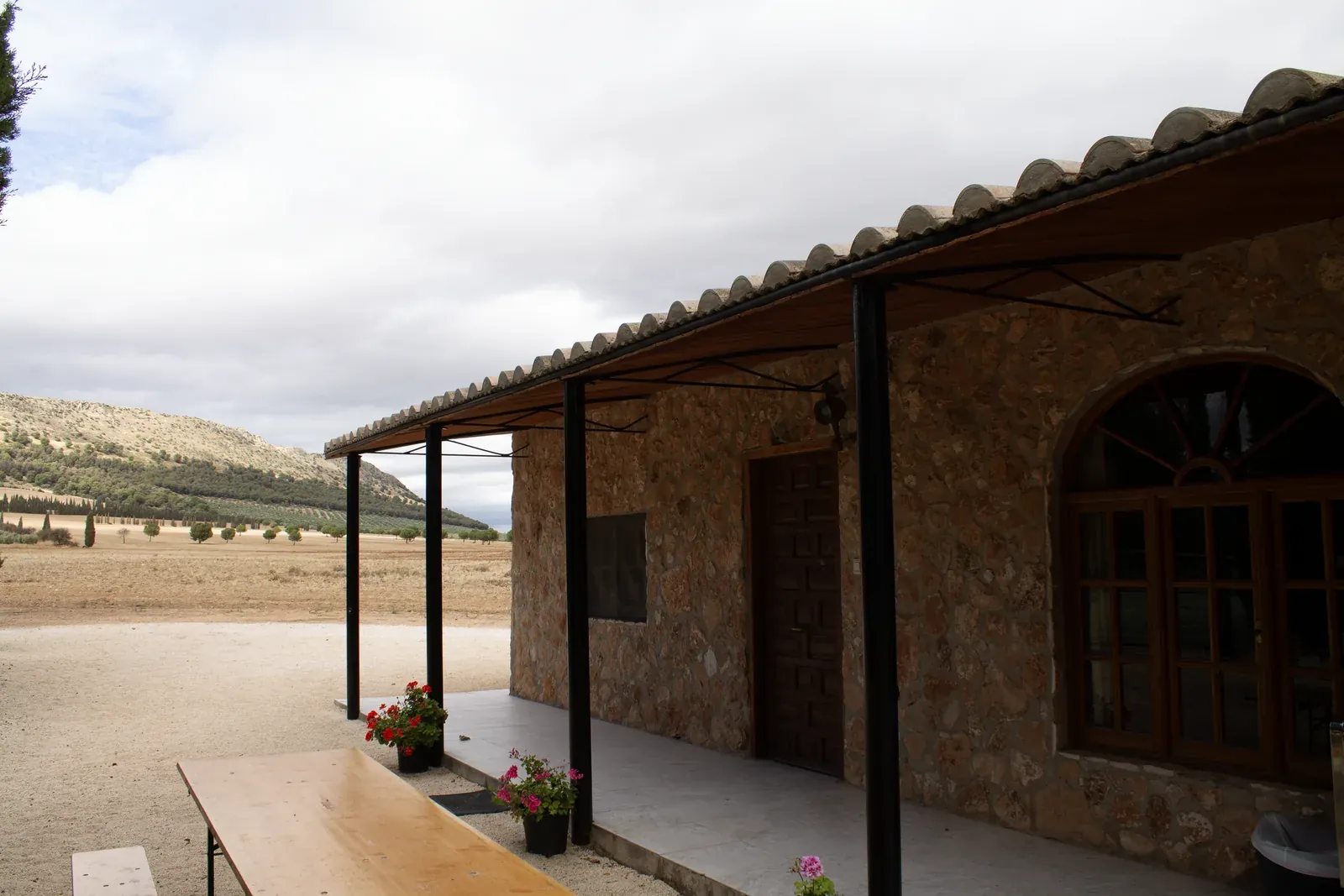
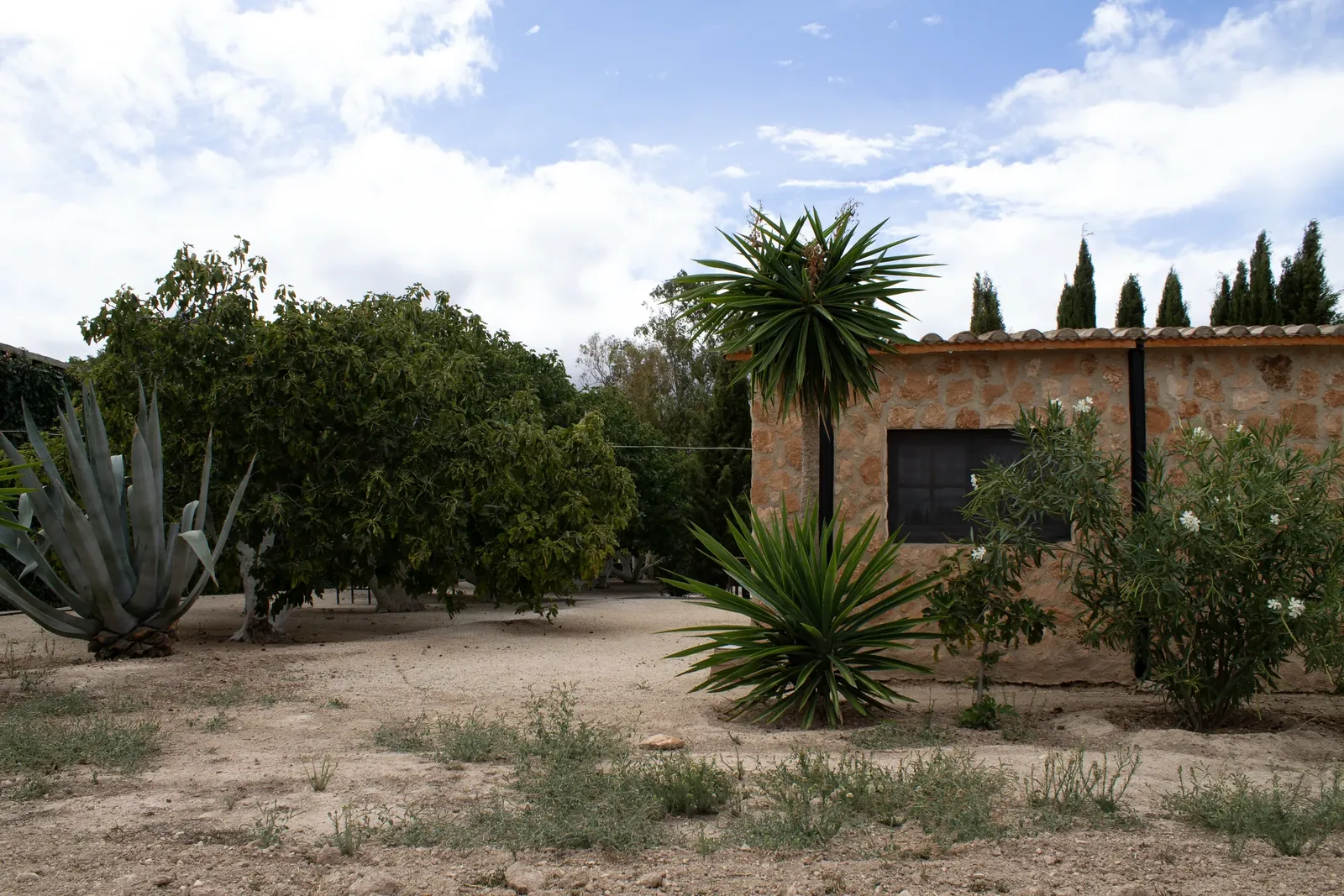
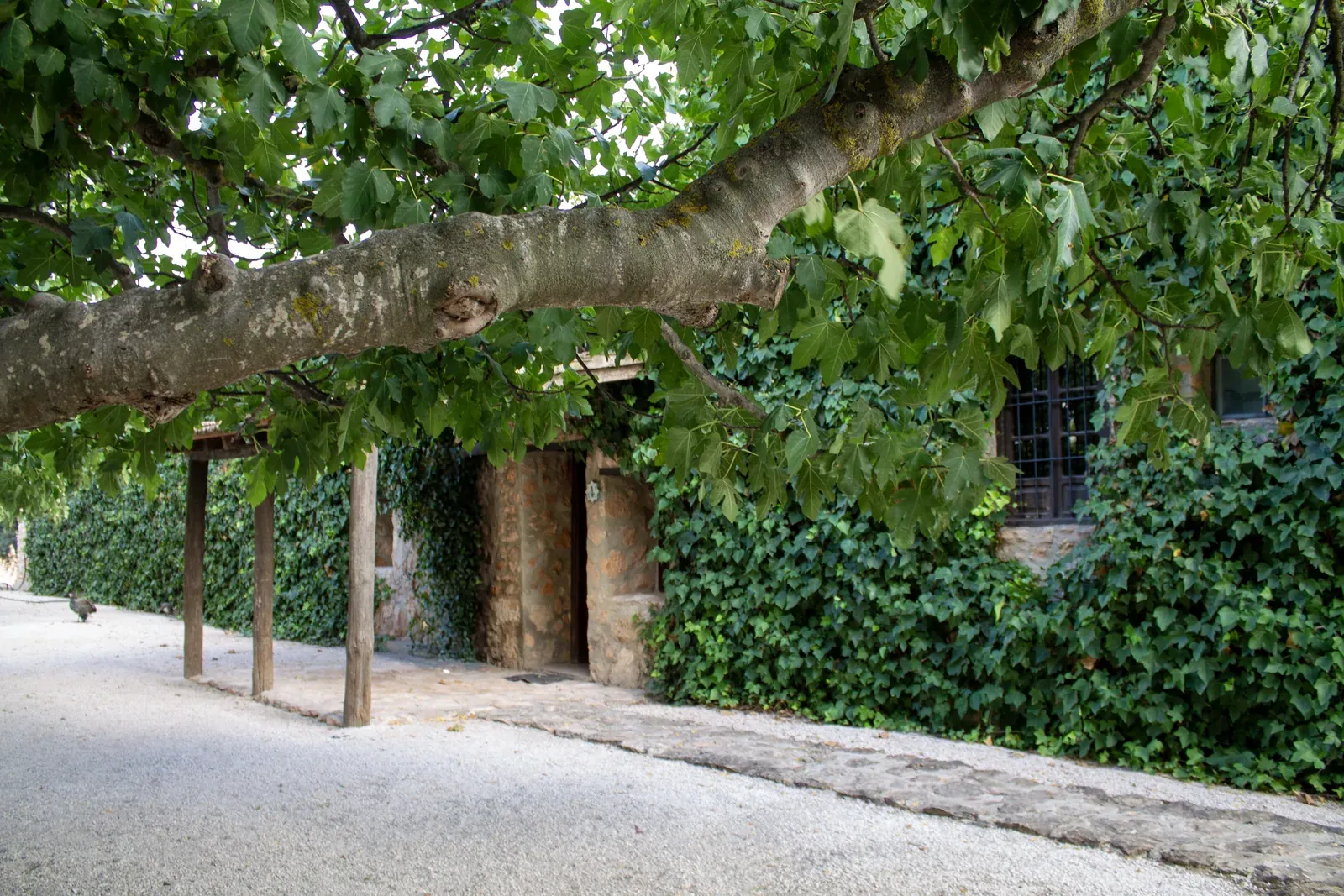
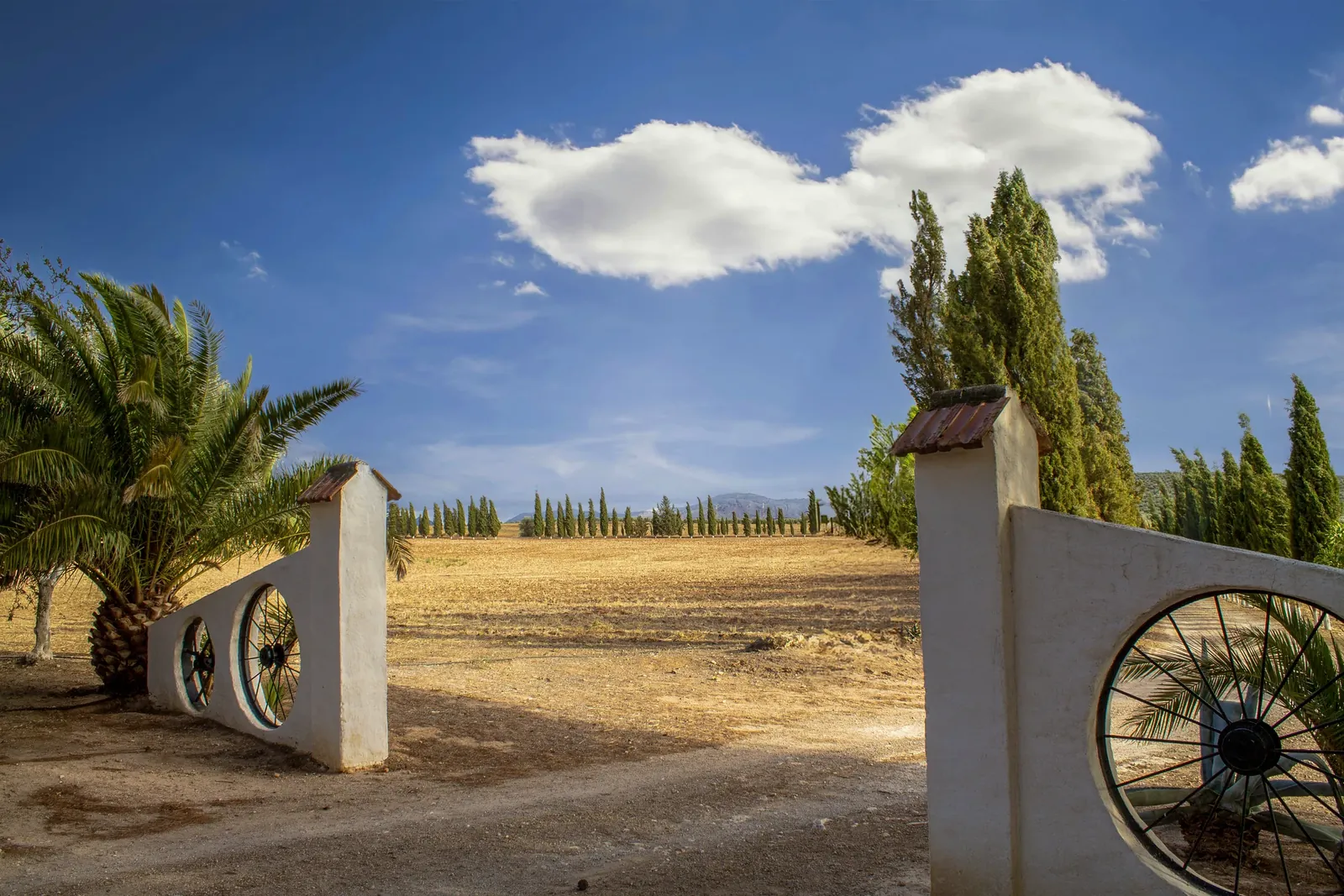
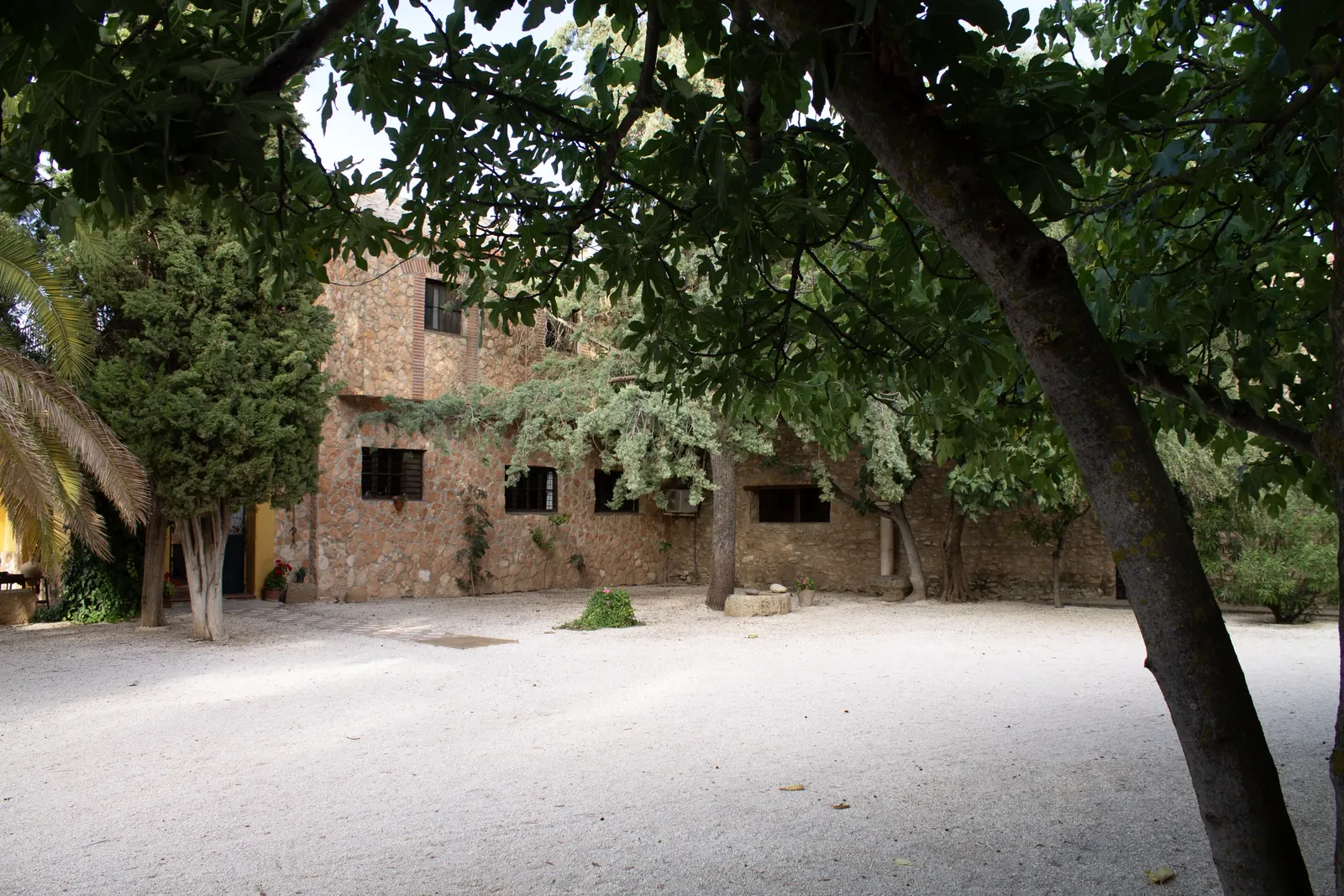
People ask for photographs before they ask about therapy, and they are right to. You are deciding whether you could live somewhere for a month. This is the place, not a stock library.


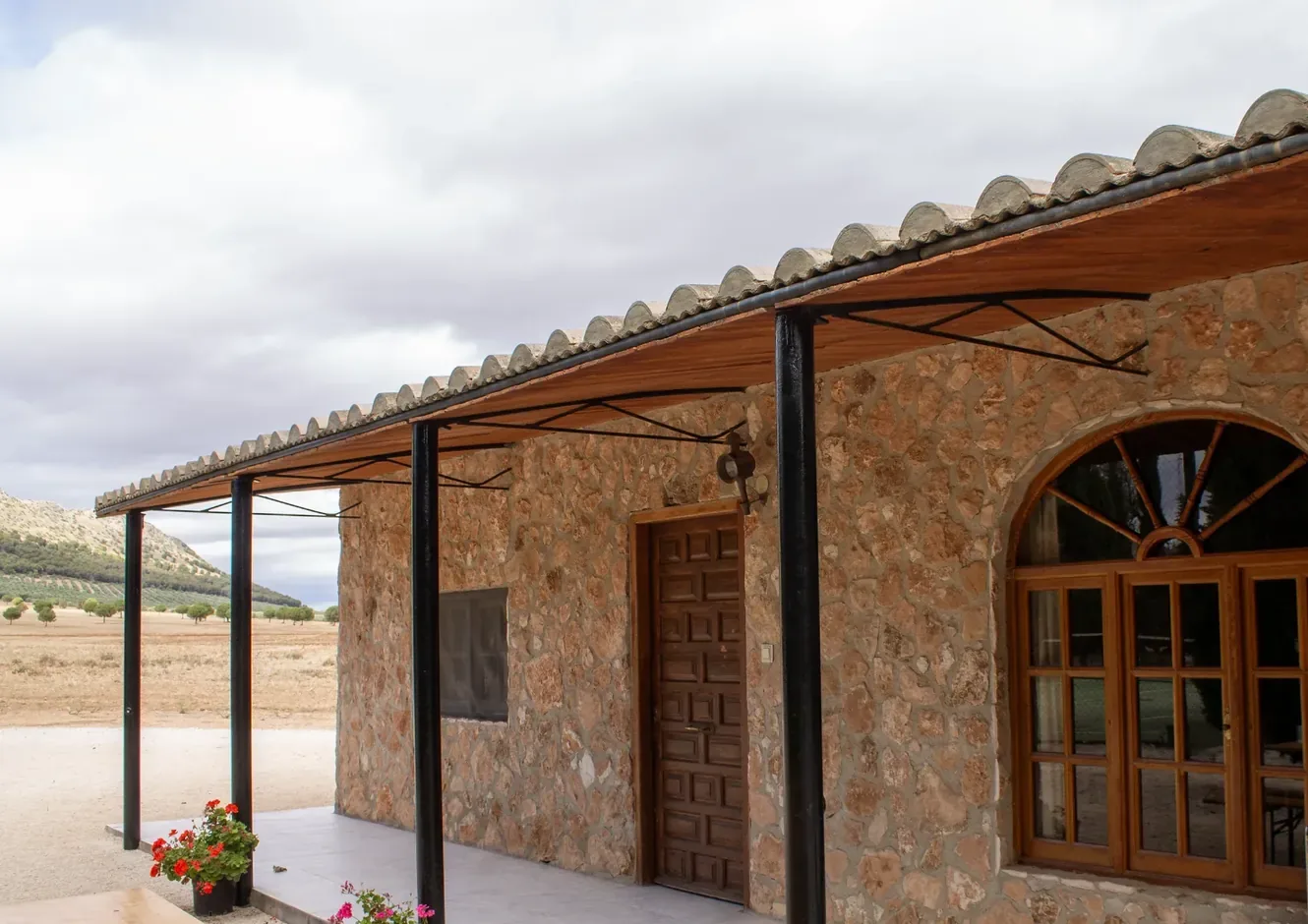


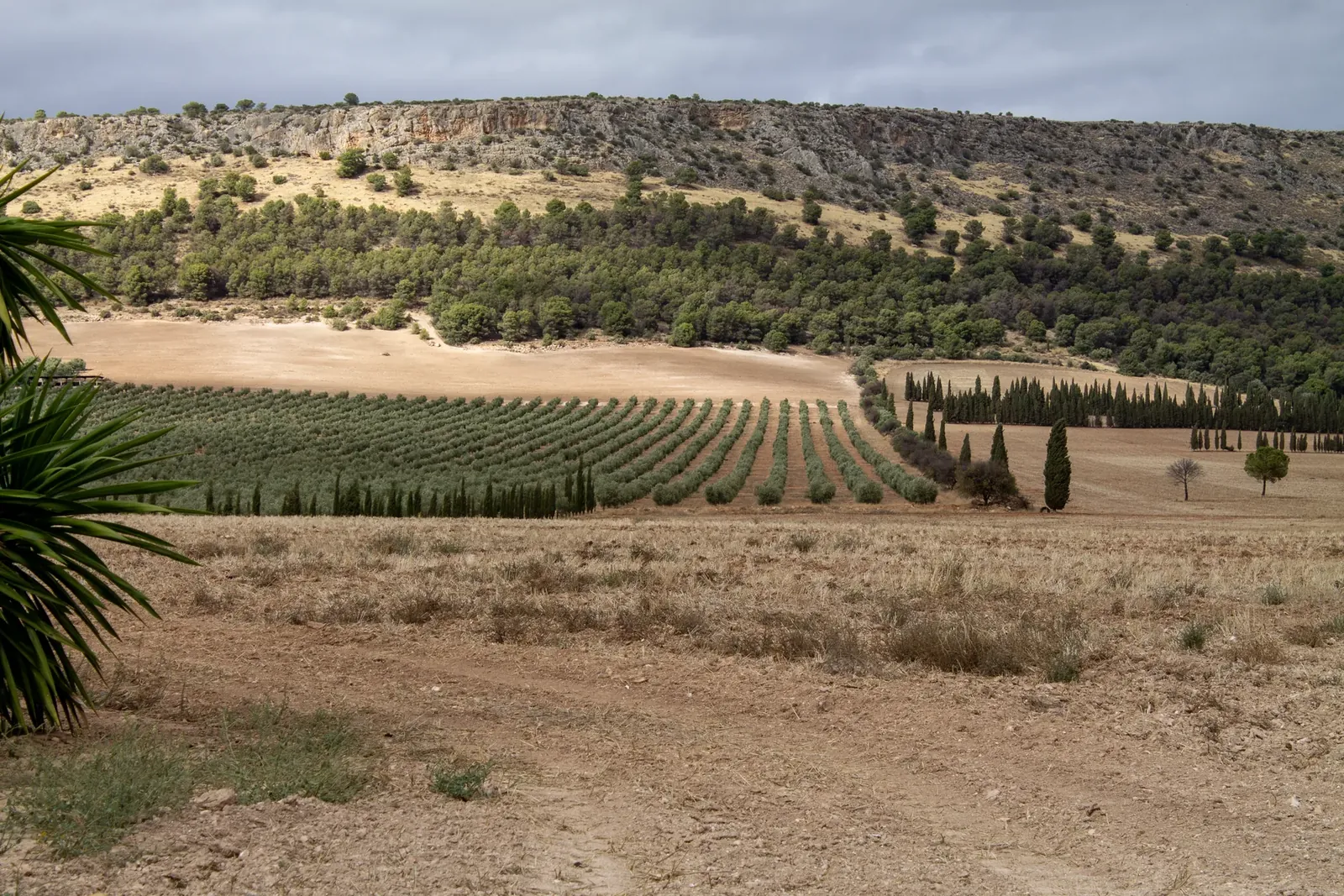
See the full gallery · how people get here.
Cocaine withdrawal, and where detox fits
Cocaine withdrawal is not usually dangerous in the way alcohol or benzodiazepine withdrawal can be. It is, however, one of the hardest to sit through, because what it takes away is the ability to feel anything much at all. Exhaustion, heavy sleep or no sleep, a flattened mood, agitation and very strong cravings are the norm in the first week. Low mood and difficulty feeling pleasure can persist for several weeks after that, which is the window in which most people return to using and conclude that they cannot stop.
They can. What they cannot do is get through that window alone, in the same house, with the same phone and the same contacts. That is what a residential month is for.
On detox we are deliberately precise, because this is where clinics abroad blur the line. Sierra Recovery is entered in the Registro Andaluz de Centros, Servicios y Establecimientos Sanitarios (the Andalusian register of health centres, services and establishments) under N.I.C.A. 67331, authorised by the Junta de Andalucía for the care unit atención sanitaria a drogodependientes (healthcare for drug dependency, authorised care unit U.71). That is a registered health centre with a supervised treatment residence. It is not a hospital and it is not a detox unit. Where your assessment shows that a medically supervised withdrawal is needed, most often because of alcohol or benzodiazepines used alongside the cocaine, it is completed in an appropriate medical setting before you arrive and billed separately from the programme fee. Qualified nursing is part of the team during your stay. You can check our registration yourself on the Junta's public register.

Not sure whether you need a detox first?
The assessment answers that before you commit to anything, and it happens before you travel. A clinician will tell you honestly if we are the wrong setting for you.
What a day here looks like
Nobody arrives knowing how twenty eight days are actually spent. This is the real timetable, Monday to Friday.
| Time | What happens |
|---|---|
| 08:00 | Breakfast, cooked by a Michelin-trained chef |
| 09:15 | Planning: the day is set out together |
| 10:30 | Process group, the harder one |
| 12:00 | Therapeutic group |
| 13:15 | Lunch |
| 14:30 | Psychoeducation, working through the curriculum |
| 16:00 | Group activity, often outdoors or with the horses |
| 18:30 | Dinner |
| 20:00 | Day closing, together |
Saturdays turn to holistic and body-based work. Sundays are a supervised excursion, because reconnecting with the world outside a clinic is part of the treatment rather than a break from it.
What the treatment actually involves
The programme runs Monday to Friday on a fixed structure, with Saturdays given to holistic and body-based work and Sundays to a supervised excursion. Rather than list therapy names, here is what each part of the week is for.
Three group sessions a day, five days a week
The day opens with a process group at 10:30, a second therapeutic group runs at midday, and a psychoeducation session follows lunch. A group activity fills the late afternoon and the day closes together in the evening. That is roughly fifteen structured group contacts a week, which is the part most people underestimate before they arrive and value most afterwards.
Groups are small, in English, and run by the clinical team. Hearing someone else describe your own thinking back to you does something that individual work cannot, and it is the fastest route out of the isolation that cocaine use builds.
A seventeen-module curriculum, not a rest cure
The psychoeducation strand moves through a fixed seventeen-module curriculum written by our clinical director. It is the core of what we call the Regulation Model, which is our adaptation of the PROMIS Clinics methodology to this centre rather than a model of our own invention. It covers skills training, communication styles, boundaries and decision-making, trigger recognition, self-esteem and self-concept, dual diagnosis, self-care and habits, emotions, crisis identification and management, suicide prevention, goals, grief, values, trauma and relapse, perfectionism, loneliness and isolation, and cross-addiction. Every module runs the same structure: check-in, theory, an experiential dynamic, shared reflection, and a commitment carried into the week.
The cognitive work uses the ABC model, the same structure that underpins cognitive behavioural approaches: the event, the belief you attach to it, and the consequence that follows. It is taught, practised, applied between sessions and reviewed, rather than talked about once.
Individual therapy alongside the group programme
One-to-one sessions run three times a week and are where the material that will not surface in a group gets worked. For most people that is the thing underneath the use rather than the use itself.
You are treated by the same small team throughout, in the same house. Nobody is handed between departments, and there is no rotation of therapists mid-stay.
Yoga, meditation and body-based work
Saturdays turn to holistic and body-based practice: yoga, meditation and mindfulness, breathwork, art, and time outdoors on the land. This is not decoration and it is not a spa timetable. Early recovery is a physiological event as much as a psychological one, and sleep, appetite and the ability to sit still are usually the first things to return.
The self-care and habits module runs alongside it, treating rest as a right rather than a reward and food as connection rather than control.
Equine therapy on working farmland
The horses live here, on the forty hectares around the house, and equine work is part of the working week. Horses respond to what you are actually feeling rather than what you say you are feeling, which is why the work reaches people who have learned to talk their way around a therapy session.
What happens when you go home
Aftercare is planned before you leave rather than mentioned on the last day. For clients returning to the UK, care continues online or in person at the PROMIS clinics in London, with a weekly session for a full year, more than 48 in the twelve months after discharge, and a written handover to your GP so nothing has to be explained from scratch. For clients elsewhere in Europe we arrange continuity online and help find local services.
Alongside that, mutual-aid groups are free, run everywhere, and are worth using whatever else you choose.
Who will actually treat your cocaine addiction
A small team, in one house, in English. You are not handed between departments and there is no rotation of therapists halfway through your stay.
Nerea Encinas Sánchez
Director · General Health Psychologist
MSc General Health Psychology. Leads clinical standards, the assessment you have before you travel, and admissions.
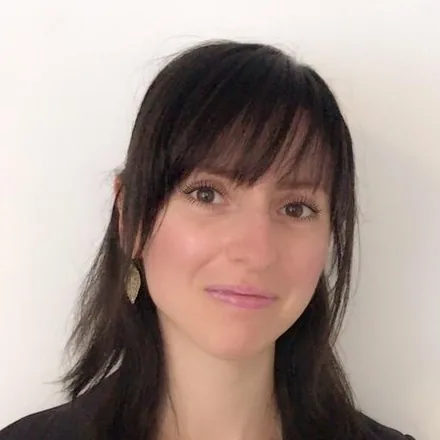
Berenice Paramés Jones
General Health Psychologist
Individual and group psychological work inside the house, crisis follow-up and coordination of the group programme.
Marta Leal
Social worker
Family mediation, links to services back home, and preparing for independent life after discharge.

Robin Lefever
Founder of Sierra Recovery; MD, PROMIS Clinics UK
Founder of Sierra Recovery and Managing Director of PROMIS Clinics, whose method this programme adapts. PROMIS has been treating addiction in the United Kingdom since the mid-1980s, and Robin has worked in addiction treatment for around 35 years, with thousands of patients treated with the PROMIS method in the United Kingdom.
Meet the whole clinical team and their qualifications.
What is treated, and what that looks like day to day
| What you arrive with | How it is worked |
|---|---|
| Cravings | The trigger-recognition module maps your own cues, the people, the places, the times of day and the states of mind, and builds a personal safety plan that is practised in group rather than described in theory. |
| The crash and the flatness | A structured day, meals cooked by a Michelin-trained chef, sleep at fixed hours and daily activity outdoors. Anhedonia lifts with time and routine, and having the routine imposed is the point of residential care. |
| Anxiety and paranoia | The emotions and crisis-management modules, alongside individual therapy three times a week. Where a mental health condition sits underneath, see dual diagnosis. |
| Trauma | The trauma and relapse module addresses how unprocessed trauma drives use, run alongside the addiction work rather than after it. See trauma and addiction. |
| Alcohol used alongside | Assessed before admission, because it is the part most likely to require a medically supervised withdrawal first. See alcohol addiction treatment. |
| Shame and secrecy | Small groups in one house, the self-esteem and loneliness modules, and a weekly aftercare group that continues after discharge. |
What drives it, when you look underneath
There is no single cause, and the question that matters clinically is not why cocaine but why this, why now, and what it was doing for you. Four patterns come up repeatedly in assessment.
| Pattern | What it looks like in practice |
|---|---|
| Family history | Addiction in a parent or sibling raises risk, partly through inherited biology and partly through what was modelled as a normal way to cope. |
| Trauma | A large share of people in treatment describe adverse experiences in childhood. Stimulants are effective at holding those feelings at a distance, which is precisely the problem. |
| Early exposure | Use that begins while the brain is still developing tends to establish patterns that are harder to unlearn later. |
| Stress and regulation | Cocaine is often the fastest way someone has found to move from one internal state to another. Until there is a different way, the drug keeps its job. |
These are risk factors, not verdicts. Plenty of people carry all four and never develop a problem, and plenty carry none and do.
Treatment options for cocaine addiction, and how they compare
Residential rehab is one treatment option among several, and it is not automatically the right one. Being straight about that is more useful to you than a page that pretends otherwise.
| Option | What it involves, and who it suits |
|---|---|
| Medical detox | Rarely needed for cocaine alone. It is arranged where alcohol or benzodiazepines are used alongside, in an appropriate medical setting before admission and billed separately. |
| Residential rehab inpatient treatment | Living at the centre for the whole programme. It suits people whose cocaine use has resisted attempts to stop at home, where the supply and the social circle are the problem, or where there is depression or trauma underneath it. |
| Outpatient treatment day programmes and therapy sessions | Attending sessions and going home between them. Works where use is less established, home is stable and free of triggers, and there is real support around you. |
| Community and NHS services | Free local drug and alcohol treatment services, reached through your GP or by self-referral. Waiting times vary and residential placements are rationed, but the support is real and it costs nothing. For many people this is the right first step rather than a lesser one. |
| Mutual aid and support groups | Free peer support meeting in person and online, everywhere, with no waiting list and no cost. Worth using alongside whatever else you choose rather than instead of it. |
A treatment plan should be built around your circumstances. If an outpatient or community route fits you better, we will say so at assessment and we will not charge you for the conversation.
The therapies used, in plain terms
Every centre lists the same acronyms, so here is what each one actually is and where it appears in the week.
| Therapy | What it is, and when you would meet it here |
|---|---|
| Cognitive behavioural therapy CBT, and the related REBT | Evidence-based work on the link between an event, the belief you attach to it and what you then do. Taught through the ABC model in psychoeducation, practised in group therapy and applied between sessions. It is the backbone of the cognitive work rather than an optional extra. |
| Acceptance and commitment therapy ACT | Learning to have a difficult feeling without having to act on it, and choosing behaviour by your values instead. Module eight, on emotions, is built on it. |
| Dialectical behaviour therapy DBT | Distress tolerance, emotional regulation and interpersonal skills, used where emotions arrive faster and larger than they can be managed. See DBT. |
| EMDR | A structured trauma therapy, used where trauma is driving the use and always after stabilisation rather than before it. See EMDR. |
| Group therapy | Three group sessions a day, five days a week: a process group, a therapeutic group and psychoeducation. It is the largest single component of the treatment programme. See group therapy. |
| Individual therapy one-to-one counselling | Three therapy sessions a week with the same clinician throughout, where material that will not surface in a group gets worked. |
| Family therapy | Offered where it is wanted, in person or online, because the people around you are part of what happens next. See the family programme. |
| Motivational interviewing | Used throughout rather than booked as a session. It is the stance the team takes: working with your reasons for change rather than arguing you into someone else’s. |
| Holistic therapies | Yoga, mindfulness and meditation, breathwork, art and equine work, on Saturdays and through the week. See equine therapy and all our therapies. |
Every element above is delivered by the clinical team as part of the residential programme. Your treatment plan sets out which of them apply to you, and it is reviewed during the stay rather than fixed on day one.
Where else to get help, free
Not everyone needs residential rehab, and nobody should be waiting on a private programme before they get any support at all. Everything below is free, and none of these organisations pays or receives a fee from us.
| Organisation | What they do |
|---|---|
| NHS drug and alcohol services | Free local treatment services, reached through your GP or by self-referral. The usual starting point for community-based drug and alcohol treatment. |
| Talk to FRANK | Confidential drugs information and advice, 24 hours a day, on 0300 123 6600. No judgement and no cost. |
| Cocaine Anonymous | Free peer support groups for cocaine and crack, in person and online, with a national helpline on 0800 612 0225. |
| Narcotics Anonymous | Free mutual aid meetings for anyone with a drug problem, in person and online, with no cost and no waiting list. |
| We Are With You | Free, confidential support for drug, alcohol and mental health problems, in person in many areas and by webchat. |
| Adfam | Support and information for families and friends affected by someone else’s drug, alcohol or gambling use. |
Sierra Recovery neither pays nor accepts referral fees, so nothing on this list depends on where you go. If a free or community service is the right fit for you, use it.
How to get ready
- Compare on licence, not on photographsAsk any centre abroad for its registration number and the register it sits on, then look it up yourself. Ours is N.I.C.A. 67331 on the Junta de Andalucía register.
- Get the medical picture togetherCurrent medications, any previous withdrawal, and any diagnosed conditions. This is what the pre-travel assessment needs, and it is what decides whether a detox is required first.
- Ask what the price actually includesOurs is published: private room, meals, the core therapy programme, and a year of weekly UK aftercare, with medical, psychiatric, laboratory and hospital costs quoted separately. You get an itemised written quotation before admission.
- Be honest about everything you useEspecially alcohol, benzodiazepines and prescribed medication. This is not a moral inventory, it is what decides whether a medically supervised detox is needed before you fly.
- Decide what you want to be differentNot "stop using", which is the outcome, but what you want back. People who arrive with that answer do measurably better in the groups.
How Sierra compares with private cocaine rehab at home
| What you get | Sierra Recovery | Typical private residential clinic |
|---|---|---|
| 28-day residential programme | £9,900, published in full | UK £12,000–£40,000 · Australia A$30,000–A$50,000 |
| Is the price on the website | Yes, in full | Usually "contact us for pricing" |
| Your own private room | Included as standard | Often an upgrade |
| Referral fees paid to third parties | None | Common |
| Written itemised quotation before admission | Yes | Varies |
| Distance from the people and places tied to use | Rural Andalucía | Usually close to home |
| Medically supervised detox | Arranged and quoted separately | Quoted separately |
Comparison figures are the published ranges collected on our cost calculator: the United Kingdom at roughly £12,000 to £40,000 a month, Australia at roughly A$30,000 to A$50,000, and the United States at roughly $20,000 to $40,000 for a 30-day programme. New Zealand, South African and Canadian ranges are set out on the country cost guides. Indicative, not a quotation. Every clinic sets its own fees.
When cocaine sits on top of something else
Cocaine very often sits on top of depression, anxiety, ADHD or trauma, and treating the using while sending the rest elsewhere rarely holds. At Sierra the emotional and trauma work runs alongside the addiction curriculum rather than after it. If your use is bound up with a mental health condition, our dual diagnosis and trauma and addiction pages explain how the two are worked with together. Where psychiatric care or medication is part of your treatment, it is arranged through the appropriate medical route, and we will be honest with you before admission if a more intensive setting is the safer choice.
When is it time?
There is no threshold you have to cross to deserve help, and waiting for one is how years pass. Cocaine problems are unusual in how long they stay hidden, because for a long time the work still gets done and the bills still get paid. If the using has stopped being a choice, that is enough. The earlier the conversation happens, the more of your life is still intact when you start.
Talk to a clinician today
You will speak to our admissions team, all of them clinicians. Confidential, no obligation, and we will tell you honestly whether this programme fits or whether something closer to home would serve you better.
Questions people actually ask
Do I need a detox before I come for cocaine addiction treatment?
Usually not for cocaine on its own. Cocaine withdrawal is deeply unpleasant but it is not normally medically dangerous. The reason we assess everyone before they travel is that cocaine is very often used alongside alcohol or benzodiazepines, and withdrawal from those can be dangerous. If the assessment shows a medically supervised detox is needed, it is completed in an appropriate medical setting before admission and billed separately.
How long does cocaine withdrawal last?
The acute phase is usually the first week: exhaustion, disturbed sleep, agitation, a flat mood and strong cravings. Low mood and difficulty feeling pleasure can continue for several weeks afterwards. That later window is when most people relapse, which is the main argument for spending it somewhere structured rather than at home.
Is crack treated differently from powder cocaine?
The programme is the same, because the underlying work is the same. What differs is the pattern: crack reaches the brain faster and fades faster, so use tends to escalate more quickly and the gaps between episodes get shorter. That usually means the practical planning around triggers, contacts and money needs to be more detailed.
How long is the programme and what does it cost?
It is a 28-day residential programme, published in full at GBP 9,900. That covers a private room, meals, the core therapy programme, and a year of weekly UK aftercare. Hospital detox, if you need it, is arranged and billed separately, as are medical, psychiatric and laboratory costs. You get an itemised written quotation before admission.
I have stopped before and always gone back. Will this be different?
Relapse after stopping is common and it is not a sign that you have failed. It usually means the reason for the using was never addressed. The programme works on the internal state the cocaine was regulating and builds other ways to manage it, alongside a practical relapse-prevention plan, so that stopping has something to stand on.
Will anyone know I have been in treatment?
Only who you choose to tell. Treatment is confidential, the centre is a private house in rural Andalucia rather than a clinic on a high street, and your employer has no route to the information. If you want help thinking through what to say at work, that is part of the discharge planning.
How do I get help for cocaine addiction?
The first step towards recovery is an assessment, and ours is free and carries no obligation. You can also seek help through your GP, through a free local drug and alcohol treatment service, or through a mutual aid group, and none of those routes costs anything. If you want to talk it through with a clinician, call +44 1202 653136 and you will reach our admissions team. Cocaine Anonymous also runs free groups across the UK with a helpline on 0800 612 0225.
What does cocaine addiction treatment involve, from start to finish?
The course of treatment runs in four stages. An assessment before you travel, which decides whether a medically supervised detox is needed first. Any detox, completed in an appropriate medical setting and billed separately. Then the 28-day residential treatment programme itself: three group therapy sessions a day, individual therapy three times a week and the seventeen-module curriculum. Then aftercare, agreed before you leave and continuing online or in person in London.
How much does cocaine rehab cost, and what affects the price?
Sierra publishes a single figure: GBP 9,900 for the 28-day residential programme, with a private room included. What changes the total is whether you need a medically supervised detox, which is arranged and billed separately, and any medical, psychiatric or laboratory costs. Private residential rehab elsewhere commonly runs from around GBP 12,000 to GBP 40,000 a month in the United Kingdom and from roughly A$30,000 to A$50,000 in Australia. You get an itemised written quotation before admission, and we neither pay nor accept referral fees.
What are the signs and symptoms of cocaine addiction?
The symptoms of cocaine addiction fall into three groups. Physical: sleeplessness, appetite loss, nosebleeds where it is snorted, and a racing heart. Psychological: anxiety, paranoia, irritability and a flat mood between uses. Behavioural: using alone, chasing the next one, and money that no longer adds up. Cocaine withdrawal symptoms appear when you stop and include exhaustion, disturbed sleep, agitation and strong cravings.
Is lasting recovery from cocaine addiction actually possible?
Yes, and the evidence is better than the public conversation suggests. What predicts long-term recovery is not willpower but what is in place afterwards: continuing therapy, a treated mental health condition, a support network and a relapse plan that was written before it was needed. That is why completing cocaine rehab matters less on its own than what follows it, and why aftercare is planned during the stay, so it is in place before you leave.
How can I help someone with cocaine addiction?
Start by getting support for yourself, because living alongside someone with an addiction is its own burden and Adfam and Al-Anon exist for exactly that. Beyond that: raise it when they are not intoxicated, be specific about what you have seen rather than general about what they are, and offer a concrete next step such as an assessment or a call to a free service. Ultimatums delivered in anger rarely work. We speak to families every day and that conversation costs nothing. Cocaine is often hidden for years because work still gets done, so noticing at all is usually a sign it has gone further than it looks.
 +
+
Talk to a clinician today
You will speak to our admissions team, English-speaking clinicians who know the programme and the people in it. Callback within 24 hours.
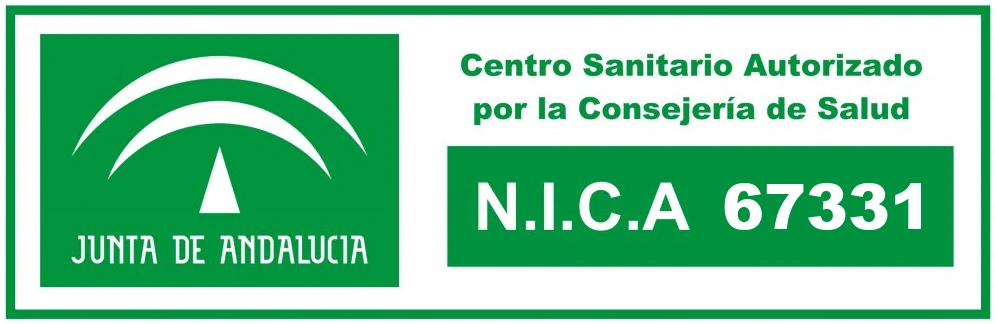
Registered health centre. Authorised by the Junta de Andalucía, N.I.C.A. 67331.