Home / Behavioural addictions / Sex and pornography addiction treatment
Behavioural addictions
Sex and pornography addiction treatment
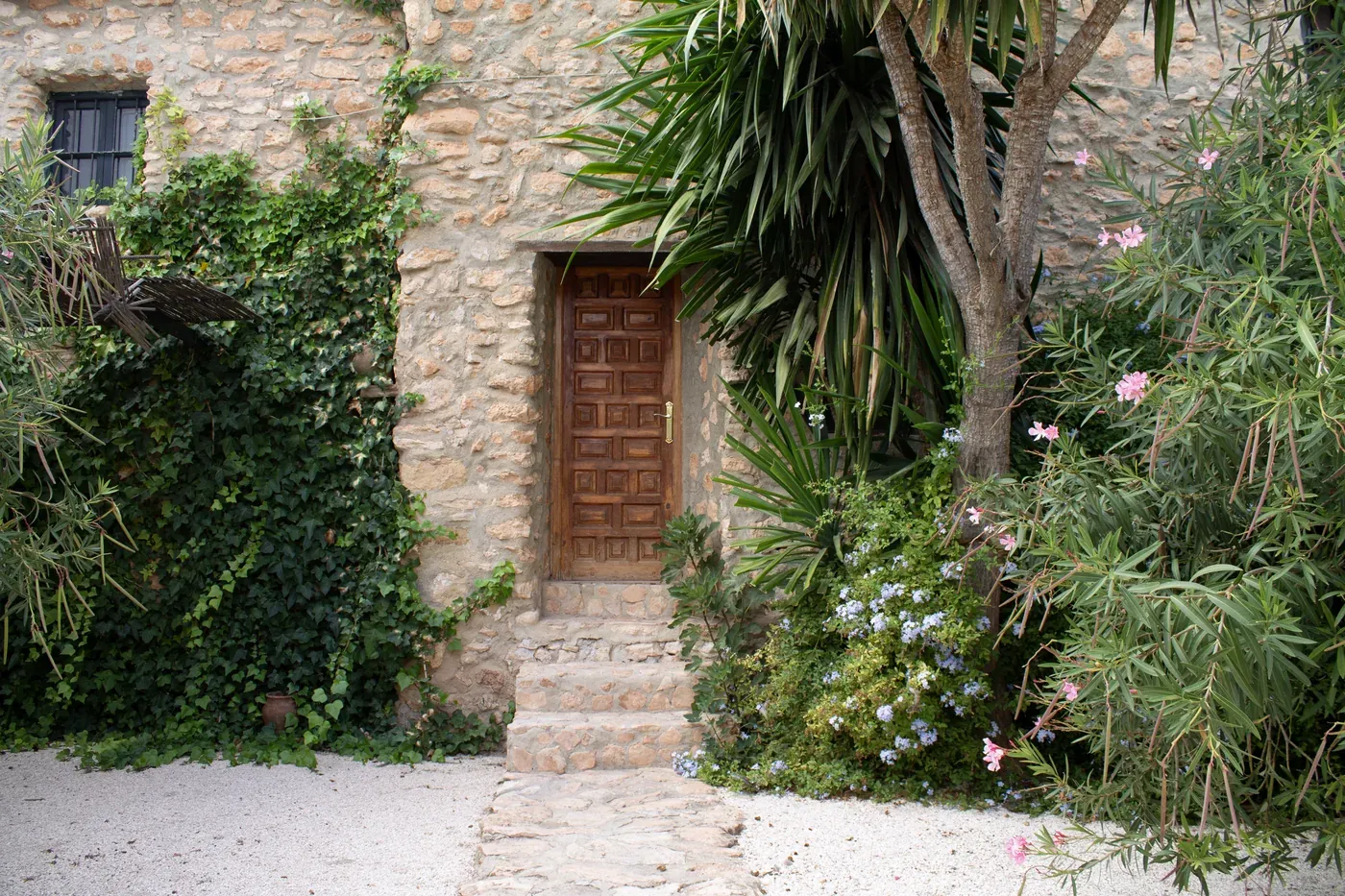
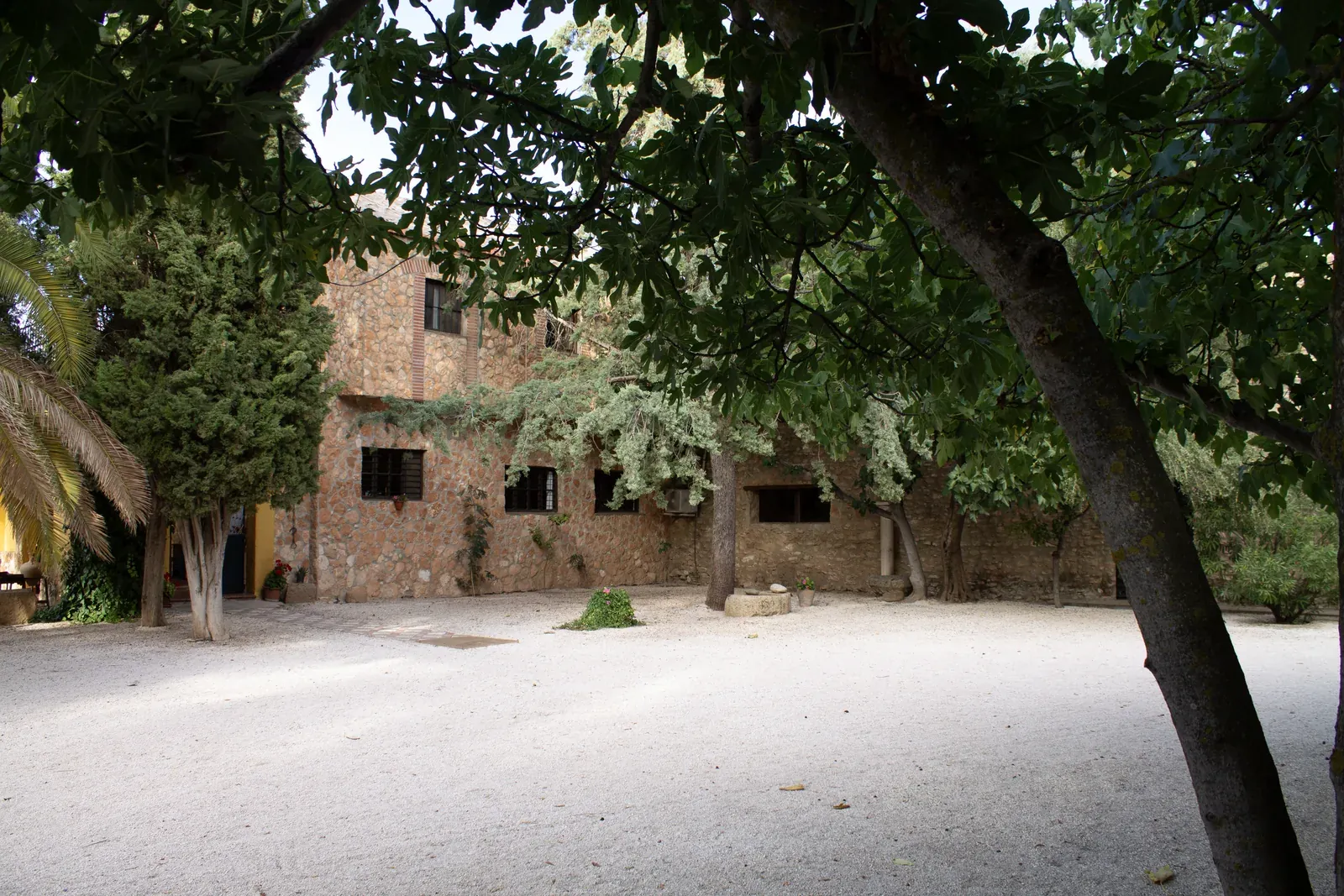
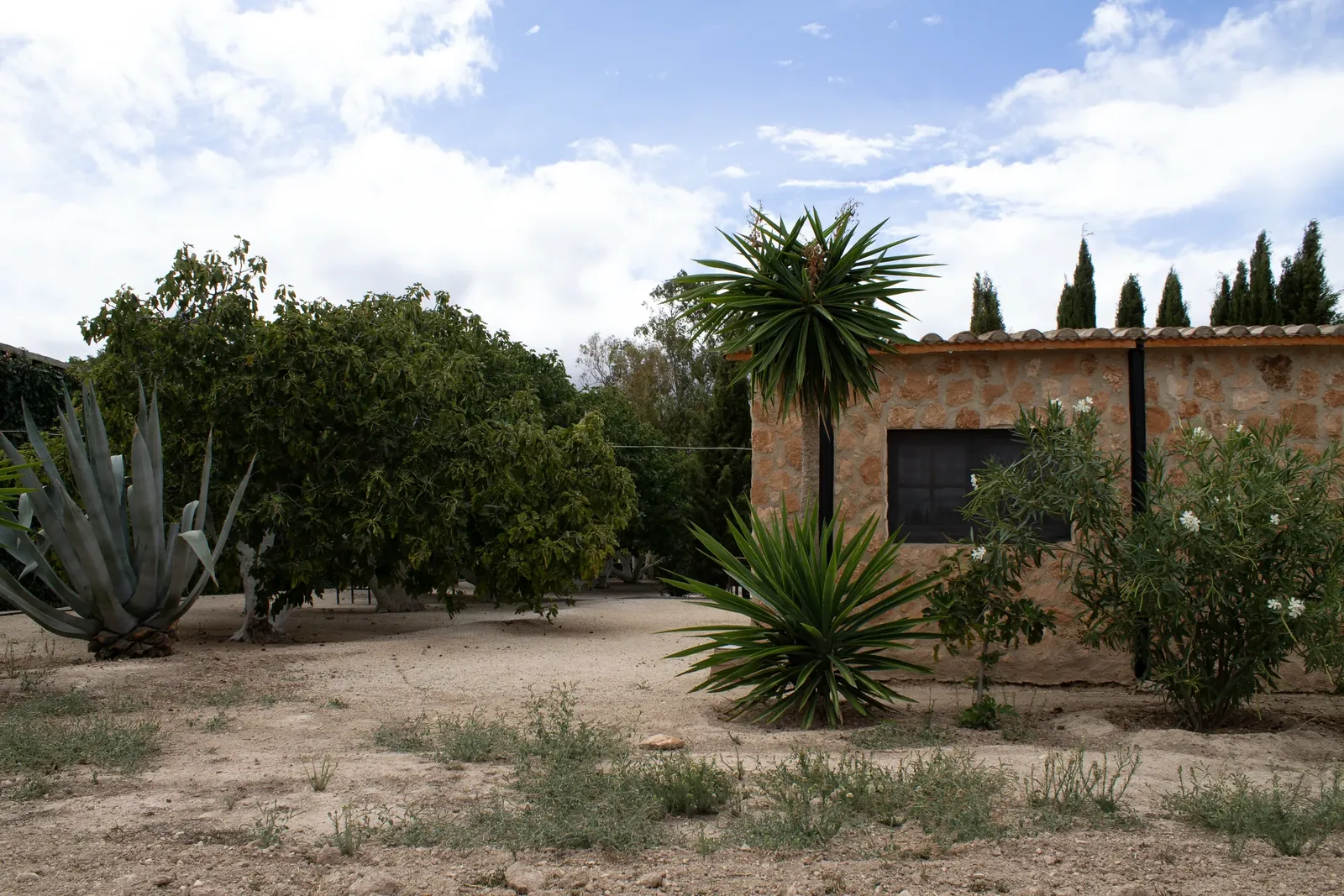
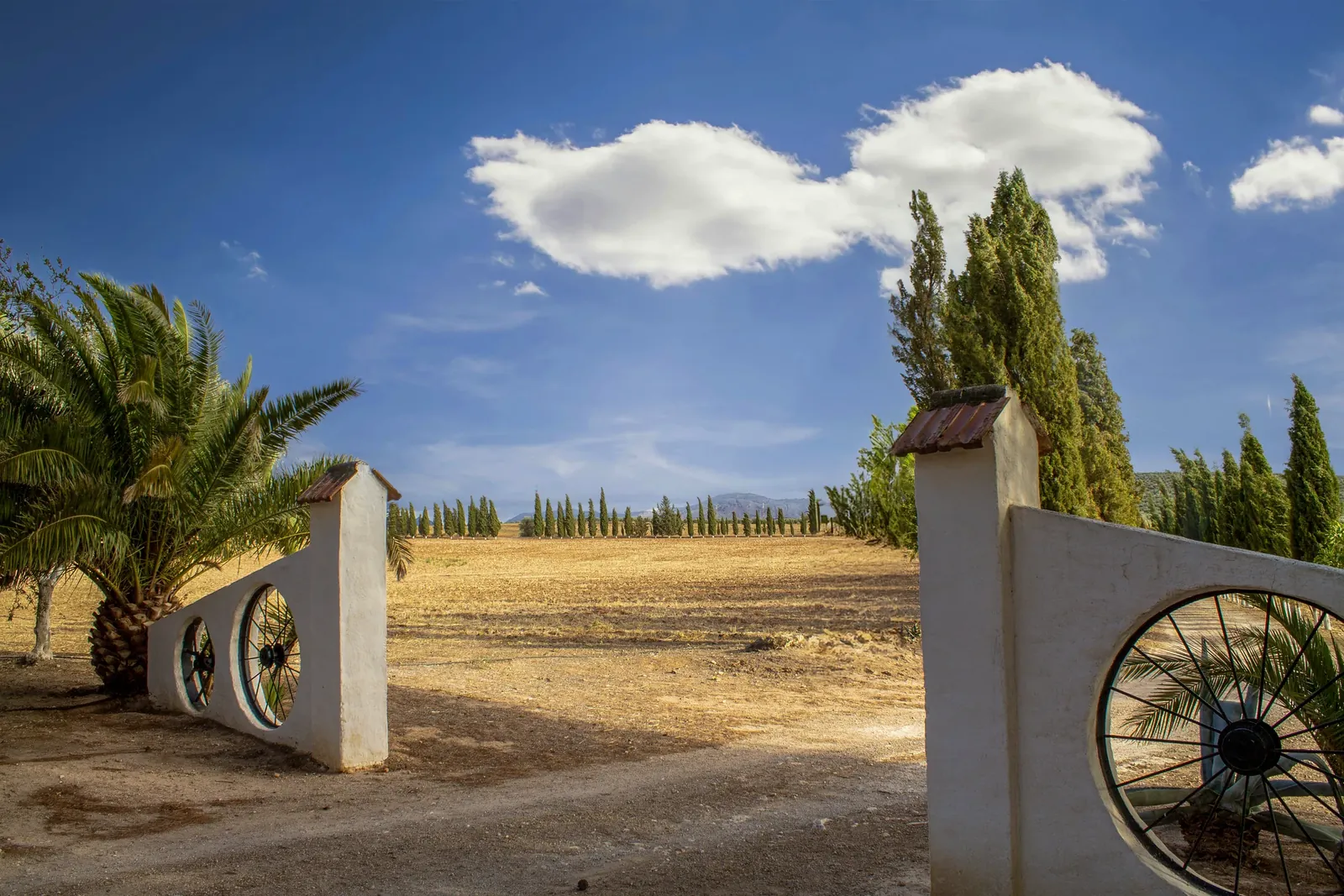
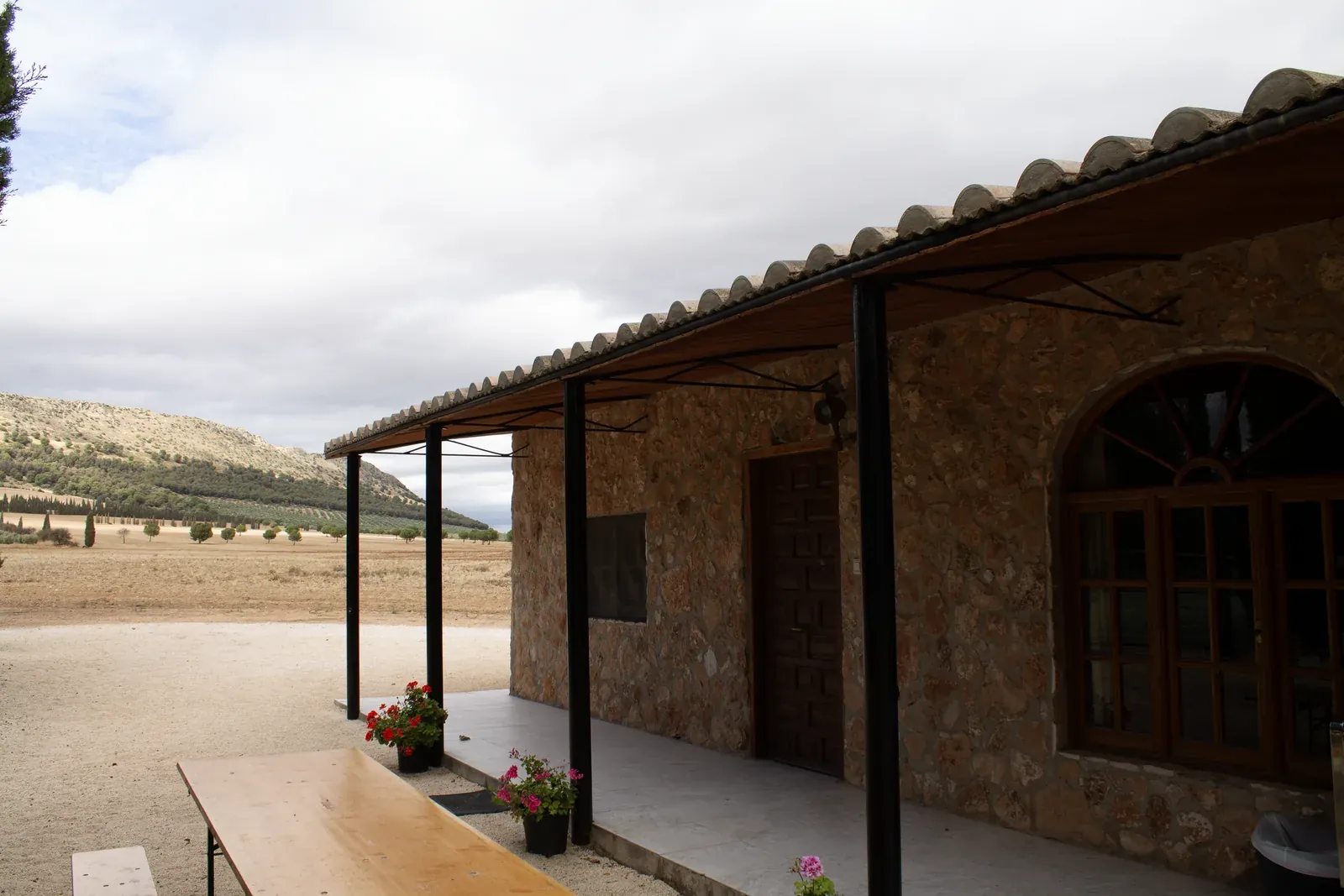
Residential treatment for compulsive sexual behaviour, including compulsive pornography use, at a licensed centre in the Málaga countryside. Small groups, an English-speaking clinical team, and a price published in full.
Checked for accuracy on 29 July 2026. Next review due July 2027. This page is general information about our programme and is not a substitute for advice about your own situation.
Compulsive sexual behaviour, including compulsive pornography use, is treated at Sierra Recovery as a 28-day residential programme, published at £9,900. It is recognised in ICD-11 as Compulsive Sexual Behaviour Disorder: a persistent failure to control intense sexual impulses that continues despite consequences and despite little or no pleasure. Pornography is the most common vehicle for it rather than a separate condition, which is why it is treated on this page and not on another. The defining clinical feature is that the behaviour is being used to regulate a state, not pursued for enjoyment, and the largest obstacle to treatment is almost always shame rather than motivation.
Programme
28 days residential
Published price
£9,900
Group work
3 sessions a day
Room
Private, as standard
Language
English throughout
Registration
N.I.C.A. 67331
What it looks like clinically
The threshold is not frequency. It is control, and consequence.
- The behaviour regulates a mood rather than expressing desire. It reliably follows stress, loneliness, boredom, conflict or humiliation, and it works, briefly.
- Escalation. More time, more extreme material, or more risk is needed for the same effect, which is the same tolerance curve seen with a substance.
- Repeated failed attempts to stop. Deleting accounts, installing blockers, promising a partner. The promise is sincere every time.
- Concealment. A second phone, a second browser, an entire parallel accounting of your own time. The management of the secret often costs more than the behaviour.
- Continuation despite consequence. A relationship, a job, money, sometimes legal risk.
- Diminishing pleasure. By the time most people ask for help, the behaviour has stopped being enjoyable and has become something they do anyway.
Pornography specifically
Compulsive pornography use is the most common presentation and the one people are least able to say out loud. A few things worth stating plainly, because the internet is full of the opposite.
- The clinical question is not how often. It is whether you can stop when you decide to, and what it is costing you. Plenty of people use pornography without a disorder.
- Escalation of content is not a moral fact about you. It is a tolerance effect, and it is the most reliable sign that the behaviour has become compulsive rather than chosen.
- Blockers and abstinence challenges treat the delivery, not the driver. They are why people relapse the moment life gets hard. The work is on what the behaviour is being used to manage.
- Shame is the mechanism, not a side effect. Shame drives concealment, concealment drives isolation, and isolation is what the behaviour then medicates. Group work breaks that loop faster than anything else we do, which is why residential treatment tends to work when solo attempts have not.
What usually sits underneath
Very little of this is about sex. In the assessments we do, the recurring picture is trauma, often sexual or developmental, shame carried a long time, social anxiety, depression, or a relationship in which intimacy has become impossible. Where trauma is genuinely present, EMDR is available and delivered by someone trained in it, not offered as a universal add-on.
Cross-addiction is common in both directions: people arrive with alcohol or cocaine as the presenting problem and this underneath it, or arrive here having stopped a substance and found this waiting.
Partners and families
Discovery is its own injury and it deserves its own help. Our family programme exists for that, and we will say plainly that a partner is not a treatment plan and should not be asked to be one. Where the relationship is in question, that question is worked on with both people acknowledged rather than around one of them.
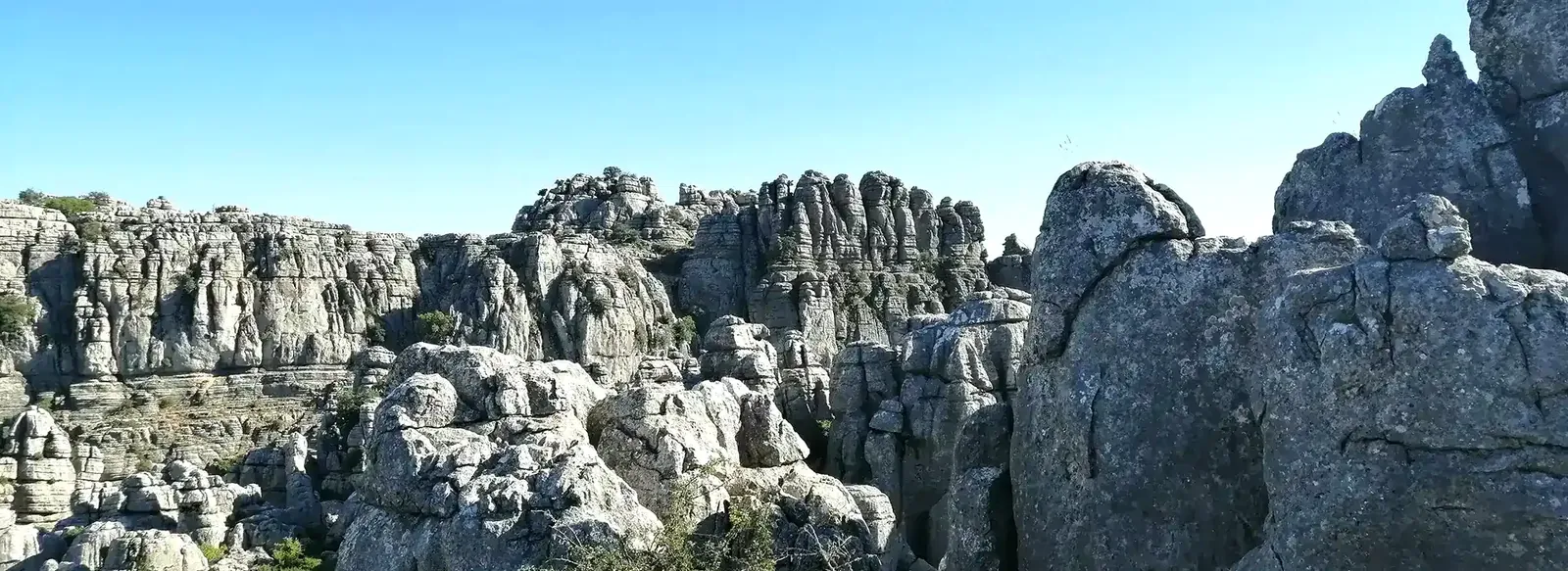
Not sure whether residential treatment is proportionate?
Nerea, our director and a registered psychologist, will tell you honestly, including when the answer is that something closer to home would serve you better. No obligation, and no referral fee is paid to anyone for sending you here.
What a day here looks like
| Time | What happens |
|---|---|
| 08:00 | Breakfast, cooked by our Michelin-trained chef |
| 09:15 | Planning: the day is set out together |
| 10:30 | Process group, the harder one |
| 12:00 | Therapeutic group |
| 13:15 | Lunch |
| 14:30 | Psychoeducation, working through the curriculum |
| 16:00 | Group activity, often outdoors or with the horses |
| 18:30 | Dinner |
| 20:00 | Day closing, together |
Saturdays turn to holistic and body-based work. Sundays are a supervised excursion, because reconnecting with the world outside a clinic is part of the treatment rather than a break from it.
What the treatment actually involves
The programme is the same one everyone here follows, because the machinery underneath a behavioural addiction is the machinery underneath a substance addiction. What changes is the content of the work, not the structure of the week.
- Three structured therapy groups a day, five days a week. Group is where a behaviour that has been private for years stops being private, in a room where nobody is shocked.
- Individual therapy three times a week. Enough to do trauma work properly where trauma is part of it, which it often is.
- A seventeen-module psychoeducation curriculum. Module seventeen is cross-addiction, which matters more here than anywhere: behavioural addictions very commonly surface during recovery from a substance, because the need for regulation has not gone anywhere.
- Equine and holistic work. Useful for people who have spent years in their own head and need a way back into their body.
- Aftercare agreed before you leave, with a written handover to your GP with your consent.
What we are, and what we are not
Sierra Recovery is a registered health centre authorised by the Junta de Andalucía under N.I.C.A. 67331. It is not a hospital and not a detox unit. That rarely matters for a behavioural addiction on its own, but it matters a great deal if alcohol or a drug is also in the picture: where a medically supervised withdrawal is clinically needed it is completed in an appropriate medical setting before admission and billed separately.
We do not admit anyone who is acutely suicidal, acutely psychotic or in psychiatric crisis, anyone needing hospital-level monitoring, or anyone whose primary condition is a severe eating disorder. If that is the situation, we will say so on the first call and point you somewhere that can help.
The therapies you will actually receive
Three group sessions a day, five days a week
The day opens with a process group at 10:30, a second therapeutic group runs at midday, and a psychoeducation session follows lunch. A group activity fills the late afternoon and the day closes together in the evening. That is roughly fifteen structured group contacts a week, which is the part most people underestimate before they arrive and value most afterwards.
Groups are small, in English, and run by the clinical team. Hearing someone else describe your own thinking back to you does something that individual work cannot, and it is the fastest route out of the isolation that the behaviour builds.
A seventeen-module curriculum, not a rest cure
The psychoeducation strand moves through a fixed seventeen-module curriculum written by our clinical director. It is the core of what we call the Regulation Model, which is our adaptation of the PROMIS Clinics methodology to this centre rather than a model of our own invention. It covers skills training, communication styles, boundaries and decision-making, trigger recognition, self-esteem and self-concept, dual diagnosis, self-care and habits, emotions, crisis identification and management, suicide prevention, goals, grief, values, trauma and relapse, perfectionism, loneliness and isolation, and cross-addiction. Every module runs the same structure: check-in, theory, an experiential dynamic, shared reflection, and a commitment carried into the week.
The cognitive work uses the ABC model, the same structure that underpins cognitive behavioural approaches: the event, the belief you attach to it, and the consequence that follows. It is taught, practised, applied between sessions and reviewed, rather than talked about once.
Individual therapy alongside the group programme
One-to-one sessions run three times a week and are where the material that will not surface in a group gets worked. For most people that is the thing underneath the use rather than the use itself.
You are treated by the same small team throughout, in the same house. Nobody is handed between departments, and there is no rotation of therapists mid-stay.
Yoga, meditation and body-based work
Saturdays turn to holistic and body-based practice: yoga, meditation and mindfulness, breathwork, art, and time outdoors on the land. This is not decoration and it is not a spa timetable. Early recovery is a physiological event as much as a psychological one, and sleep, appetite and the ability to sit still are usually the first things to return.
The self-care and habits module runs alongside it, treating rest as a right rather than a reward and food as connection rather than control.
Equine therapy on working farmland
The horses live here, on the forty hectares around the house, and equine work is part of the working week. Horses respond to what you are actually feeling rather than what you say you are feeling, which is why the work reaches people who have learned to talk their way around a therapy session.
What happens when you go home
Aftercare is planned before you leave rather than mentioned on the last day. For clients returning to the UK, care continues online or in person at the PROMIS clinics in London, with a weekly session for a full year, more than 48 in the twelve months after discharge, and a written handover to your GP so nothing has to be explained from scratch. For clients elsewhere in Europe we arrange continuity online and help find local services.
Alongside that, mutual-aid groups are free, run everywhere, and are worth using whatever else you choose.
Who will actually treat you
Nerea Encinas Sánchez
Director · General Health Psychologist
MSc General Health Psychology. Leads clinical standards, the assessment you have before you travel, and admissions.
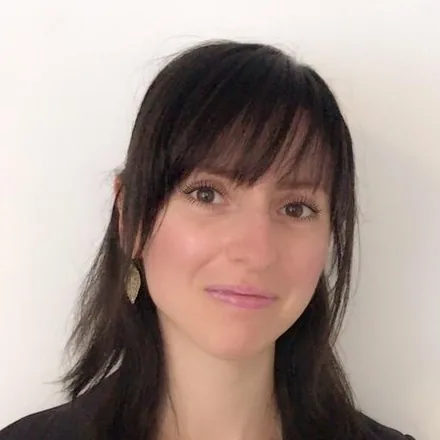
Berenice Paramés Jones
General Health Psychologist
Individual and group psychological work inside the house, crisis follow-up and coordination of the group programme.
Marta Leal
Social worker
Family mediation, links to services back home, and preparing for independent life after discharge.
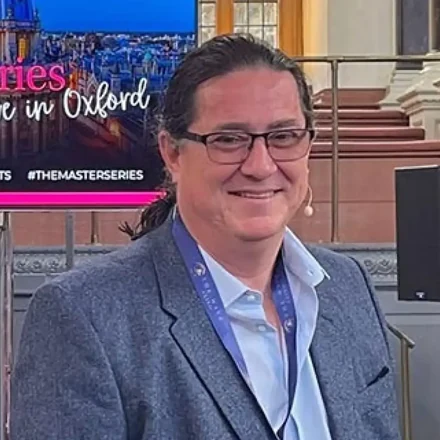
Robin Lefever
Founder of Sierra Recovery; MD, PROMIS Clinics UK
Founder of Sierra Recovery and Managing Director of PROMIS Clinics, whose method this programme adapts. PROMIS has been treating addiction in the United Kingdom since the mid-1980s, and Robin has worked in addiction treatment for around 35 years, with thousands of patients treated with the PROMIS method in the United Kingdom.
Meet the whole clinical team and their qualifications.
How admission works
- Compare on licence, not on photographsAsk any centre abroad for its registration number and the register it sits on, then look it up yourself. Ours is N.I.C.A. 67331 on the Junta de Andalucía register.
- Get the medical picture togetherCurrent medications, any previous withdrawal, and any diagnosed conditions. This is what the pre-travel assessment needs, and it is what decides whether a detox is required first.
- Ask what the price actually includesOurs is published: private room, meals, the core therapy programme, and a year of weekly UK aftercare, with medical, psychiatric, laboratory and hospital costs quoted separately. You get an itemised written quotation before admission.

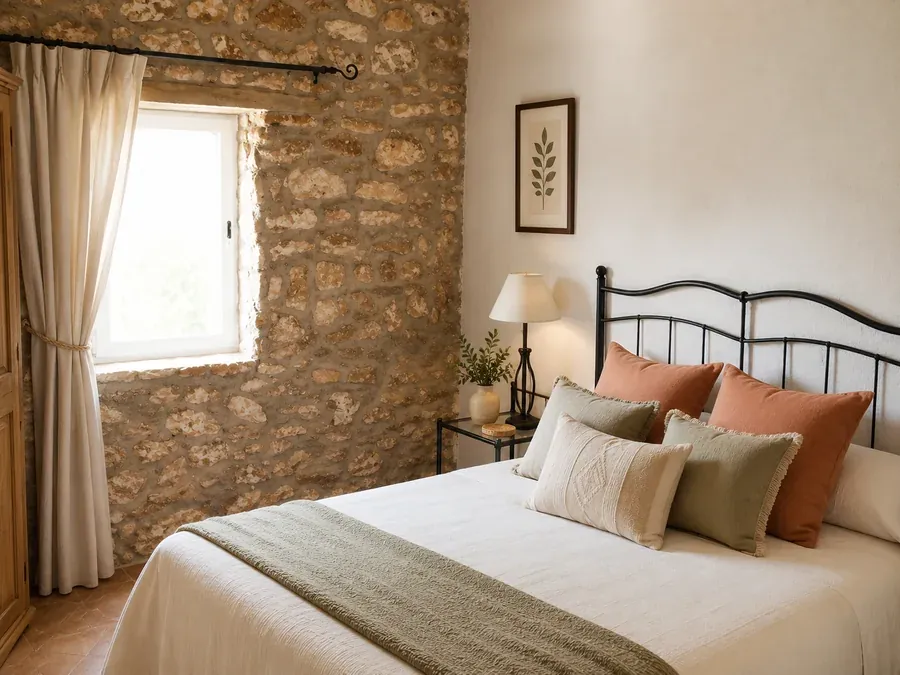
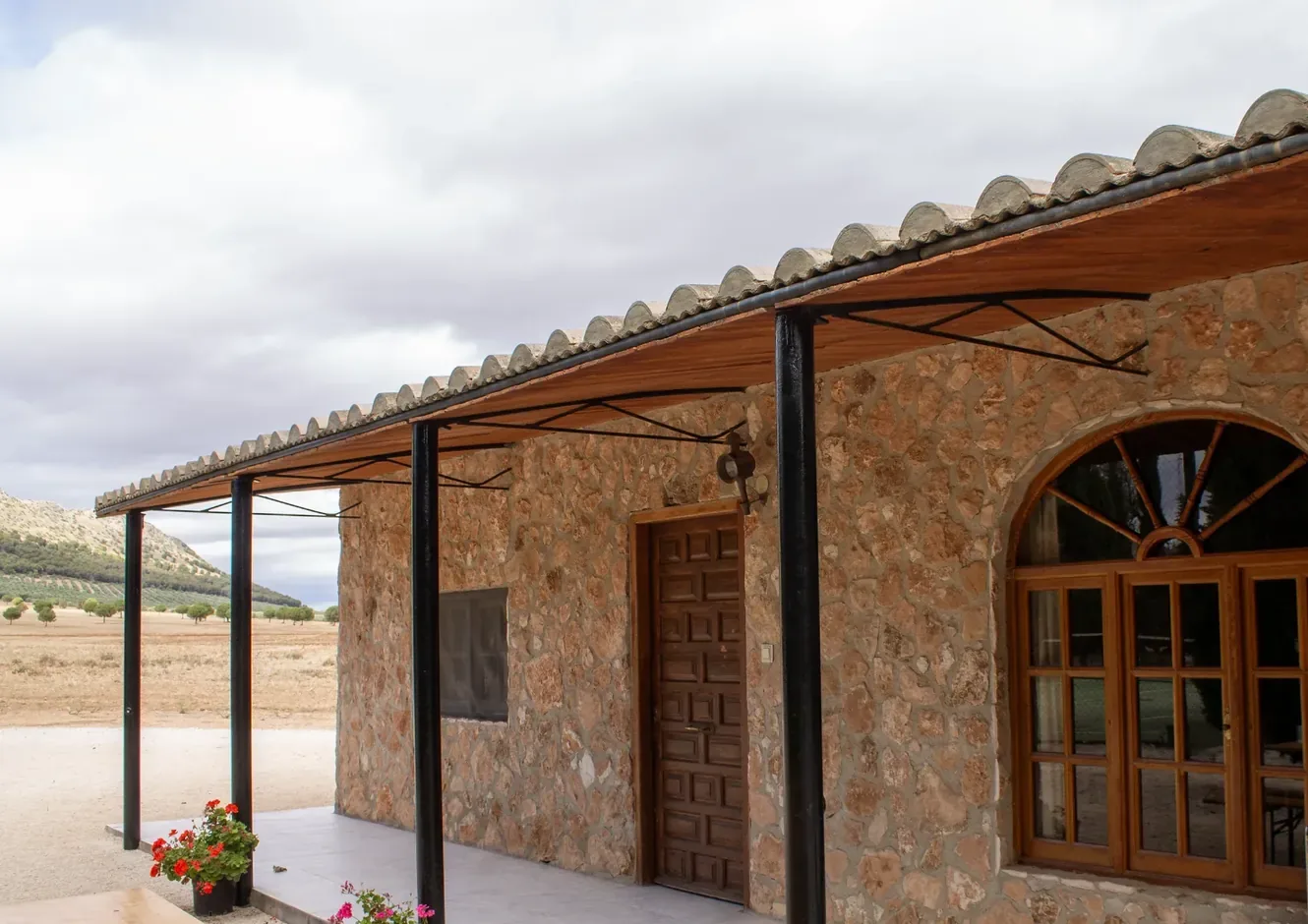


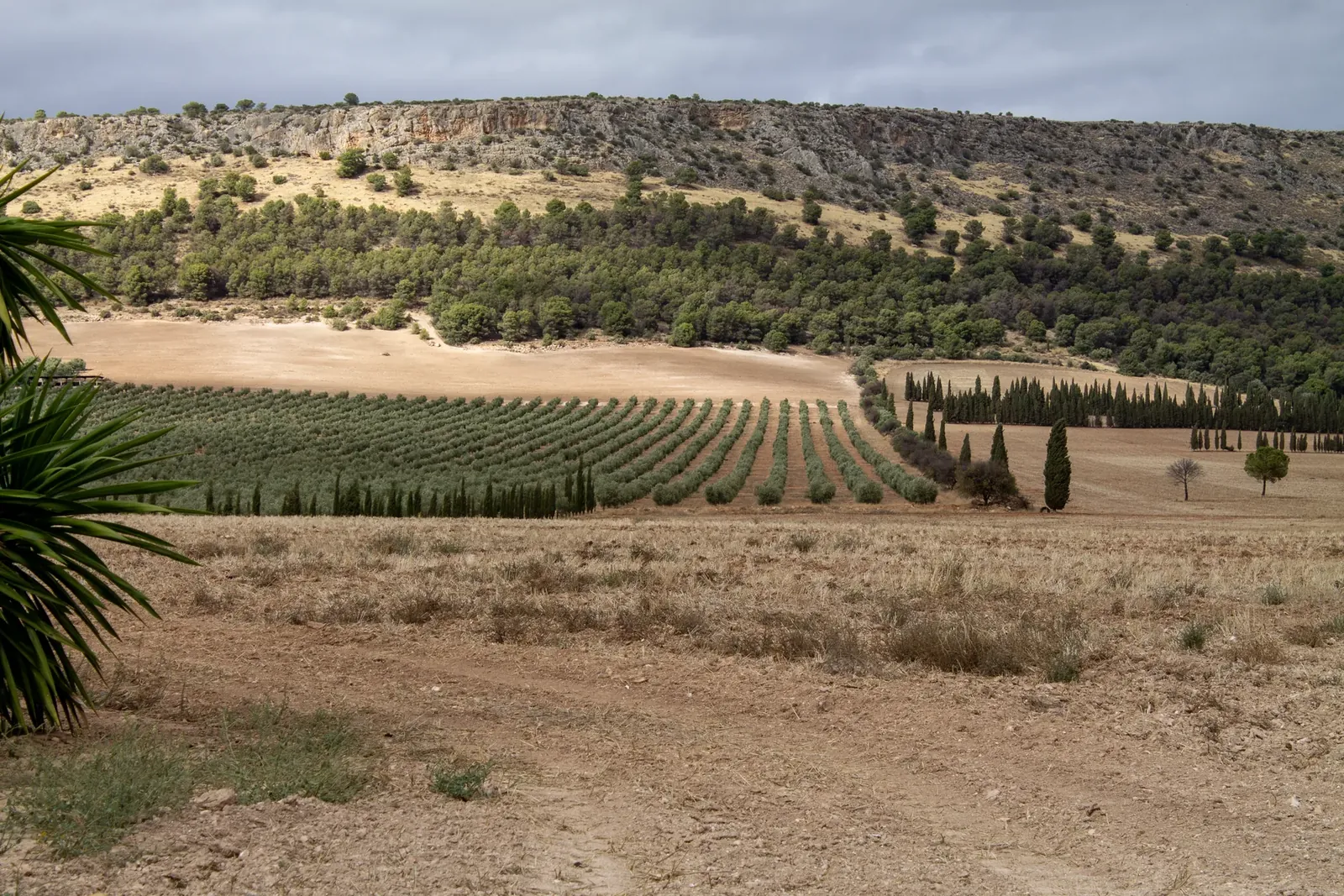
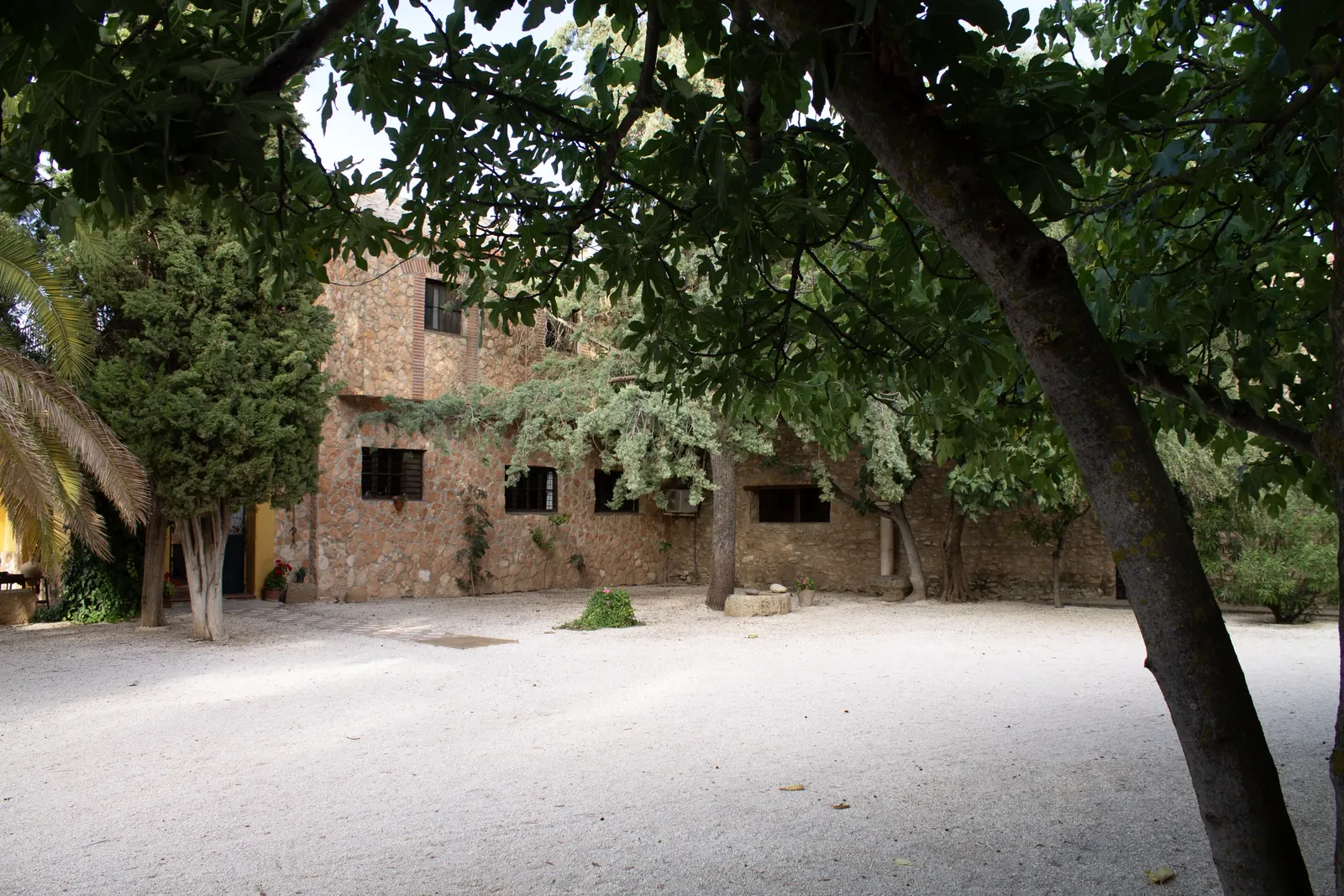
See the full gallery · how people get here.
Talk to a clinician today
You will speak to our admissions team, all of them clinicians. Confidential, no obligation, and we will tell you honestly whether this programme fits or whether something closer to home would serve you better.
Questions people actually ask
Is sex addiction a real diagnosis?
ICD-11, published by the World Health Organization, includes Compulsive Sexual Behaviour Disorder. It is classified as an impulse control disorder rather than as an addiction, and that distinction is still argued over clinically. What is not argued over is that the presentation is real, that it responds to treatment, and that the treatment looks a great deal like addiction treatment.
Is porn addiction the same thing?
Clinically it is treated as the same condition. Pornography is the most common vehicle for compulsive sexual behaviour rather than a separate disorder, which is why we treat them on one programme rather than selling two.
How much pornography use is too much?
The threshold is not a number of hours. It is whether you can stop when you decide to, whether the content or the risk has escalated, and what it is costing you in time, money, work or relationships. Frequency alone tells a clinician very little.
Will I have to talk about it in a group?
Yes, and that is the part that works. It is also the part people dread most. The group is small, everyone in it is there for something they were ashamed of, and nobody is shocked. Most people report the first disclosure as the hardest hour and the most useful one.
What does it cost?
The 28-day residential programme is £9,900, published in full, with a private room included as standard and an itemised written quotation before admission. We neither pay nor accept referral fees in either direction.
Do you treat this alongside alcohol or drugs?
Yes, and that combination is common. Where a medically supervised detox is clinically needed it is completed in an appropriate medical setting before admission, because we are a registered health centre and not a detox unit.
 +
+
Talk to a clinician today
You will speak to our admissions team, English-speaking clinicians who know the programme and the people in it. Callback within 24 hours.
Registered health centre. Authorised by the Junta de Andalucía, N.I.C.A. 67331.