
Home / Drug addiction / Drug detox treatment
Drug detox
Drug detox treatment, and where it is actually done
Detox from drugs is arranged in a hospital before you come to us, never at the centre. Which drug you are dependent on changes almost everything about that detox, so this page goes through it substance by substance, and explains what the residential programme does afterwards.
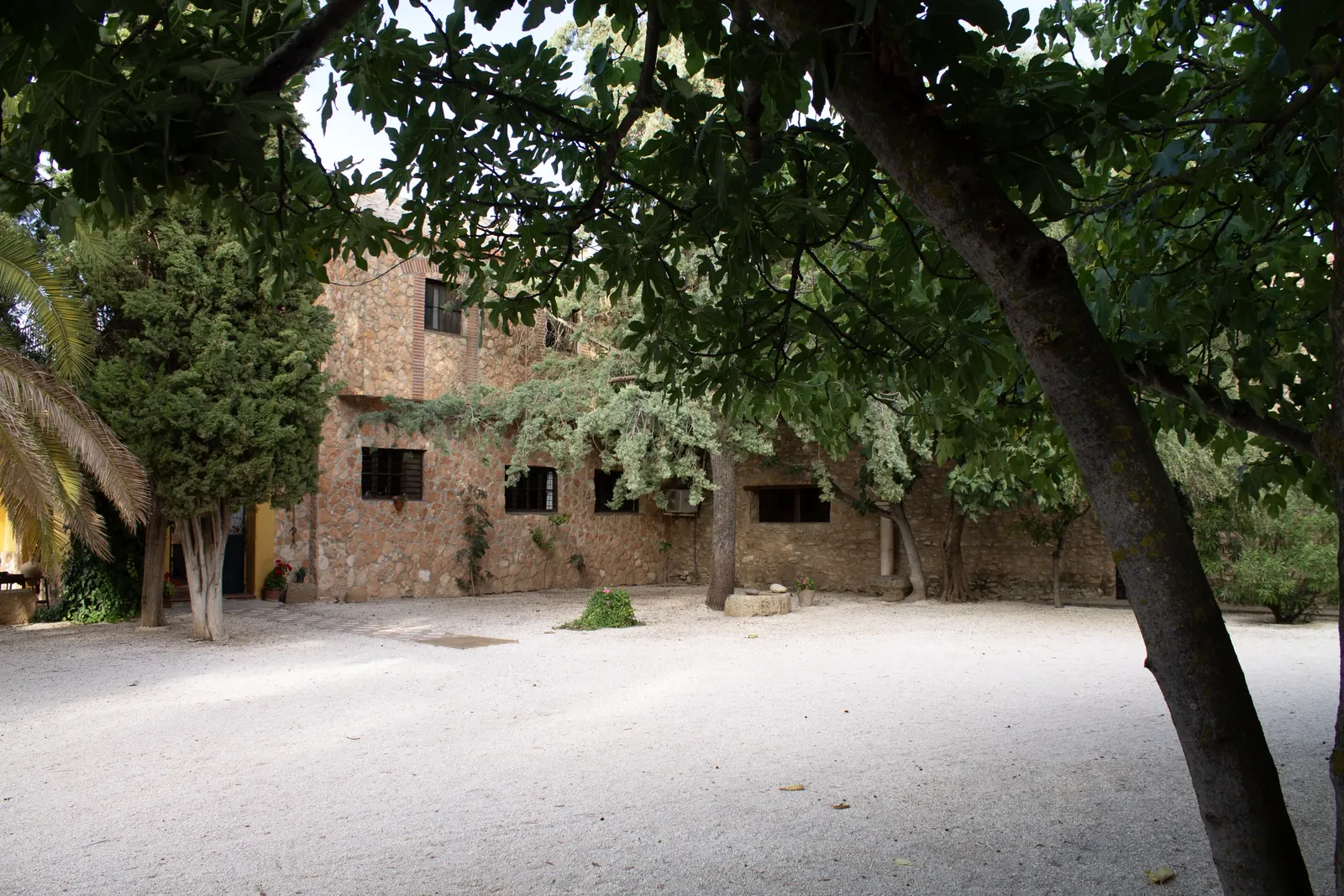
A registered health centre, not a hospital. Anyone offering you a medical detox in a farmhouse is telling you something about their licence.
Checked for accuracy on 9 August 2026. Next review due August 2027. This page is general information and is not a substitute for medical advice about your own situation.
Drug detox is not carried out at Sierra Recovery Spain. Where a detox is clinically needed it is completed in a hospital, before your residential stay begins. The route is the same whichever substance is involved: a psychological assessment by telephone, a referral to a detox hospital in England or in Spain, the medically supervised withdrawal itself, then the 28-day residential programme here at £9,900. What changes between substances is how dangerous the withdrawal is, how long it lasts, and whether medication is used to manage it. Where the hospital is in Málaga province, our therapists travel there and begin therapy on the ward.
Detox location
Hospital, always
Assessment
By telephone, free
Typical detox
5 to 14 days
Programme after
28 days residential
Published price
£9,900
Registration
N.I.C.A. 67331
Stopping benzodiazepines abruptly after long-term use can cause seizures and a withdrawal state that is genuinely dangerous, in the same way alcohol can. Never stop a regular benzodiazepine prescription suddenly on your own. Opioid withdrawal is rarely life-threatening but carries its own serious risk, because tolerance falls fast during any break and returning to a previous dose is how most overdose deaths happen. In an emergency call 999 in the UK or 112 anywhere in Europe.
Which drug you are dependent on changes the whole plan
"Drug detox" is a single phrase covering several very different medical situations. Grouping them together is how people end up with the wrong expectations, and occasionally with the wrong care.
| Substance | What withdrawal involves | Medical risk |
|---|---|---|
| Heroin and other opioids | Begins 8 to 24 hours after the last dose depending on the opioid, peaks around day two or three, physical symptoms largely settle over five to ten days. Flu-like symptoms, cramps, agitation, no sleep. | Extremely unpleasant, rarely fatal in itself. The danger is the overdose risk afterwards, when tolerance has fallen. |
| Fentanyl and synthetic opioids | Similar in shape but often later to start and longer to run, because fentanyl accumulates in fat tissue. | As above, with a far narrower margin for error on any return to use. |
| Benzodiazepines and z-drugs | A slow, supervised taper rather than a stop. Weeks to months, not days, and frequently converted to a long-acting benzodiazepine first. | Genuinely dangerous if stopped abruptly. Seizures and a severe withdrawal state are both possible. |
| Cocaine and crack | No dramatic physical withdrawal. Crushing fatigue, heavy sleep, low mood and intense craving over one to two weeks. | Low physical risk. The mental health risk, particularly low mood and suicidal thinking, is the one that matters. |
| Methamphetamine and stimulants | A prolonged crash, sometimes with paranoia or psychotic symptoms that need psychiatric assessment. | Low physical risk, meaningful psychiatric risk. |
| Cannabis | Irritability, poor sleep, vivid dreams, appetite loss and low mood for one to two weeks. | Low, and it rarely needs an inpatient detox at all. |
| Ketamine | Mainly psychological, alongside bladder and abdominal problems that often need investigating in their own right. | Low withdrawal risk, sometimes significant physical harm to address. |
Two things follow from that table. Not everyone needs an inpatient detox, and the assessment exists partly to establish who does. And where more than one substance is involved, which is common, the plan is built around whichever carries the highest risk, usually alcohol or benzodiazepines.
How the referral works
| Step | What happens |
|---|---|
| 1. Psychological assessment, by telephone | A clinician who knows the programme. What you use, how much, how long, what has been tried, and what else is happening with your physical and mental health. Free, no obligation. |
| 2. Referral to a detox hospital | Where a medically supervised withdrawal is needed, we refer you and arrange it. It is billed separately from the programme fee because a hospital delivers it, not us. |
| 3. The detox | Typically five to fourteen days as an inpatient, depending on the substance. Benzodiazepine reduction is a longer process and is planned differently. |
| 4. The 28-day programme here | You travel once the detox is complete and you are medically stable. Three structured group sessions a day, individual therapy, aftercare agreed before you leave. |
Where the detox hospital is in Málaga, our therapists come to the hospital. Instead of waiting for discharge, a member of the clinical team travels to the ward and starts therapy with you there. The days immediately after the physical withdrawal settles are usually dead time, and they are also when people are at their most open. Using them means you arrive at the centre already known to your therapist rather than starting cold.
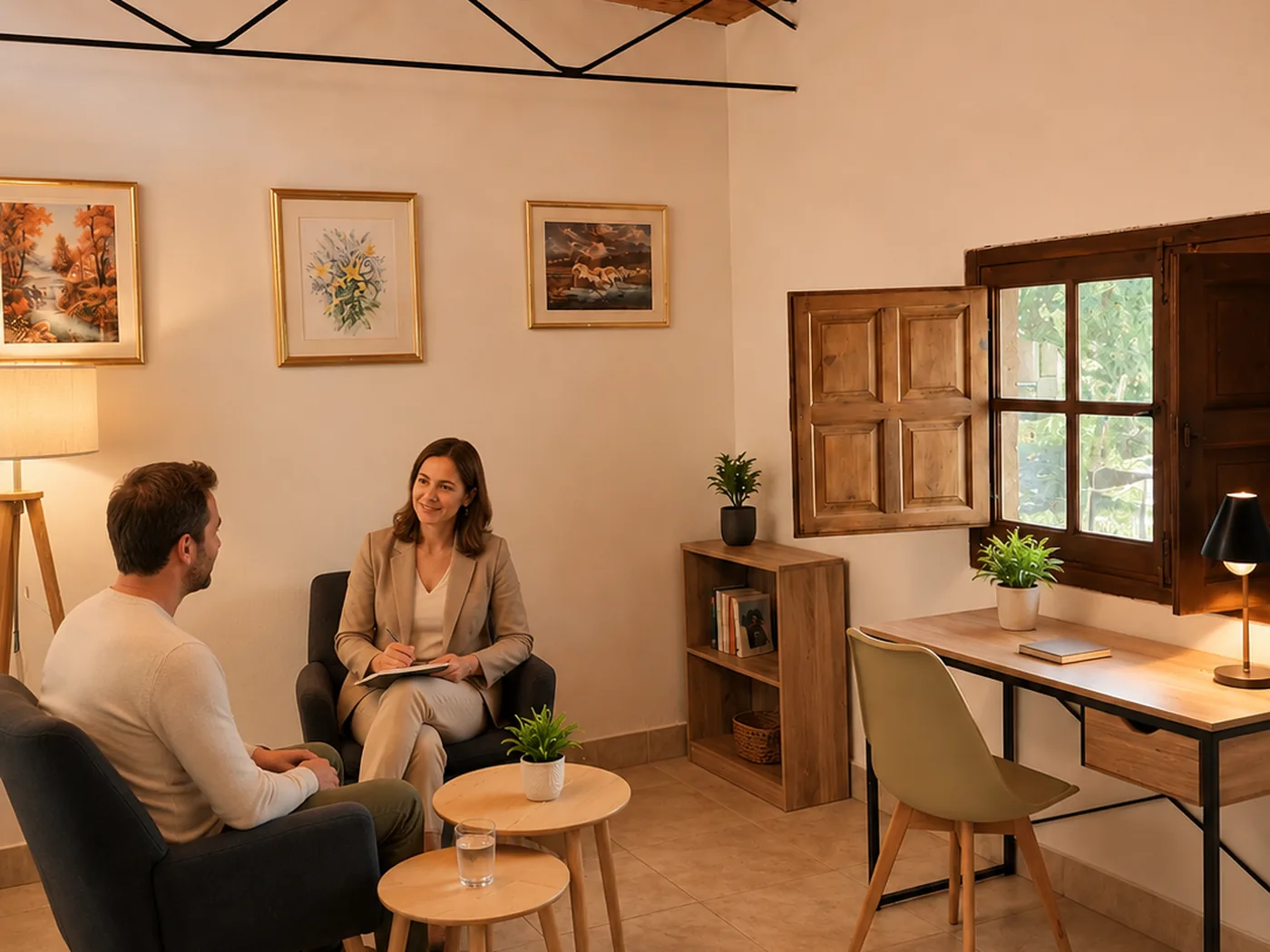

Not sure whether you need an inpatient detox?
For several substances the honest answer is no. The assessment establishes which situation you are in, and it costs nothing.
What happens in the hospital
You are assessed on admission, your withdrawal is monitored and scored, and medication is given against what you are actually experiencing rather than to a fixed script. For opioids that often means a substitute such as buprenorphine or methadone, reduced over the admission, plus medication for cramps, nausea and sleep. For benzodiazepines it means conversion to a long-acting equivalent and a slow reduction. For stimulants there is often no specific medication at all, and the work is observation, sleep, food and psychiatric review where the mood picture warrants it.
Where opioid substitution is part of your longer-term care, that is a decision for the medical team managing it rather than for us, and it changes the timing of a residential stay considerably. We will tell you that at assessment rather than after you have paid for anything.
Detox is the beginning, not the treatment
A detox gets a substance out of your body safely. It does not touch the reasons it was there. On its own, the relapse rate afterwards is high, and with opioids the period straight after a detox carries the highest overdose risk of the entire year, because tolerance has fallen while the habits around use have not.
The 28-day residential programme is what addresses that: three structured group sessions a day, individual therapy, a curriculum covering relapse, trauma and family, and an aftercare plan written weeks before discharge. You can read the full programme, or how we handle what happens afterwards.
What it costs
The residential programme is £9,900 for 28 days, private room included, published in full. The hospital detox is arranged and billed separately, and its cost depends on the substance, the length of stay and where it happens. Medical, psychiatric and laboratory costs are separate as well. You receive an itemised written quotation before committing, and we neither pay nor accept referral fees.
When we will say no
If you need a hospital rather than a residential centre, we will tell you. An unstable physical condition, a psychiatric presentation needing inpatient care, or a withdrawal risk beyond what any residential setting should carry are all reasons we decline an admission. That is not a refusal of help. It is a redirection to the right kind of it, and we will say where.
Frequently asked questions
Does Sierra Recovery Spain provide a medical drug detox?
No. We are registered under N.I.C.A. 67331 for atención sanitaria a drogodependientes (healthcare for drug dependency, authorised care unit U.71), which is a health centre with a supervised treatment residence rather than a hospital or a detox unit. Detox is arranged in a hospital beforehand. Qualified nursing is part of the team during your residential stay.
How long does a drug detox take?
Usually five to fourteen days as an inpatient, depending on the substance. Opioid withdrawal settles physically over five to ten days. Benzodiazepine reduction is measured in weeks or months and is planned as a taper rather than a detox admission.
Do I need a detox for cocaine or cannabis?
Frequently not. Neither produces the kind of physical withdrawal that requires medical cover, and the difficulty with both is psychological: craving, low mood, disturbed sleep. What those need is treatment, not a detox bed. The assessment will tell you which situation you are in.
Is opioid withdrawal dangerous?
The withdrawal itself is rarely life-threatening, though it is thoroughly miserable. The real danger comes afterwards. Tolerance falls quickly during any break in use, and returning to a dose that was previously normal is how most opioid deaths happen. That is why a detox with no treatment behind it is not a neutral act.
Can I stop benzodiazepines quickly and get it over with?
No, and this is the one to take seriously. Abrupt withdrawal after long-term use can cause seizures and a severe withdrawal state. It is managed as a slow, supervised reduction, usually after conversion to a long-acting benzodiazepine, and it takes as long as it takes.
What if I use more than one drug?
Very common, and it is handled by planning around whichever substance carries the highest withdrawal risk, which is usually alcohol or benzodiazepines. Tell the assessment everything, including anything prescribed. A plan built on a partial history is not a plan.
How do I start?
Call +44 1202 653136 and you will reach our admissions team, all of them clinicians, or ask for an assessment. Your GP and free local drug services are also routes worth using, and if one of those suits you better we will say so.
Talk it through with a clinician
Free, by telephone, no obligation. If a hospital detox is needed we arrange it; if it is not, we will tell you that too.
 +
+
Talk to a clinician today
You will speak to our admissions team, English-speaking clinicians who know the programme and the people in it. Callback within 24 hours.
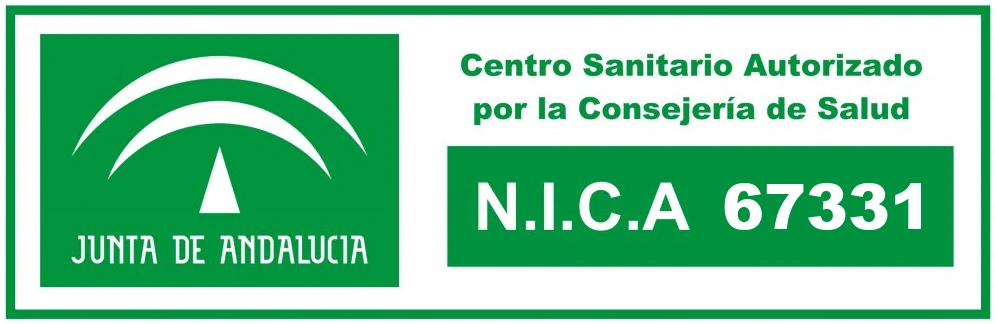
Registered health centre. Authorised by the Junta de Andalucía, N.I.C.A. 67331.