
Home / Blog / Treatment and recovery
Treatment and recovery
First Steps to Recovery: What to Expect and How to Begin
Not sure where to begin? This guide walks through each step: recognising the problem, reaching out, the assessment, detox where it is needed, treatment, and the support that makes recovery last.
Checked for clinical accuracy on 7 July 2026. Next review due July 2027. This article is general information and is not a substitute for advice about your own situation.
Taking the first steps to recovery begins with one honest moment: recognising that something needs to change. From there, a clear pathway exists. Reaching out, going through an assessment, managing withdrawal safely, entering structured treatment, and building the support that makes recovery last are all steps that others have taken before you. The NHS describes realising you have a problem as "the first big step to getting help." Everything after that can be arranged.
This guide walks through each step in plain terms. Whether you are exploring this for yourself or for someone you care about, the aim is to make the process feel less unknown.
Recovery Starts Before Treatment Does
There is a version of recovery that begins before any appointment is made. It begins when you start asking questions you have not asked before: whether what you are experiencing is normal, whether you have been in denial, whether things could be different.
SAMHSA, the US Substance Abuse and Mental Health Services Administration, defines recovery as "a process of change through which individuals improve their health and wellness, live a self-directed life, and strive to reach their full potential." The word process is important. Recovery is not a single event with a fixed start and end date. It is a direction.
The early stages of that process are often marked by ambivalence. Wanting to stop and not yet feeling ready to stop can coexist. That tension is not a failure of willpower. It is a recognised part of how people move toward change, and it means you are already further along than you might think.
Wherever you are in that process, this article is for the moment you decide to find out what comes next.
Step 1: Admitting the Problem to Yourself
Acknowledging an addiction is rarely a sudden, dramatic realisation. More often it builds gradually: a growing awareness that drinking or drug use is no longer something you can take or leave, or that it has started to shape your relationships, your work, your sense of yourself.
The NHS describes the signs of alcohol dependence as: drinking more than intended, being unable to cut down despite wanting to, continuing to drink when it is causing obvious problems, and experiencing discomfort or withdrawal symptoms when you try to stop. These signs exist across addictions, not only alcohol. They are not a verdict. They are a description.
Person-first thinking matters here. You are not your addiction. Addiction is a condition, not a character flaw. Recognising it honestly is the beginning of addressing it, not a judgement of who you are.
If you have been wondering whether your drinking has crossed a line, our article Am I an alcoholic? covers the question directly. If it is a broader alcohol addiction picture you are trying to understand, that page explains what dependence means and what treatment involves.
Step 2: Reaching Out for Help
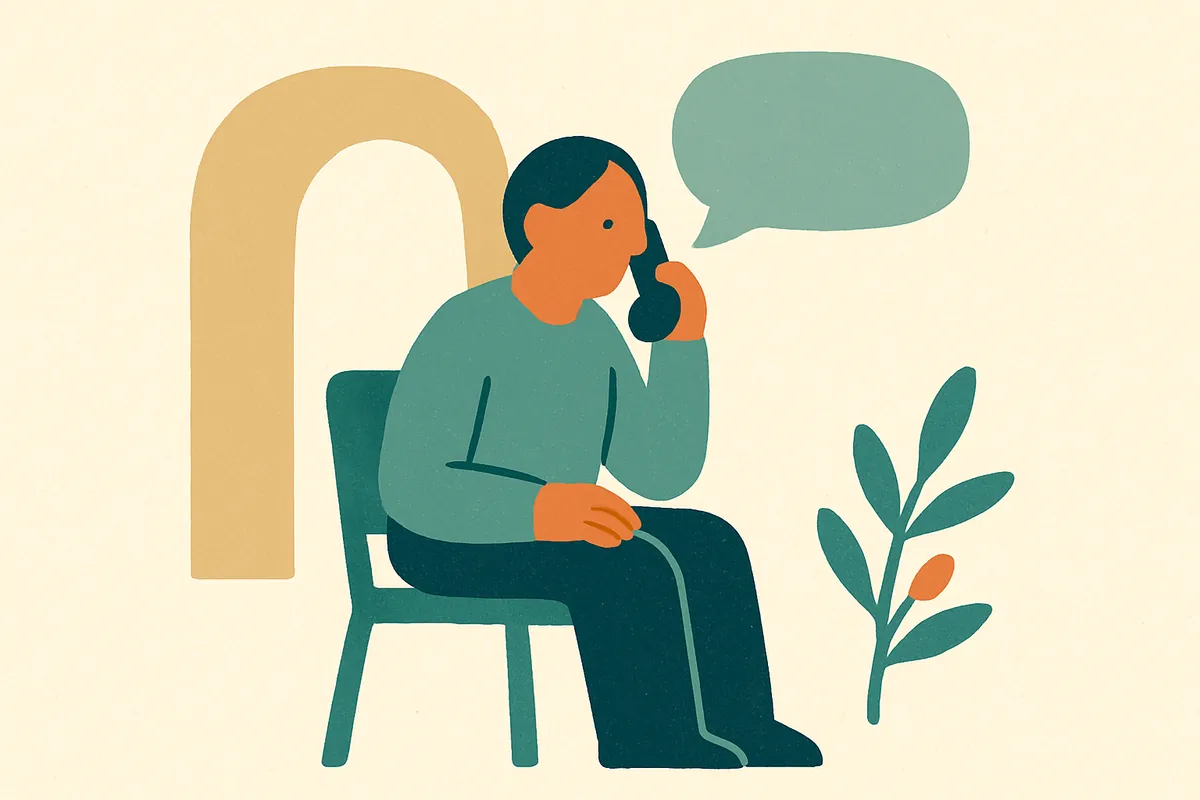
Once you have acknowledged the problem, the next step is telling someone who can help.
For most people in the UK, the first contact is a GP. The NHS recommends this route, and it is worth taking seriously. A GP appointment is not a confrontation. Your doctor's job is to understand your situation and connect you with the right support. Being honest about how much you drink or use, and how it is affecting your life, gives them what they need to point you in the right direction.
Some people find it easier to make the first contact anonymously. Drinkline (0300 123 1110) is the NHS-backed free confidential helpline for anyone with concerns about their drinking. Calling does not commit you to anything.
If you are considering private treatment, many clinics, including Sierra Recovery, offer a confidential initial call with an admissions adviser. There is no pressure, no obligation, and no expectation that you have made a decision. Our admissions page sets out what that first conversation covers.
If you are unsure whether treatment is the right next step at all, our article on whether you need rehab outlines the signs that professional support makes sense.
Step 3: The Assessment, and Why It Matters
An assessment can feel daunting if you do not know what to expect. In practice, it is a conversation designed to understand you well enough to build the right plan.
Clinical assessments for addiction typically cover several areas:
- Substance use history: what you use, how much, how often, and for how long
- Physical health: any conditions relevant to withdrawal or treatment
- Mental health: depression, anxiety, trauma, or other co-occurring conditions
- Social situation: work, family, living circumstances, support network
- Previous treatment: what has been tried before and what happened
In NHS and specialist services, NICE CG115 guides clinical practice for alcohol use disorders. Standard tools include the Alcohol Use Disorders Identification Test (AUDIT), developed by the World Health Organisation, and the Severity of Alcohol Dependence Questionnaire (SADQ), which helps clinicians gauge the level of physical dependence.
The assessment is not a test you can pass or fail. Its purpose is to give whoever is treating you an accurate picture of where you are, so that the treatment plan they build is the right one for your situation. A person with mild dependence and a strong support network may need something very different from someone with severe physical dependence living alone. Our page on medical assessment and detox explains how this works at Sierra.
Step 4: Medical Detox, When It Is Needed and What to Expect
Not everyone who enters recovery needs medical detox. But for anyone who is physically dependent on alcohol or benzodiazepines, stopping without medical support carries serious risks.
The NHS is clear on this point: stopping alcohol suddenly when physically dependent can trigger withdrawal symptoms including anxiety, insomnia, nausea, vomiting, racing heartbeat and confusion, as well as tremors, sweating, hallucinations, and in severe cases, seizures and delirium tremens. These are medical emergencies. Do not attempt to stop drinking or using benzodiazepines abruptly without first speaking to a doctor.
Medically supervised detox changes this picture entirely. A supervised detox involves:
- A doctor prescribing a reducing regimen of medication (typically a benzodiazepine such as chlordiazepoxide for alcohol withdrawal, prescribed only by a doctor) to ease withdrawal safely
- Regular monitoring of vital signs and withdrawal symptoms
- Nursing or clinical support through the early days
- Medication to protect against complications such as seizures
Detox can take place at home under community supervision, or in a residential setting. For people with high dependence or complex needs, a residential medical detox is safer. The process typically takes seven to ten days, though duration varies depending on the individual and the severity of dependence.
It is worth being clear about what detox is and what it is not. Detox addresses physical dependence. It is the first and necessary step before psychological treatment begins. It does not, on its own, treat addiction. That is why detox is always followed by a treatment programme, not offered as a standalone intervention.
For more on what alcohol withdrawal involves, our alcohol detox page covers the process in detail.

Not sure whether you need a detox first?
The assessment answers that before you commit to anything, and it is not a sales call. Where a medically supervised detox is needed, it is arranged in an appropriate medical setting first.
Step 5: Choosing the Right Treatment
Once detox is complete, or if no detox is needed, the question becomes what kind of treatment is the right fit. The main options are:
| Treatment type | What it involves | Best suited to |
|---|---|---|
| Community outpatient | Regular sessions with a keyworker or therapist while living at home | Mild dependence, strong home support, work or family commitments |
| Day programme | Intensive daily treatment, returning home in the evenings | Moderate dependence, some support at home |
| Residential rehabilitation | Full-time residential care, 28 days or more | Moderate-to-high dependence, complex needs, or previous outpatient attempts |
Residential treatment may offer more intensive support for people with significant physical dependence or those whose home environment presents a risk. Removing someone from their usual setting, for a period long enough to allow therapeutic work to take root, is the clinical rationale behind it.
No option is inherently better or worse. The right treatment is the one that matches the level of support you need with your practical circumstances. If you are unsure, a good admissions team will walk through the options honestly without pushing you toward the most expensive one.
Our therapies page covers the therapeutic approaches used in both outpatient and residential settings.
What Residential Treatment Actually Involves
For someone considering residential treatment for the first time, the concept can carry a lot of uncertainty. What does it actually look like day to day?
A residential programme at a quality rehab is structured, not punishing. A typical day combines individual therapy sessions, group therapy, psychoeducation groups, and time for reflection, exercise, and rest. Among the therapies that may be used in evidence-based programmes are:
- Cognitive behavioural therapy (CBT): identifying and changing the thought patterns that drive addictive behaviour
- Dialectical behaviour therapy (DBT): developing skills for managing difficult emotions and improving relationships
- EMDR (Eye Movement Desensitisation and Reprocessing): processing trauma that underlies or co-occurs with addiction
- Motivational interviewing: building clarity on why change matters and strengthening commitment to it
- Group therapy: working alongside peers in recovery, which reduces isolation and builds honest self-reflection
A standard residential programme runs for 28 days. Some people benefit from longer stays. The 28-day model is not arbitrary; it is long enough for the initial work to take hold while still being realistic for most working adults.
Small group sizes matter. A clinic treating six to ten clients at a time can offer a level of individual attention that a large facility cannot. The work is genuinely personal, not a course delivered to a crowd.
Our residential treatment page outlines what Sierra Recovery's programme includes.
Step 6: Building the Support That Sustains Recovery
Recovery does not end when a residential programme does. What happens after treatment is as important as the treatment itself.
A good continuing care plan is agreed before discharge. It typically includes:
- Ongoing individual therapy sessions, weekly or fortnightly in early recovery
- Group support or mutual aid, such as Alcoholics Anonymous or SMART Recovery
- Family or couples therapy where relevant
- Regular check-ins with the treating clinician
- A clear plan for managing high-risk situations
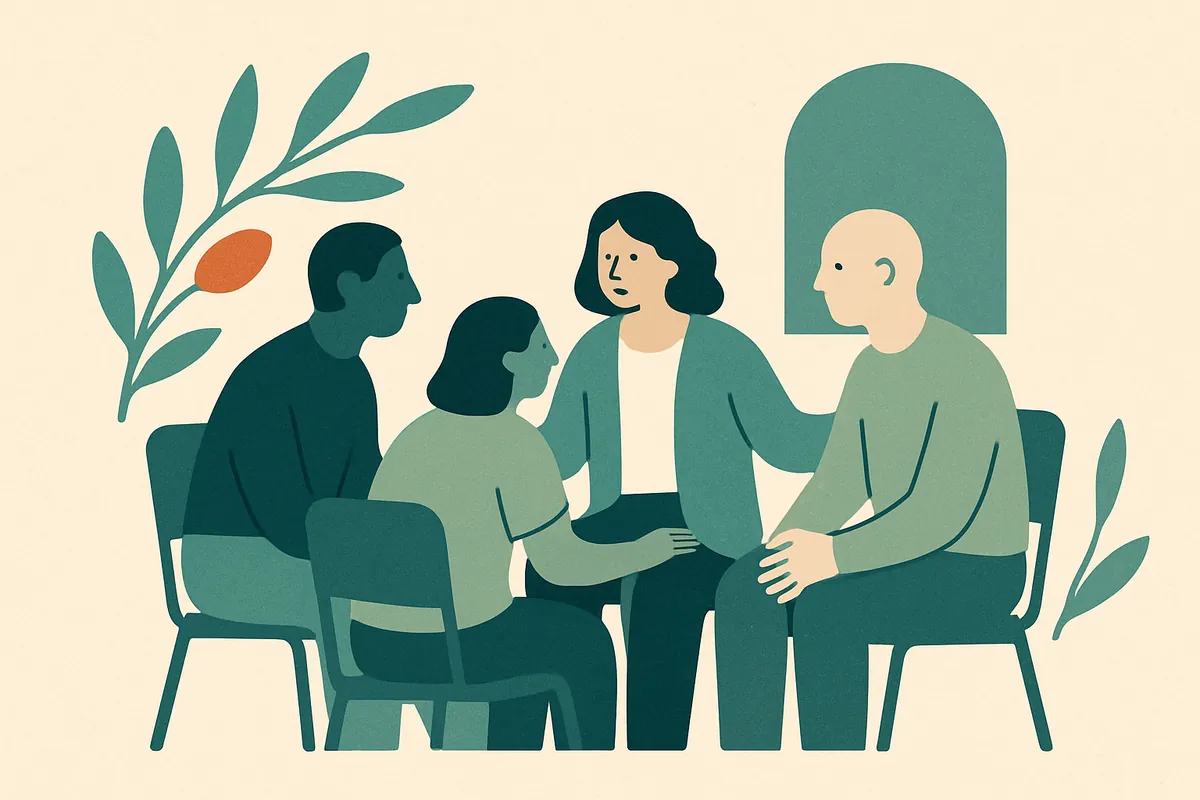
Peer support has a recognised role in sustaining recovery. Being in contact with people who have been through a similar experience and come through it reduces the isolation that often accompanies early recovery.
Building a support network is not a sign of weakness. It is the single most consistent predictor of sustained recovery outcomes. Our page on aftercare and discharge sets out how continuing care is planned.
What Recovery Looks Like After Treatment
There is no single picture of what recovery looks like. For some people it is total abstinence. For others it is a profound reduction in use and a substantial improvement in health and relationships. What it is not, for most people, is a smooth upward line.
Early recovery comes with challenges: managing triggers, rebuilding routines, re-establishing relationships that addiction damaged, and finding a new sense of identity not built around a substance. These are real difficulties, and they are things that ongoing support helps with.
Evidence consistently points to the importance of connection in sustaining recovery. People with a strong continuing care plan, active peer support, and honest relationships around them are less likely to experience relapse. If relapse does happen, it is not the end of the story. It is a signal to look at what was missing, and to re-engage with support.
If it is a loved one you are trying to support through this process, our guide on how to help a loved one with addiction offers specific, practical guidance.
Treatment at Sierra Recovery: Assessment to Aftercare
Sierra Recovery is a small private residential clinic in the mountains of inland Andalusia, Spain, registered with the Junta de Andalucia as a healthcare centre under registration number NICA 67331. It is a registered health centre delivering a structured residential programme, not a hospital and not a detox unit. Where a medically supervised detox is clinically needed, it is completed in an appropriate medical setting before the residential programme begins.
Our process starts with an initial call. We listen to what is happening, ask the right questions, and give you an honest picture of whether Sierra is the right fit and what the journey would look like. There is no pressure. The assessment is the starting point, not a commitment.
Once in treatment, clients work with an English-speaking clinical team. The programme is the Regulation Model, the PROMIS Clinics model adapted to Sierra and clinically backed by PROMIS Clinics, one of the United Kingdom's longest established private rehabilitation clinics, treating addiction since 1986. It is delivered in structured group work and individual sessions, and includes CBT, DBT, EMDR, motivational interviewing and equine-assisted therapy. The setting is an inland cortijo in the mountains, chosen deliberately for the calm and distance it offers from familiar environments.
Aftercare following discharge includes continuing online sessions with the lead clinician, weekly virtual group sessions, and in-person support through PROMIS Clinics' London touchpoint for UK-based clients.
Last reviewed 2026-07-07. Next review 2027-07-07.

Ready to find out what your next step looks like?
Our admissions team answers questions honestly, in English. We will explain what an assessment involves, what treatment at Sierra looks like, and whether we are the right fit for you. No commitment, no pressure.
Questions people actually ask
What is the first step to recovery from addiction?
The first step is acknowledging that a problem exists. As the NHS describes, realising you have a problem is the first big step to getting help. From there, reaching out to a GP, a helpline, or a private admissions team opens the door to assessment, structured treatment, and support. Recovery is a process, and the first step is deciding to find out what that process looks like.
Do I need to go to rehab to recover?
Not necessarily. Some people recover through community-based outpatient treatment, mutual aid, or structured support at home. Residential rehabilitation is recommended when dependence is moderate to high, when previous treatment attempts have not held, or when the home environment is itself a risk factor. An honest assessment will clarify which level of care is most appropriate for your situation.
What happens at an addiction assessment?
An addiction assessment is a structured conversation with a clinician. It covers your substance use history, physical health, mental health, social circumstances, and any previous treatment. In the UK, tools such as the AUDIT and SADQ are used to gauge the level of dependence. The assessment is not a test. It is the information gathering that allows a personalised treatment plan to be built.
Is it safe to stop drinking or using drugs on my own?
For physical dependence on alcohol or benzodiazepines, stopping suddenly without medical supervision carries serious risks, including seizures and in severe cases delirium tremens. The NHS advises that people who are dependent should not stop without medical guidance. For substances where physical withdrawal is less dangerous, it may be safer, but professional support still significantly improves outcomes. Always speak to a doctor before attempting to stop if you are drinking heavily every day.
How long does recovery take?
There is no single answer. A residential programme typically lasts 28 days, but early recovery continues for months after discharge. Some people find the first year the most demanding. Long-term recovery is maintained through continuing care, peer support, and rebuilding a life that does not revolve around substance use. Recovery is better thought of as an ongoing process than a fixed-length treatment.
How can I help a loved one take the first steps?
Expressing concern from a place of care rather than blame, listening more than lecturing, and exploring options together rather than issuing ultimatums tends to be more effective. Our guide on how to help a loved one with addiction covers this in detail, including what to say, what to avoid, and when to seek professional guidance for yourself.





 +
+
Talk to a clinician today
You will speak to our admissions team, English-speaking clinicians who know the programme and the people in it. Callback within 24 hours.
Registered health centre. Authorised by the Junta de Andalucía, N.I.C.A. 67331.