

Last checked for clinical accuracy on 10 April 2025. This article is general information and is not a substitute for advice about your own situation.
Mixing gabapentin and alcohol is risky because both depress the central nervous system, so the sedative effects of each are amplified. The combination can cause severe dizziness, extreme sedation, worsened memory lapses and confusion, and in serious cases respiratory depression, where breathing becomes slow enough to cause unconsciousness. It can also deepen depression and suicidal thoughts. Reflexes, coordination and judgement are impaired, which makes driving or using machinery dangerous. Ask your doctor about your own situation.
Before you go further, a safety note
If you are physically dependent on alcohol or on benzodiazepines such as diazepam or alprazolam, do not stop taking them suddenly. Sudden withdrawal from either can cause seizures and can be life threatening. A medically supervised withdrawal is the safe route, and your GP can arrange one.
In an emergency call 999 in the UK, or 112 anywhere in Europe. For urgent advice that is not an emergency, NHS 111 is available in England around the clock.
Clinical sign-off required before publication. This article describes how a prescription medicine interacts with alcohol. It must not go live until a named clinician has reviewed it and the review date is recorded.
Gabapentin is a prescription drug widely used for its anticonvulsant properties. While it may seem harmless to have a drink or two when taking this medication, many might not realise that its interaction with alcohol may lead to potentially dangerous health risks. This article explores the serious health risks of combining alcohol with gabapentin treatment, emphasising how its interaction can impact your overall health.
Is Gabapentin A Prescribed Medicine?
Gabapentin is a prescription medication, meaning it is only dispensed by chemists when you have a prescription from your doctor. It is an anticonvulsant drug that is used to treat seizure disorders and nerve pain. It is also utilised in the management of anxiety disorders owing to its anti-anxiety properties. On top of its utilisation for these conditions, gabapentin has also been proposed as a novel treatment for alcohol use disorders (AUD). Gabapentin reduces excitement in the brain via multiple pathways, calming overactive nerve activity and ultimately leading to its therapeutic effects.
Why Do Individuals Take Gabapentin?
Gabapentin is primarily prescribed because of its anticonvulsant properties and its ability to reduce nerve pain effectively. This is the reason why it is useful for individuals with partial seizure disorder; for this condition, it is approved for use in adults and pediatric patients three years old and above. This medication is the treatment of choice for all types of nerve pain, including pain in diabetic neuropathy, a complication resulting from type 2 diabetes. On top of its utilisation in the conditions as mentioned earlier, it also has various off-label uses. Your doctor may prescribe this medication if you have moderate-to-severe restless leg syndrome. In addition to this, it can also be prescribed to individuals with mood disorders, generalised anxiety disorders, bipolar disorders, social phobia, insomnia and post-traumatic stress disorder (PTSD). Gabapentin may also be considered an alternative treatment in patients with AUD who have experienced severe, unwanted side effects of benzodiazepines in their alcohol withdrawal treatment protocol.
The Side Effects Of Gabapentin
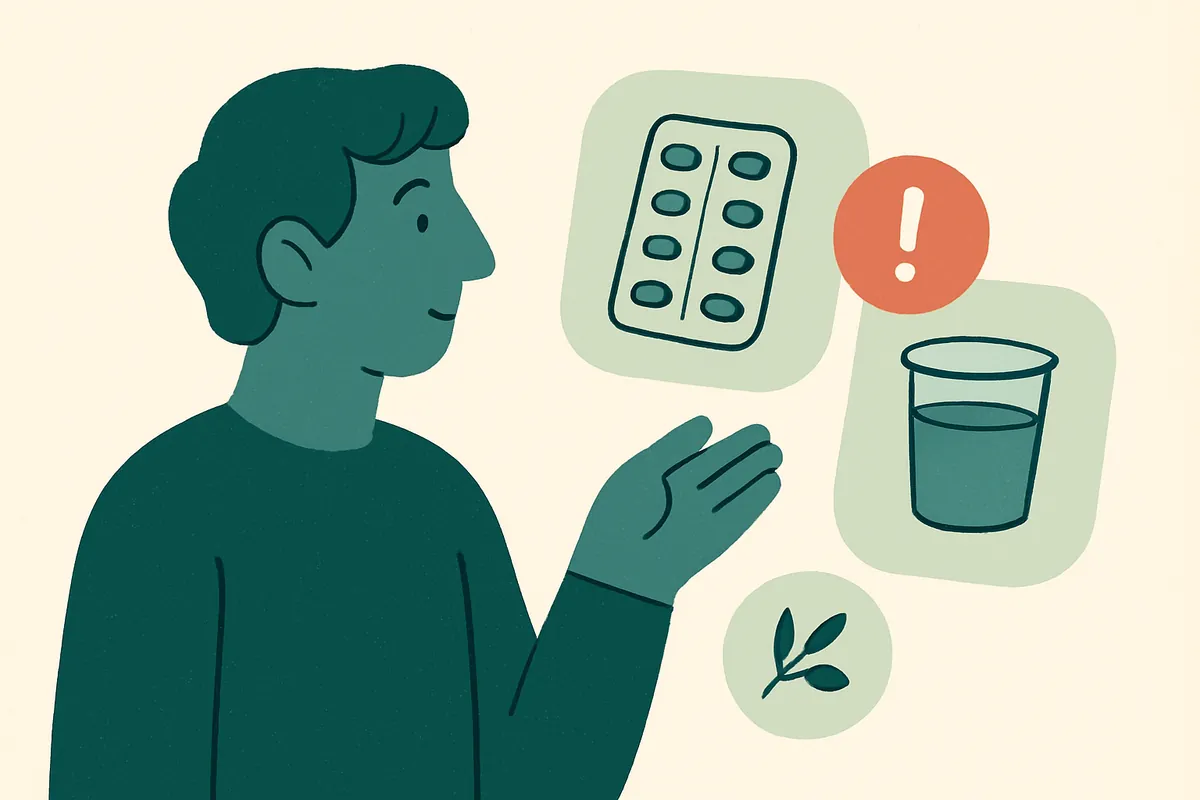
As with any other medication, Gabapentin has the potential for several expected side effects. These include dizziness, drowsiness or sedation, nausea, vomiting, fatigue, and issues with coordination, especially when the medication is initially introduced. Minimal cognitive changes can also occur, although they are uncommon. These cognitive side effects include memory problems, mood swings, depression and suicidal thoughts. Taking it with alcohol doesn't come without risks, as both substances depress the central nervous system, affecting a majority of crucial functions of the brain. These side effects are often amplified and could lead to potentially life-threatening conditions such as: - Severe dizziness: This could increase the risk of accidents/falls. - Extreme sedation: Asbrain activity slows down, this leads to reduced alertness. - Aggravated cognitive impairment: The interaction between alcohol and gabapentin can intensify cognitive side effects such as memory lapses and confusion. - Respiratory depression: In more severe cases, extremely slow breathing could lead to unconsciousness, which can be fatal. - Worsened suicidality and depression: The combination can heighten the feelings of depression and suicidal ideation.
Drinking Alcohol While Taking Gabapentin
In general, alcohol consumption is not advisable when you're on any medication; this includes gabapentin. Although alcohol may not directly affect the efficacy of gabapentin and how it is absorbed and metabolised by the body, it may intensify the sedative effects of the medication because it also depresses the central nervous system. Moreover, other sources would even emphasise that alcohol enhances the side effects of gabapentin, such as slurred speech, dizziness, and loss of consciousness.
Half-Life
Gabapentin is cleared exclusively by the kidneys, and its half-life is approximately seven hours. Half-life is the amount of time it takes for half of a substance, like a medicine, to be cleared or broken down by the body. As aforementioned, Gabapentin is usually cleared from the body in approximately seven hours in people with normal kidney function. However, the half-life can increase to ten to twenty times the normal rate in individuals with impaired kidney function. This prolonged half-life increases the risk of toxicity such that the drug can stay in the body for up to 140 hours. Gabapentin toxicity can occur in these cases, which can manifest as tremors, altered mental status, and, in some cases, respiratory depression, which can be fatal.
Alcohol Withdrawal Symptoms
Alcohol withdrawal symptoms (AWS) can be quite challenging to manage. However, for mild cases, Gabapentin may be considered as pharmacotherapy. AWS symptoms may include mild symptoms such as elevated blood pressure, insomnia, tremors, anxiety, stomach upset, headache, and palpitations, but they can progress to hallucinations and alcohol withdrawal seizures that can occur 12 to 24 hours after stopping alcohol consumption. In more severe cases, delirium tremens can occur, which is the most severe form of alcohol withdrawal. Signs and symptoms include visual hallucinations, rapid heart rate, elevated blood pressure, fever, agitation, and increased sweating. In these more severe cases, gabapentin is not considered as part of the pharmacologic therapy due to its high risk of seizures.
Potential Overdose
Combining gabapentin with other central nervous system depressants, like opioids, can have serious consequences. Gabapentin misuse increases the risk of overdose and can cause respiratory depression, a dangerous condition where breathing becomes slow and ineffective, potentially leading to death. However, the risk of misuse is low when gabapentin is taken as prescribed by patients who do not have a history of opioid abuse.
Should I Be Concerned About Mixing Gabapentin And Alcohol?
The combination of gabapentin and alcohol can be risky and can lead to potentially life-threatening consequences. Both substances depress the central nervous system, and their combination can lead to increased drowsiness, dizziness, and difficulty breathing. Your reflexes may also be slowed, and you may have impaired coordination and judgement, which makes you vulnerable to accidents while driving, walking down the stairs or operating heavy machinery. If you're unsure, it's best to consult your doctor for personalised advice.

Is someone you love using benzodiazepines?
Families are usually the first to see it and the last to be asked. Talk to a clinician about what you are seeing, in confidence and with no obligation.
Treatment For Alcohol Use Disorder
Gabapentin is a viable and safe alternative to benzodiazepines for alcohol withdrawal syndrome. Despite being the first-line medication for the treatment of symptoms of alcohol withdrawal, benzodiazepines can cause uncomfortable side effects such as extreme sedation. Moreover, the propensity for addiction also increases, especially for long-term use. For this reason, gabapentin can be a safer alternative. Another benefit for people with an alcohol withdrawal history treated with gabapentin is that it helps to lessen anxiety and cravings, which contributes to long-term rehabilitation and recovery. Gabapentin also lends itself well to the management of insomnia related to alcohol withdrawal, a symptom that can be very distressing. If not treated, this insomnia increases the risk of relapse. Gabapentin is widely used in the outpatient setting, which makes it a more accessible option for those who do not have severe alcohol withdrawal syndrome and, hence, do not need close medical supervision.
Getting Help for Gabapentin Misuse or AUD
The challenges of dependence on substances can be overwhelming, and you don't have to be alone facing them. Remember that support is available through various channels. This may be a family member, a loved one, a friend or a community member. Helplines are also available online, including support groups from rehab communities. At Sierra Recovery, we provide you with a safe space where you can find help for addiction and start your recovery. Our compassionate and dedicated team will support you every step of the way. It is never too late to get help. Get help from our compassionate team today
Last reviewed 2026-07-25. Next review 2027-07-25.

Talk to a clinician today
You will speak to our admissions team, all of them clinicians. Confidential, no obligation, and we will tell you honestly whether our programme fits.
Questions people actually ask
Is it safe to drink alcohol while taking Gabapentin?
No, mixing alcohol with gabapentin can increase the risk of serious side effects. This combination can also slow down your reflexes and impair coordination, making more complex activities such as driving dangerous.
What are the potential risks of mixing Gabapentin and alcohol?
Combining gabapentin with alcohol can heighten the sedative effects of both substances, which can lead to severe sedation, impaired coordination and judgement. In more severe cases, it may cause respiratory depression, which can be fatal.
What should I do if I accidentally drink alcohol while taking Gabapentin?
Some medications can contain alcohol and can cause accidental intoxication when combined with Gabapentin. If you accidentally ingest alcohol while taking Gabapentin, monitor for signs and symptoms of severe sedation and difficulty breathing. Contact a pharmacist or a healthcare provider immediately for guidance or call emergency services if needed.
What is gabapentin prescribed for?
Gabapentin is a prescription anticonvulsant used for seizure disorders and nerve pain, including the nerve pain of diabetic neuropathy. It is also used in the management of anxiety because of its anti-anxiety properties. Off-label, a doctor may prescribe it for moderate to severe restless leg syndrome, mood disorders, generalised anxiety, bipolar disorder, social phobia, insomnia or post-traumatic stress disorder. It has also been proposed as a treatment for alcohol use disorder.
How long does gabapentin stay in the body?
Gabapentin is cleared entirely by the kidneys and has a half-life of approximately seven hours in people with normal kidney function, meaning that is roughly how long the body takes to clear half of it. If kidney function is impaired, the half-life lengthens considerably and the drug can remain in the body for up to 140 hours, which raises the risk of toxicity.
Is gabapentin used to treat alcohol withdrawal?
For mild alcohol withdrawal, gabapentin may be considered as an alternative to benzodiazepines, which are first-line but can cause heavy sedation and carry a risk of dependence with long-term use. Gabapentin may also ease anxiety, cravings and withdrawal-related insomnia. It is not used in severe cases such as delirium tremens, because of the seizure risk. Any withdrawal plan should be arranged and supervised by a doctor.
What are the side effects of gabapentin on its own?
Expected side effects include dizziness, drowsiness or sedation, nausea, vomiting, fatigue and problems with coordination, particularly when the medication is first started. Cognitive effects such as memory problems, mood swings, depression and suicidal thoughts can occur, although they are uncommon. Adding alcohol tends to amplify these effects rather than leave them unchanged, which is why the combination is discouraged.
Can gabapentin cause an overdose?
Combining gabapentin with other central nervous system depressants, such as opioids, can have serious consequences, including respiratory depression, where breathing becomes slow and ineffective and can be fatal. Misuse increases that risk. When gabapentin is taken as prescribed by people who do not have a history of opioid misuse, the risk of misuse is low. If you are worried, speak to a pharmacist or your doctor.

 +
+
Talk to a clinician today
You will speak to our admissions team, English-speaking clinicians who know the programme and the people in it. Callback within 24 hours.
Registered health centre. Authorised by the Junta de Andalucía, N.I.C.A. 67331.