
Checked for clinical accuracy on 23 October 2025. Next review due October 2026. This article is general information and is not a substitute for advice about your own situation.
Holistic therapy for anxiety treats the whole person rather than a single symptom. Alongside anxious thoughts and physical symptoms, it looks at lifestyle, habits, sleep, nutrition and emotional patterns, aiming to restore balance across physical, mental and emotional health. It typically includes mindfulness, breathing exercises, relaxation techniques, body-based therapies and nutritional support, and it is generally used to complement talking therapy and medication rather than replace them.
A note before you read on
This article is general information, not medical advice about your own situation. If you are worried about your own or someone else's substance use, speak to your GP. In an emergency call 999 in the UK, or 112 anywhere in Europe.
If you've been living with constant worry, your mind feels chaotic, or there's a sense of unease you just can't shake, it might be more than just "being stressed." Anxiety can affect every part of your life, how you think, connect with others, and even how your body feels. If you're longing for relief and haven't found psychotherapy effective, or maybe you're looking for additional support, holistic therapy for anxiety may be your best option.
Understanding Anxiety Disorders
Anxiety can manifest in many ways, ranging from subtle discomfort to intense, disruptive symptoms. For some, these signs come and go. For others, these symptoms gradually worsen and begin to interfere with daily routines, relationships, and overall health. While it's normal to feel anxious now and then, it becomes a serious mental health condition when fear, worry, or panic are intense, frequent, and persistent. Common anxiety disorders, such as generalised anxiety disorder, panic disorder, and social anxiety disorder, can significantly impact your functioning and general well-being, especially if left untreated.
Symptoms of Anxiety Disorders
While anxiety symptoms vary from person to person, common signs include feeling overwhelmed or panicked, persistent worry or overthinking, restlessness or irritability, difficulty falling or staying asleep, and trouble concentrating or making decisions. Physical symptoms may also arise, such as sweating, trembling, a racing heartbeat, nausea or digestive issues, headaches, dizziness, shortness of breath, and muscle tension. If anxiety becomes overpowering or persists for several months, it's important to seek professional support.
Holistic Therapy for Anxiety
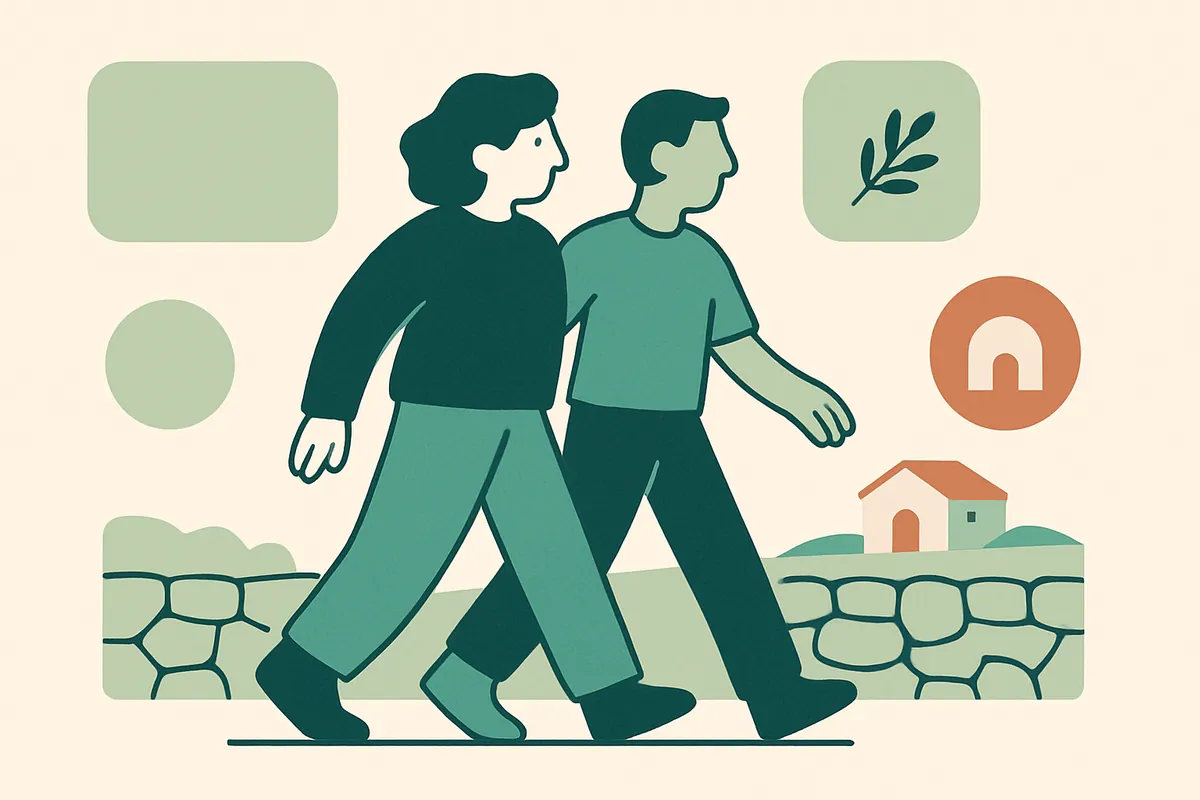
Holistic therapy for anxiety treats the whole person, it addresses not just anxious thoughts or physical symptoms of anxiety, but also your lifestyle, habits, and emotional patterns. Instead of focusing on a single issue, it aims to restore balance across your physical, mental and emotional health. Holistic therapy is grounded in the belief that the mind and body are deeply connected. It explores how unresolved emotional pain can manifest physically, and how factors like food, sleep, and stress levels affect your mental well-being. A holistic therapist might work with you to examine your personal history, relationships, support systems, and day-to-day habits.
How Holistic Therapy Differs from Other Treatments
Conventional anxiety treatments, like anti-anxiety medication and Cognitive Behavioural Therapy (CBT), often focus on managing symptoms and targeting specific thoughts or behaviours. While effective for many, they may not address the broader factors contributing to anxiety and stress. Holistic therapy takes a more integrative approach, considering other wellness factors like nutrition, sleep hygiene, hormones, and motivation. It often includes complementary therapies, such as mindfulness meditation, acupuncture, and evidence-informed complementary practices that support relaxation.
How Holistic Treatment for Anxiety Works
Rather than replacing traditional talk therapy, holistic treatment for anxiety can complement it in a treatment plan. The following holistic therapy techniques focus on sustainable changes that promote lasting relief, self-awareness, and a greater sense of control:
Mindfulness Meditation
Mindfulness teaches you how to stay grounded in the present moment. Through simple practices like breath awareness or guided self-reflection, you can learn to observe your thoughts instead of reacting to them immediately. Over time, this can reduce your heightened emotional reactivity and help you respond more calmly when anxiety arises. A 2023 systematic review involving 355 older adults found that mindfulness-based meditation treatments were effective in reducing anxiety symptoms. The findings suggest that mindfulness is a promising approach for managing anxiety in later life.
Nutritional Support
What you consume can have a strong influence on how you feel and think. A well-balanced diet filled with whole foods supports brain health and emotional stability. Nutrients such as omega-3 fatty acids, magnesium, and B vitamins play important roles in supporting brain function and may contribute to mood regulation. At the same time, limiting processed foods, sugar, and excessive caffeine can help manage anxiety spikes as part of a broader lifestyle approach.
Healthy Lifestyle
Engaging in regular physical activity, whether it's walking, jogging, dancing, or gentle stretching, helps release endorphins or the brain's natural "feel-good" hormones that boost mood and help reduce anxiety. Prioritising restful sleep and sticking to a consistent daily routine can create a sense of stability, which is essential for anxiety management.
Body-Based Therapies
Anxiety often lingers in the body as muscle tightness, shallow breathing, or physical restlessness. Body-based therapies help release these tensions and reconnect you with your body in a supportive, healing way. Massage therapy can also relieve chronic muscle strain, while acupuncture may assist in modulating the nervous system and influencing stress-related physiological responses, which may help lower stress and anxiety.
Breathing Exercises
One of the simplest yet most powerful tools for managing anxiety is your breathing. Slowing your breathing signals safety to the body, helping to calm anxiety. Practical strategies, such as diaphragmatic breathing or box breathing, can alleviate feelings of panic or overwhelm. This helps slow racing thoughts and promotes a sense of composure.
Relaxation Techniques
Relaxation techniques such as progressive muscle relaxation, where you systematically tense and release muscle groups, can help ease physical tension. Guided imagery, which involves visualising quiet and peaceful scenes, helps soothe the mind and relieve anxiety. These practices are simple to learn and can be used anytime feelings of anxiety surface.
Getting Started with Holistic Treatment to Reduce Anxiety
Holistic therapy is a highly personalised treatment that evolves around your needs. Below is an overview before you begin your journey:
Personalised Assessment and Planning
No two people experience anxiety in the same way. Holistic therapy begins with a thorough evaluation that evaluates your personal history, strengths, and challenges. During the initial phase, you and your provider will analyse your emotional patterns, sources of stress, and physical health. The goal is to uncover what's contributing to your anxiety, not just the symptoms. A mental health professional will develop a treatment plan that reflects your unique needs. In some cases, lab work may be advised to rule out underlying physical conditions that may be influencing your mental state.
Combining Therapy and Anxiety Medication
Holistic therapy works best when combined with different forms of anxiety treatment. This may include individual counselling, group therapy, and medications like SSRIs (Selective Serotonin Reuptake Inhibitors), which are commonly prescribed to treat both anxiety and depression. Creative therapies such as art and music can also support emotional expression and stress relief. Research consistently supports the use of complementary and integrative methods to help reduce anxiety and improve stress management.
Monitoring Progress and Adjusting as Needed
Healing is not always linear. As you work through your recovery, you may notice certain approaches are more effective than others. Regular check-ins, either through therapy sessions or self-monitoring tools, can help track your emotional shifts and physical changes. If something isn't working well with you, you have the flexibility to adjust your plan and tell your provider about it. Holistic therapy is dynamic and not rigid. It evolves with your growth and circumstances, ensuring your treatment continues to meet your needs as they change over time.

Worried about anxiety?
Most people wait far longer than they needed to. A short, confidential conversation costs you nothing and will tell you where you actually stand.
What is the Root Cause of Anxiety?
Anxiety usually doesn't have a single cause. It can develop in anyone and be triggered by ongoing stress, major life changes, unresolved trauma, or negative thinking patterns. Relationship issues, unhealthy coping mechanisms, and chronic health problems also play a role. Other contributing factors include a family history of anxiety, genetics, environmental pressures at work, school, or home and physical aspects, such as poor sleep, hormonal imbalances, or inadequate nutrition, all of which can make anxiety worse or harder to manage.
Treat Anxiety at Sierra Recovery
Studies show that people struggling with anxiety are more likely to develop substance use disorders or addiction. This creates a complex cycle where each condition can fuel the other, making it harder to manage both without professional support. At Sierra Recovery, we provide comprehensive treatment for addiction and mental health concerns, including anxiety. Through holistic therapy and evidence-based care, healing becomes not just possible but sustainable. You don't have to endure this alone. Lasting recovery begins here
Last reviewed 2026-07-25. Next review 2027-07-25.

Still weighing it up?
Ask us the awkward questions: what it costs, what is included, and whether treatment abroad is genuinely the right call for anxiety.
Questions people actually ask
What are the most effective non-pharmacological treatments for managing anxiety?
CBT is one of the most effective non-medication treatments for anxiety, helping individuals identify and change negative thinking patterns. Other approaches include mindfulness, regular physical activity, yoga, and deep breathing exercises, all of which promote relaxation and reduce stress over time.
How can a holistic approach benefit individuals with both depression and anxiety?
A holistic approach considers physical, emotional, and social factors, aiming to help address the root causes of depression and anxiety. By integrating therapy, lifestyle changes, nutrition, physical activity, and stress-reduction techniques, it supports long-term mental health improvement and encourages healthier daily habits.
Which alternative treatments have been proven beneficial for anxiety relief?
Alternative therapies such as meditation, acupuncture, massage therapy, and aromatherapy have proven effective in reducing anxiety. Creative therapies such as art and music therapy also offer emotional expression and stress relief.
Can holistic therapy be used alongside medication for anxiety?
Yes, you can use holistic therapy along with anxiety medication. While medication helps ease symptoms, holistic therapy focuses on your overall well-being, like sleep, stress, diet, and emotions. Using both together may help you feel better and manage anxiety more effectively.
How does St John's Wort act as a treatment for anxiety disorders?
St John's Wort is primarily used for mild to moderate depression, with limited evidence supporting its effectiveness for anxiety. It can interfere with many medications and cause side effects, so it's essential to consult a doctor before using it for any mental health condition.
What are considered the best therapeutic practices for alleviating anxiety?
The best therapeutic methods for anxiety include counselling, regular exercise, and relaxation techniques like meditation and deep breathing. Maintaining a healthy lifestyle, along with balanced sleep, nutrition, and social support, also plays a key role.
What does a holistic assessment for anxiety involve?
It begins with a thorough evaluation of your personal history, strengths and challenges. You and your provider look at emotional patterns, sources of stress and physical health, with the aim of understanding what is contributing to your anxiety rather than only the symptoms. In some cases lab work may be advised to rule out underlying physical conditions. The plan that follows is built around your particular needs.
Which breathing techniques help with anxiety?
Slowing your breathing signals safety to the body, which helps calm anxiety. Diaphragmatic breathing and box breathing are two practical techniques that can ease feelings of panic or overwhelm, slow racing thoughts and restore a sense of composure. They cost nothing and can be used anywhere. They sit comfortably alongside other relaxation methods such as progressive muscle relaxation and guided imagery.
Does diet affect anxiety?
What you eat influences how you feel and think. A well-balanced diet built on whole foods supports brain health and emotional stability, and nutrients such as omega-3 fatty acids, magnesium and B vitamins play a part in brain function and may contribute to mood regulation. Limiting processed foods, sugar and excessive caffeine can help manage anxiety spikes as part of a broader lifestyle approach.
What causes anxiety in the first place?
Anxiety usually has no single cause. It can be triggered by ongoing stress, major life changes, unresolved trauma or negative thinking patterns, and relationship difficulties, unhelpful coping habits and chronic health problems all contribute. Family history, genetics and environmental pressures at work, school or home play a part too, as do physical factors such as poor sleep, hormonal imbalances and inadequate nutrition.
Is there a link between anxiety and addiction?
There is a recognised link. People struggling with anxiety are more likely to develop substance use disorders or addiction, and the two conditions can fuel each other, making both harder to manage without professional support. If you notice yourself using alcohol or drugs to settle anxiety, that is worth raising with a health professional. Treatment that addresses anxiety and substance use together tends to be more sustainable.
 +
+
Talk to a clinician today
You will speak to our admissions team, English-speaking clinicians who know the programme and the people in it. Callback within 24 hours.
Registered health centre. Authorised by the Junta de Andalucía, N.I.C.A. 67331.