
Checked for clinical accuracy on 24 November 2025. Next review due November 2026. This article is general information and is not a substitute for advice about your own situation.
Alcohol withdrawal symptoms usually begin 6 to 12 hours after your last drink, become most severe between 48 and 72 hours, then start easing by days five to seven. Most mild to moderate symptoms clear within a week, although fatigue and sleep trouble can linger. Severe symptoms, including delirium tremens, tend to last between five and fourteen days and need medical supervision. Emotional effects can continue for weeks or months afterwards.
Before you go further, a safety note
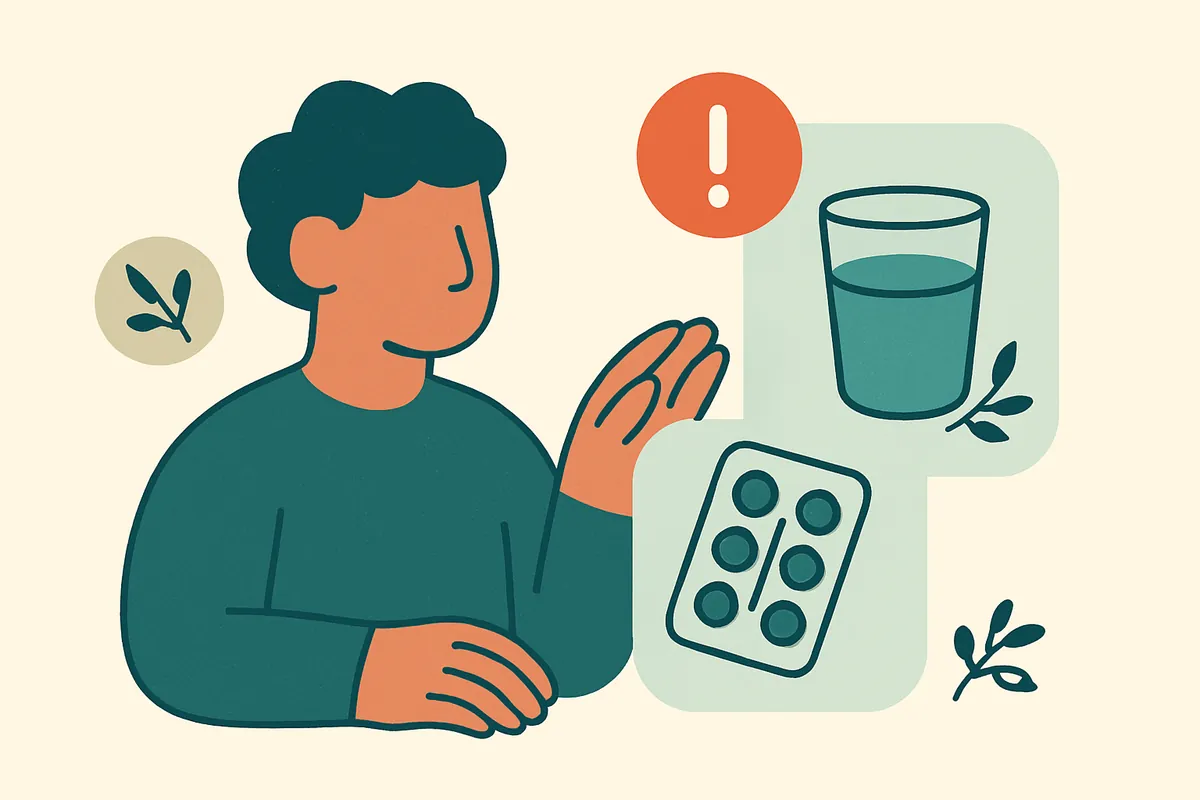
If you are physically dependent on alcohol or on benzodiazepines such as diazepam or alprazolam, do not stop taking them suddenly. Sudden withdrawal from either can cause seizures and can be life threatening. A medically supervised withdrawal is the safe route, and your GP can arrange one.
In an emergency call 999 in the UK, or 112 anywhere in Europe. For urgent advice that is not an emergency, NHS 111 is available in England around the clock.
Detox is usually the first step in alcohol addiction treatment, but when you stop drinking after regular or heavy alcohol use, your body has to adjust to life without it. This process, alcohol withdrawal, can bring a range of symptoms. How long does alcohol withdrawal last? That depends on various factors, including your individual health and the amount of alcohol you've consumed.
What Is Alcohol Withdrawal?
When you stop or cut back on heavy drinking, your body reacts to the sudden lack of alcohol, and you experience withdrawal symptoms. These changes happen because your brain and nervous system have gotten used to regular alcohol and now have to restore balance.
Understanding Alcohol Dependence
Alcohol dependence develops when your brain and body adapt to frequent drinking. Over time, alcohol tweaks the levels of neurotransmitters that control mood, sleep, and how you feel in your own skin. You might notice it's tough to relax or function without a drink. Alcohol use disorder (AUD) brings patterns of craving, tolerance, and withdrawal that can be hard to get through. Long-term alcohol abuse can affect your liver, heart, and brain, raising your health risks before withdrawal even starts and increasing the time it takes to detox from alcohol.
What Causes Alcohol Withdrawal?
With heavy drinking, alcohol slows your brain by boosting the calming neurotransmitter GABA and dialling down the excitatory chemical glutamate. Your brain tries to compensate by lowering GABA sensitivity and increasing glutamate. When you suddenly stop drinking, this delicate balance is thrown off. Without alcohol's sedative effect, your nervous system overworks itself, causing tremors, sweating, nausea, and anxiety.
Alcohol Withdrawal Syndrome Overview
Alcohol withdrawal syndrome (AWS) is the name for the group of symptoms that show up after you stop or cut down on drinking. Symptoms usually manifest within 6 to 12 hours and can linger for several days. Severe AWS might bring hallucinations, confusion, or seizures. The most dangerous stage, delirium tremens, usually appears 48 to 72 hours after your last drink and needs immediate medical attention.
Alcohol Withdrawal Symptoms
The severity of alcohol withdrawal is often proportional to the severity of alcohol addiction. When you stop drinking, your body and mind react to the sudden absence of something they've come to rely on. These reactions can be mild, or they can be serious, and sometimes even life-threatening.
Common Physical Symptoms
How long does alcohol withdrawal last? Mild symptoms may begin within 6 to 24 hours. You might first notice tremors, sweating, headaches, or nausea as your nervous system gets overactive without alcohol's calming effect. Many individuals also deal with vomiting, loss of appetite, insomnia, and alcohol cravings. Other things that might manifest include rapid heartbeat, high blood pressure, and those unmistakable shaky hands. These usually peak in a couple of days, then start to ease. Most mild to moderate symptoms of withdrawal clear up within a week, but fatigue and sleep trouble can linger.
Psychological and Emotional Symptoms
Your mood can change fast during withdrawal. Anxiety, irritability, and mood swings are common as your brain tries to find its footing without alcohol. You might feel restless, edgy, or overwhelmed. Depression and low motivation are also possible. Some people get vivid dreams or nightmares, especially if sleep is already an issue. These mental and emotional effects can outlast the physical ones, and sometimes, you'll need extra support.
Severe and Life-Threatening Symptoms
Sometimes, withdrawal can become dangerous. Severe withdrawal symptoms can include seizures, hallucinations, or delirium tremens (DTs), which usually show up 48 to 72 hours after your last drink and bring confusion, fever, and a racing heart. Drinkaware acknowledges it as a serious form of alcohol withdrawal. These are medical emergencies, no question about it. If you're shaking uncontrollably, totally disoriented, or seeing or hearing things that aren't there, get help right away. The worst symptoms tend to last between five and fourteen days. Medical supervision is crucial during this window.
Alcohol Withdrawal Timeline and Duration
How long does alcohol withdrawal last? Alcohol withdrawal follows a pattern, but it's really personal. It starts with early physical symptoms, reaches a critical stage after a couple of days, and sometimes leaves you with lingering mental and emotional effects for weeks or even months.
Initial Symptoms: First 6 to 12 Hours
You could start feeling symptoms as soon as six hours after your last drink. Early signs include anxiety, headache, tremors, sweating, nausea, and insomnia. Your heart rate and blood pressure may get higher, and restlessness or irritability can make sleep difficult. Mild withdrawal is usually manageable, but things can escalate if you've been drinking heavily for a long time.
Acute Withdrawal: 12 to 72 Hours
Between 12 and 72 hours, things can get severe. You might face hallucinations, seizures, confusion, or extreme agitation. This is when the risk of dangerous complications is highest, especially if you've gone through withdrawal before or have other health issues. Having medical supervision at this point matters because complications can be sudden.
Peak and Resolution: 3 to 7 Days
Most people hit peak symptoms between 48 and 72 hours, then things start to improve. Physical symptoms like nausea, tremors, and sweating are usually the first to fade, but sleep and mood issues can persist. By days five to seven, most of the acute symptoms ease. Still, if you've been drinking heavily for years, withdrawal can be longer.
Post-Acute Withdrawal Syndrome (PAWS)
After the physical symptoms settle down, you might hit a longer phase called post-acute withdrawal syndrome (PAWS). It can include anxiety, depression, irritability, trouble focusing, and difficulty sleeping. PAWS can last weeks, sometimes months, depending on your health and history. It happens because your brain chemistry is still recalibrating after all that alcohol.
Factors Influencing Withdrawal Duration
How long does alcohol withdrawal last? How long and hard withdrawal affects you depends on a bunch of things: how much and how long you've been drinking, your health, and whether you've done this before. Everyone's body and brain react a bit differently.
Severity of Alcohol Use
The more severe your drinking, the tougher withdrawal can be. People with long-term alcohol dependence or alcohol use disorder usually get hit harder, since their bodies are so used to alcohol. Years of heavy drinking can rewire your nervous system. When you quit, your body struggles to find balance, and symptoms like tremors, anxiety, and even seizures can show up.
Individual Health and Demographics
Your overall health makes a difference. If your liver is healthy, you're eating well, and your mental health is stable, your withdrawal might be milder and shorter. Poor nutrition or liver problems can slow down your withdrawal. Age and gender matter as well. Older adults process alcohol more slowly and face more risks. Women sometimes get stronger symptoms because of body composition and metabolism differences.
Previous Withdrawal Experiences
If you've gone through withdrawal before, your body might react more intensely the next time. Multiple detoxes can actually increase the risk of severe symptoms. Each time, your nervous system gets more sensitive to the lack of alcohol. That's why medical pros usually recommend supervised detox if you've done this before.

Is someone you love drinking too much?
Families are usually the first to see it and the last to be asked. Talk to a clinician about what you are seeing, in confidence and with no obligation.
Treatment for Alcohol Withdrawal
Recovering safely from alcohol withdrawal really depends on medical supervision, structured detox programs, and ongoing psychological support. You're a lot safer when you combine medication, professional monitoring, and counselling during and after detox.
Importance of Medical Detox
Medical detox gives you a controlled environment where healthcare pros keep an eye on your vitals and help manage symptoms. Trying to detox on your own can be risky, especially if your drinking history is heavy or you have other health issues. With medical supervision, your care team can react quickly if you develop severe symptoms like seizures or delirium tremens. Detox facilities usually offer 24-hour monitoring and emergency care.
Medications for Alcohol Withdrawal
Doctors typically prescribe benzodiazepines, like lorazepam, to help with anxiety, tremors, and seizure risk. These medications work by calming overactive brain activity that happens during withdrawal. Sometimes, your doctor might add anticonvulsants or beta-blockers to address things like high blood pressure or an erratic heartbeat. Dosing is closely watched to avoid any new dependencies or unpleasant side effects.
Counselling and Support Resources
After alcohol detox, counselling is essential for tackling the emotional effects of alcohol misuse. Your treatment programme may include individual therapy, group sessions, or even family counselling. Support groups like Alcoholics Anonymous (AA) offer a space to share and receive encouragement from people who understand alcohol addiction. Therapists can walk you through relapse prevention and help you rebuild your routine.
Long-Term Recovery and Sobriety
How long does alcohol withdrawal last? Getting through detox and staying sober isn't just about willpower; it's a combination of effort, self-reflection, and having the right support. Quitting alcohol use takes time, and it's rarely a straight line.
Transitioning to Sobriety
Once detox concludes, your body starts to settle down after experiencing alcohol withdrawal, and you may have lingering emotional effects. Sleep, mood, and energy can be unpredictable as your brain chemistry finds its new normal. Establishing a daily routine helps. Regular meals, enough rest, and some light exercise can do wonders. Medical check-ups and more counselling can contribute towards long-term sobriety.
Managing Long-Term Symptoms
You could still deal with anxiety, tiredness, or disrupted sleep after the end of physical withdrawal. These post-acute symptoms can linger for weeks or even months, and sometimes they may appear seemingly out of nowhere. Eating well and adhering to a sleep schedule can help. If things don't improve, it's worth talking to a healthcare professional.
Support for Ongoing Recovery
It's impossible to overstate the value of ongoing support. Groups like Alcoholics Anonymous let you connect with others who understand what you're going through. Regular therapy can give you tools to handle stress and spot trouble before it gets big. A good therapist will help you notice those early warning signs. Stages of Alcohol Withdrawal
Last reviewed 2026-07-25. Next review 2027-07-25.

Talk to a clinician today
You will speak to our admissions team, all of them clinicians. Confidential, no obligation, and we will tell you honestly whether our programme fits.
Questions people actually ask
What is the typical duration of symptoms associated with withdrawing from alcohol?
Usually, you'll feel early symptoms like tremors, nausea, and anxiety about 6 to 12 hours after your last drink. The worst of it tends to hit between 48 and 72 hours, then starts to ease up after 5 to 7 days.
Can you describe the timeline for the stages of alcohol withdrawal?
Sweating and restlessness can start within hours. Between 24 and 72 hours, things can get rougher, sometimes with confusion or even seizures. Physical symptoms usually calm down within a week, but mood swings and sleep issues might linger.
What factors influence the length of time an individual experiences withdrawal from alcohol?
How much and how long you've been drinking, your age, and your general health all matter. If you've gone through withdrawal before or have other medical issues, that can change things, too.
Are there any treatments available to alleviate the symptoms of alcohol withdrawal?
Doctors often use medications like benzodiazepines to keep anxiety, tremors, and seizures in check. You might also get fluids, vitamins, or nutrition support. Professional treatment can make detox safer and a bit less miserable.
How do withdrawal symptoms vary between individuals detoxing from alcohol?
Some people just feel unstable and irritable, while others might have hallucinations or serious complications like delirium tremens. It comes down to your body chemistry, how much you drank, and your health. Symptoms can vary from one person to another.
What are the potential risks if alcohol withdrawal is not properly managed?
If someone tries to quit drinking without medical support, things can get dangerous fast. Severe withdrawal might trigger seizures or even delirium tremens, which can be life-threatening. Dehydration is another risk. Complications tend to show up quickly, especially for people who've been heavy drinkers for a long time.
Why does alcohol withdrawal happen at all?
Heavy drinking slows the brain by boosting the calming neurotransmitter GABA and dialling down the excitatory chemical glutamate. Your brain compensates by lowering GABA sensitivity and increasing glutamate. When you suddenly stop drinking, that balance is thrown off and your nervous system overworks itself, which is what produces tremors, sweating, nausea and anxiety.
What is delirium tremens and when does it appear?
Delirium tremens is the most dangerous stage of alcohol withdrawal and usually appears 48 to 72 hours after your last drink, bringing confusion, fever and a racing heart. Severe withdrawal can also involve seizures and hallucinations. These are medical emergencies. If someone is shaking uncontrollably, disoriented, or seeing or hearing things that are not there, get help right away.
Does withdrawal get worse if you have been through it before?
It can. If you have gone through withdrawal before, your body might react more intensely the next time, and multiple detoxes can increase the risk of severe symptoms because the nervous system becomes more sensitive to the lack of alcohol. This is why medical professionals usually recommend a supervised detox if you have detoxed previously.
What is post-acute withdrawal syndrome after alcohol?
After the physical symptoms settle down, some people enter a longer phase called post-acute withdrawal syndrome. It can include anxiety, depression, irritability, trouble focusing and difficulty sleeping, and it can last weeks or sometimes months depending on your health and history. It happens because your brain chemistry is still recalibrating. Eating well and keeping a sleep schedule helps.
What medications are used during alcohol withdrawal?
Doctors typically prescribe benzodiazepines, such as lorazepam, to help with anxiety, tremors and seizure risk, because they calm the overactive brain activity that happens during withdrawal. Anticonvulsants or beta-blockers may be added to address high blood pressure or an erratic heartbeat. Dosing is closely watched to avoid new dependencies or unpleasant side effects.

 +
+
Talk to a clinician today
You will speak to our admissions team, English-speaking clinicians who know the programme and the people in it. Callback within 24 hours.
Registered health centre. Authorised by the Junta de Andalucía, N.I.C.A. 67331.