

Checked for clinical accuracy on 12 December 2025. Next review due December 2026. This article is general information and is not a substitute for advice about your own situation.
Treatment for alcohol withdrawal usually combines medication with supportive care under medical supervision. Benzodiazepines such as diazepam and lorazepam are commonly used to lower seizure risk and ease agitation, alongside fluids, thiamine, electrolytes and other supplements. Staff monitor symptoms using structured scoring tools and adjust care as things change. Do not stop drinking suddenly on your own; ask a doctor to arrange a supervised withdrawal.
Before you go further, a safety note
If you are physically dependent on alcohol or on benzodiazepines such as diazepam or alprazolam, do not stop taking them suddenly. Sudden withdrawal from either can cause seizures and can be life threatening. A medically supervised withdrawal is the safe route, and your GP can arrange one.
In an emergency call 999 in the UK, or 112 anywhere in Europe. For urgent advice that is not an emergency, NHS 111 is available in England around the clock.
If you stop drinking after long-term use, you may face uncomfortable and sometimes dangerous alcohol withdrawal symptoms. The safest way forward is with medical care, where the right treatment for alcohol withdrawal symptoms can reduce risks and ease recovery. This guide explains what to expect and why expert support makes all the difference.
What Are the Symptoms of Alcohol Withdrawal?
Most people who stop drinking after long-term or heavy alcohol use begin to experience withdrawal symptoms within hours. Common withdrawal symptoms include:
- Anxiety
- Tremors
- Sweating
- Nausea
- Headaches
- Difficulty sleeping
- Heart palpitations
- Blood pressure changes
- Depression
- Restlessness
- Agitation
- Fatigue In rare but serious cases, hallucinations and severe agitation may appear. Knowing different symptoms helps people prepare and, more importantly, encourages them to seek medical advice if their symptoms of alcohol withdrawal become overwhelming.
Alcohol Withdrawal Timeline and Stages
The timeline of alcohol withdrawal is important because symptoms often unfold in predictable stages. For many, the first signs appear just 6 to 12 hours after the last drink. During the first 48 hours, you may notice mild alcohol withdrawal symptoms such as anxiety, nausea, headaches, increased heart rate, or sweating. For some, sleep becomes difficult, and feelings of restlessness start to set in. By day two or three, the severity of withdrawal may intensify. Tremors become more noticeable, and confusion or agitation can surface. These are considered severe withdrawal signs that require careful monitoring. In people with severe alcohol dependence, the process may last longer, with lingering insomnia or mood changes. The course of withdrawal is different for everyone, but most symptoms peak around days 2 to 3. Some alcohol-related effects, like sleep disturbances or mood swings, can persist for weeks even after the acute stage passes.
What Causes Alcohol Withdrawal Symptoms?
When you've been drinking heavily for a long time, your system learns to function with alcohol present, and removing it can trigger overwhelming reactions. Understanding this helps explain why some people experience alcohol withdrawal more intensely than others.
Alcohol Dependence and Neurochemical Changes
With regular drinking, the central nervous system becomes used to the depressant effects of alcohol. Alcohol increases the calming influence of GABA while reducing the stimulating effects of glutamate. Over time, the brain adjusts by lowering its own GABA production and ramping up glutamate. When you suddenly stop drinking, this balance collapses. The brain struggles to calm itself without alcohol, which can bring on alcohol withdrawal symptoms like anxiety, restlessness, agitation, or even a seizure. Those dependent on alcohol or living with an alcohol use disorder face the highest risks. Alcohol dependence can reshape brain cells and pathways, making the causes of alcohol withdrawal symptoms both complex and dangerous.
Who Is at Risk?
Several factors can raise the risk of experiencing alcohol withdrawal. Long-term, heavy alcohol use, especially daily drinking, is one of the strongest contributors, and people who have gone through previous withdrawal episodes or detox attempts are more vulnerable. A family history of alcoholism and starting to drink at a younger age also increases susceptibility. Drinking large amounts of alcohol in a short time, such as during binge drinking, adds further risk. The likelihood is even higher for those diagnosed with alcohol use disorder, while certain groups, such as older adults, women, and people who drink on an empty stomach, may face more severe symptoms. Stress, poor nutrition, and lack of sleep can intensify withdrawal and make recovery more difficult.
Complications and Pre-Existing Conditions
Some health issues make alcohol withdrawal a lot more dangerous. Conditions like liver disease, brain lesions, dehydration, and electrolyte imbalances put you at increased risk. Withdrawal can also worsen chronic illnesses like heart disease or mental health disorders. Those with co-occurring mental health problems or a history of seizures are at higher risk for severe complications like delirium tremens. If you've had repeated withdrawals or medical problems, withdrawal might lead to confusion, hallucinations, or life-threatening seizures. Complicated alcohol withdrawal always calls for hospital care and close monitoring.
Alcohol Withdrawal Assessment and Diagnosis
Getting an accurate diagnosis of alcohol withdrawal syndrome is an important step in keeping you safe. Healthcare professionals use structured tools and careful clinical judgment to understand what you're going through.
Clinical Institute Withdrawal Assessment for Alcohol
The Clinical Institute Withdrawal Assessment for Alcohol (CIWA) is a scoring system used by healthcare professionals to measure symptoms of alcohol withdrawal. CIWA is popular because it helps track how your condition changes over time. The CIWA-Ar (revised version) covers 10 items, checking for symptoms like nausea, tremors, sweating, anxiety, agitation, and confusion. Each symptom gets a score from 0 to 7, except for orientation, which is scored from 0 to 4. A low CIWA score (below 8) usually means your symptoms are mild. Scores between 8 and 15 suggest moderate withdrawal, while anything over 15 signals severe symptoms. Staff can adjust your treatment as needed based on your CIWA score.
Diagnostic Criteria and Severity Measurement
Diagnosing Alcohol Withdrawal Syndrome (AWS) means a careful clinical assessment by a healthcare provider. Diagnosis is based on your recent drinking history and the symptoms you show after stopping or cutting back. Key symptoms include tremors, sweating, rapid heartbeat, insomnia, nausea, anxiety, and sometimes confusion or seizures. These should show up within a few hours to several days after your last drink. Healthcare professionals use diagnostic criteria like those in the DSM-5, making sure your symptoms aren't caused by something else. Severity is also measured by how much your symptoms affect your daily life.
Treatment for Alcohol Withdrawal Symptoms
Alcohol withdrawal can be dangerous, especially for people with a long history of heavy drinking. Proper treatment for alcohol withdrawal symptoms can lower your risk of serious complications and boost your chances of a safe recovery.
When and Where to Seek Medical Supervision
You should get medical supervision if you've had seizures, confusion, hallucinations, or other severe symptoms during previous withdrawals. Medical detox in a hospital or specialised inpatient treatment centre is recommended if you're at high risk of serious side effects or have other health problems. For milder symptoms, withdrawal can sometimes be managed with outpatient treatment or intensive outpatient programmes. However, we never recommend trying to detox at home. Partial hospitalisation programmes can offer extra support if you don't need 24-hour care.
Medications for Alcohol Withdrawal Symptom Relief
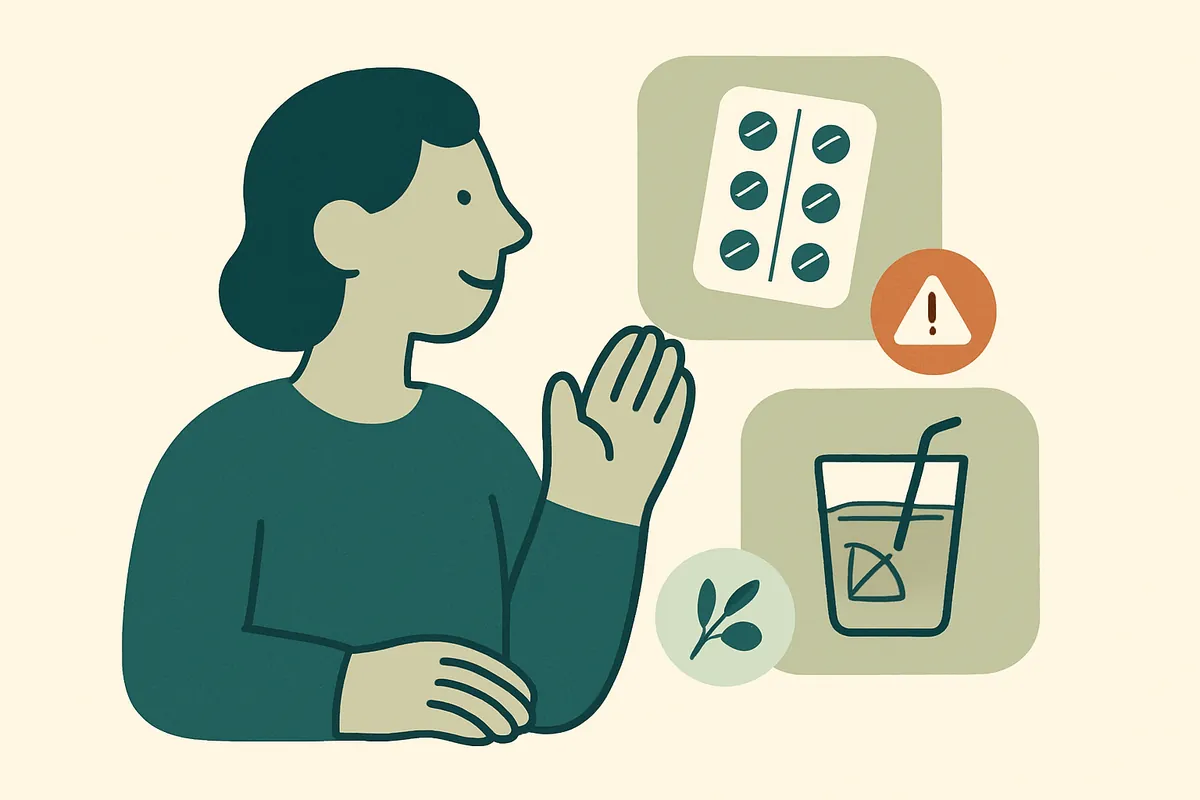
One of the most effective strategies for treating alcohol withdrawal is medication. Benzodiazepines, such as diazepam and lorazepam, are often used to lower the risk of seizures and ease agitation. Different doses of benzodiazepines are tailored to your needs, and they remain the gold standard for the management and treatment of withdrawal. Research supports their use. A review of 64 studies with more than 4,000 participants found that benzodiazepines clearly helped protect against seizures during alcohol withdrawal syndrome. The review also showed they may be more effective than other drugs in preventing delirium tremens and severe complications. Other medications may also help. These include carbamazepine to reduce the likelihood of a seizure, anticonvulsants for support, and clonidine to reduce alcohol-related blood pressure spikes. Your doctor may also prescribe medication for alcohol cravings after detox to help you stay on track. Options like naltrexone, disulfiram, or acamprosate are part of longer-term treatment programmes that support sobriety.
Supportive Care and Nutritional Supplements
Supportive care is just as important as medication in the management of alcohol withdrawal. A calm, structured environment and regular monitoring can help reduce risks and provide reassurance. Common supportive options include:
- IV Fluids and Hydration Support: Restores balance and helps if vomiting or sweating has caused fluid loss.
- Thiamine (vitamin B1): Given to prevent Wernicke-Korsakoff syndrome, a brain disorder linked to long-term drinking.
- Electrolyte Replacement: Stabilises the body and lowers risks tied to mineral imbalances.
- Magnesium and Vitamin C: Support overall healing and strengthen immune and nervous system health.
- General Multivitamins: Rebuild depleted reserves from a poor diet or prolonged heavy drinking. Sometimes, supplements are given by injection at first for a faster effect, then switched to oral tablets later in recovery. This supportive approach strengthens both body and mind, making it easier to move forward after the challenges of alcohol withdrawal.

Ready to find out whether your drinking needs treatment?
A clinician will go through your situation with you before anything is booked, and will say honestly if we are the wrong place for you.
Recovery, Relapse Prevention, and Support After Withdrawal
Staying sober after alcohol withdrawal requires ongoing support, healthy routines, and a plan that matches your needs.
Long-Term Treatment Options
After the treatment of alcohol withdrawal, many people benefit from structured programmes that support lasting sobriety. In Partial Hospitalisation Programmes (PHPs), you'll go through High-intensity daytime medical and therapeutic care, with nights spent at home. Outpatient therapy sessions are lower-intensity and provide continued guidance and accountability. Doctors sometimes prescribe a medication to help manage urges, which can make it easier to stay sober long-term.
Peer Support and Therapy
Recovery often feels easier with encouragement from others. Groups like Alcoholics Anonymous (AA) provide a safe, welcoming environment where you can share experiences and find hope. Alcohol support networks also help you feel less isolated during tough times. Professional counselling or group therapy adds another layer of strength. A behavioural therapy for alcohol programme can uncover the reasons behind drinking, address the effects of alcohol on mental health, and give you tools to handle stress without turning back to old habits.
Lifestyle Modifications for Sustained Recovery
Practical lifestyle changes are powerful in preventing relapse. Building healthy habits after withdrawal helps protect you from the triggers that once led to drinking. Helpful strategies include exercise, physical activity, and a balanced diet. Stress management techniques, like meditation or mindfulness, also help with recovery. Marking milestones along the way, like celebrating each sober month, also reinforces progress. These changes create a foundation for a healthier future after alcohol dependency or long-term alcohol use.
Treat Alcohol Dependency at Sierra Recovery
Every person's story is different, and so is every recovery journey. Here at Sierra Recovery, our approach goes beyond medical care. We combine proven treatments with compassionate support, creating a safe environment where you can begin to heal physically, emotionally, and mentally. With 24/7 medical oversight, therapies tailored to your needs, and ongoing encouragement, our team is here to make sure you never face this process alone. Reaching out for help can be the hardest step, but it's also the most powerful one. If you're ready to do so, Sierra Recovery is more than happy to help you. Let us help you move through withdrawal safely and build a future free from alcohol. Reach out to us to know more
Last reviewed 2026-07-25. Next review 2027-07-25.

What treatment for alcohol addiction actually looks like
Twenty eight days residential in the Malaga countryside, at a price published in full, with the assessment done before you travel rather than after you arrive.
Questions people actually ask
What medical interventions are available for managing withdrawal symptoms?
Doctors often use medications like benzodiazepines to help prevent seizures and calm severe agitation. Sometimes they'll add anticonvulsants or antipsychotics, depending on your symptoms. You might also get intravenous fluids or vitamins such as thiamine to keep things safe and comfortable.
Can you outline a typical care plan for someone undergoing alcohol detox?
A care plan starts with a thorough assessment and close monitoring of both your physical and mental health. Doctors might prescribe medication to help manage withdrawal symptoms. You may also get fluids and nutrients through an IV. The setting is kept calm and safe, which definitely helps when you're not feeling your best.
Can alcohol withdrawal affect sleep in the long term?
Yes, sleep issues can persist for weeks or even months after alcohol withdrawal. While acute withdrawal symptoms may fade, your brain and body may still take time to rebalance, leading to insomnia or vivid dreams. Sleep gradually improves as recovery continues, especially with healthy routines and ongoing support.
How long do cravings for alcohol last after withdrawal?
A craving for alcohol may continue long after the body has healed from the acute phase. These cravings are tied to both brain chemistry and emotional triggers. With therapy, medications, and alcohol support groups, cravings usually become less intense and easier to manage over time.
How does alcohol withdrawal impact mental health?
Beyond physical discomfort, many people notice mood swings, depression, or anxiety during and after withdrawal. These aren't signs of weakness. They're part of how the brain reacts when adjusting without alcohol. Mental health support, including therapy and peer groups, can make this stage much easier to manage.
What role does family support play in recovery?
Having loved ones involved in your recovery can provide emotional stability and accountability. Families who learn about the symptoms of alcohol withdrawal and participate in counselling often create a more supportive environment, reducing the chance of relapse and improving long-term outcomes.
How soon do alcohol withdrawal symptoms usually start?
For many people the first signs appear 6 to 12 hours after the last drink. The first 48 hours may bring anxiety, nausea, headaches, a faster heart rate or sweating. Most symptoms peak around days 2 to 3, when tremors, confusion or agitation can surface. Some effects, such as disturbed sleep or mood swings, can linger for weeks after the acute stage passes.
What is the CIWA score and why does it matter?
The Clinical Institute Withdrawal Assessment for Alcohol is a scoring system used to measure withdrawal symptoms and track how they change over time. The revised version covers 10 items, including nausea, tremors, sweating, anxiety, agitation and confusion. A score below 8 usually means mild symptoms, 8 to 15 suggests moderate withdrawal, and above 15 signals severe symptoms. Treatment is adjusted as the score changes.
Who is most at risk of severe alcohol withdrawal?
Risk rises with long-term, heavy or daily drinking, previous withdrawal episodes, a family history of alcoholism and starting to drink young. Binge drinking adds further risk, and people diagnosed with alcohol use disorder are more vulnerable still. Liver disease, dehydration, electrolyte imbalances, a history of seizures or co-occurring mental health problems make complications such as delirium tremens more likely, so close monitoring is needed.
Is it safe to detox from alcohol at home?
We do not recommend detoxing at home. Milder withdrawal can sometimes be managed through outpatient or intensive outpatient care, and partial hospitalisation can add support if you do not need round-the-clock care. If you have had seizures, confusion or hallucinations in a previous withdrawal, or you have other health problems, medical detox in a hospital or specialist inpatient setting is advised. Speak to your doctor first.
Which supplements and fluids are given during alcohol withdrawal?
Supportive care often includes intravenous fluids to restore balance after vomiting or sweating, and thiamine, or vitamin B1, to prevent Wernicke-Korsakoff syndrome. Electrolyte replacement steadies the body, while magnesium and vitamin C support healing and nervous system health. General multivitamins help rebuild reserves depleted by a poor diet or prolonged heavy drinking. Supplements are sometimes given by injection first, then switched to tablets.

 +
+
Talk to a clinician today
You will speak to our admissions team, English-speaking clinicians who know the programme and the people in it. Callback within 24 hours.
Registered health centre. Authorised by the Junta de Andalucía, N.I.C.A. 67331.