
Checked for clinical accuracy on 21 January 2026. Next review due January 2027. This article is general information and is not a substitute for advice about your own situation.
Alcohol poisoning happens when you drink more alcohol than your body can process, and blood alcohol reaches a level that interferes with breathing, heart rhythm and temperature. Treat it as a medical emergency. Warning signs include slow or irregular breathing, being unconscious or hard to wake, seizures, and pale, bluish or clammy skin. Call emergency services straight away, keep the person warm, and use the recovery position if they are unconscious but breathing.
Before you go further, a safety note
If you are physically dependent on alcohol or on benzodiazepines such as diazepam or alprazolam, do not stop taking them suddenly. Sudden withdrawal from either can cause seizures and can be life threatening. A medically supervised withdrawal is the safe route, and your GP can arrange one.
In an emergency call 999 in the UK, or 112 anywhere in Europe. For urgent advice that is not an emergency, NHS 111 is available in England around the clock.
Drinking a large amount of alcohol can come with numerous drawbacks, one of which is an overdose, similar to other substances. The dangers of alcohol poisoning can be fatal, but it doesn't have to be the case. Knowing the signs and what to do can make a difference between recovery and the worst-case scenario.
What Is Alcohol Poisoning?
Alcohol poisoning occurs when you drink more alcohol than your body can safely process. It affects your breathing, heart rate, and temperature and can render you unconscious. This isn't something that builds up slowly; it can quickly become a medical emergency and needs urgent care.
Definition and Overview
Alcohol poisoning (sometimes called an alcohol overdose) occurs when your blood alcohol concentration (BAC) gets so high that it becomes toxic. At that point, the level of alcohol in your system begins interfering with crucial functions like your breathing and heart rhythm. Usually, it's the result of drinking a lot in a short amount of time. The liver is unable to keep up, so alcohol floods your system and slows everything down. Symptoms can include confusion, vomiting, slow or irregular breathing, seizures, and even passing out.
How Alcohol Affects the Body
Your liver's function is to break down alcohol, but it doesn't do so quickly. Most people can only process about one unit of alcohol an hour. Drink faster, and your BAC increases. A high BAC halts critical functions such as breathing, heart, and temperature. If it gets bad enough, you could stop breathing or lose consciousness.
Difference Between Alcohol Poisoning and Intoxication
Alcohol intoxication is basically being drunk, having slurred speech, stumbling, and making bad decisions. It usually gets better as your body processes the alcohol. Alcohol poisoning occurs when your blood alcohol levels are dangerously high, and your body starts shutting down.
What Causes Alcohol Poisoning
Alcohol poisoning happens when your BAC climbs to toxic levels, overwhelming your body's ability to keep up. The main culprits are drinking large amounts of alcohol in a short time, mixing alcohol with other substances, and personal factors like your size, age, and tolerance.
Binge Drinking and High-Intensity Drinking
Binge drinking is one of the most prevalent reasons people end up with alcohol poisoning. That's typically five or more drinks for men or four or more for women in about two hours. Drinking so much alcohol in a short time increases your risk. This can lead to vomiting, slow breathing, or even passing out. Eating something first, pacing yourself, or drinking water in between might lower the risk of alcohol poisoning, but they're not guaranteed.
Mixing Alcohol with Other Substances
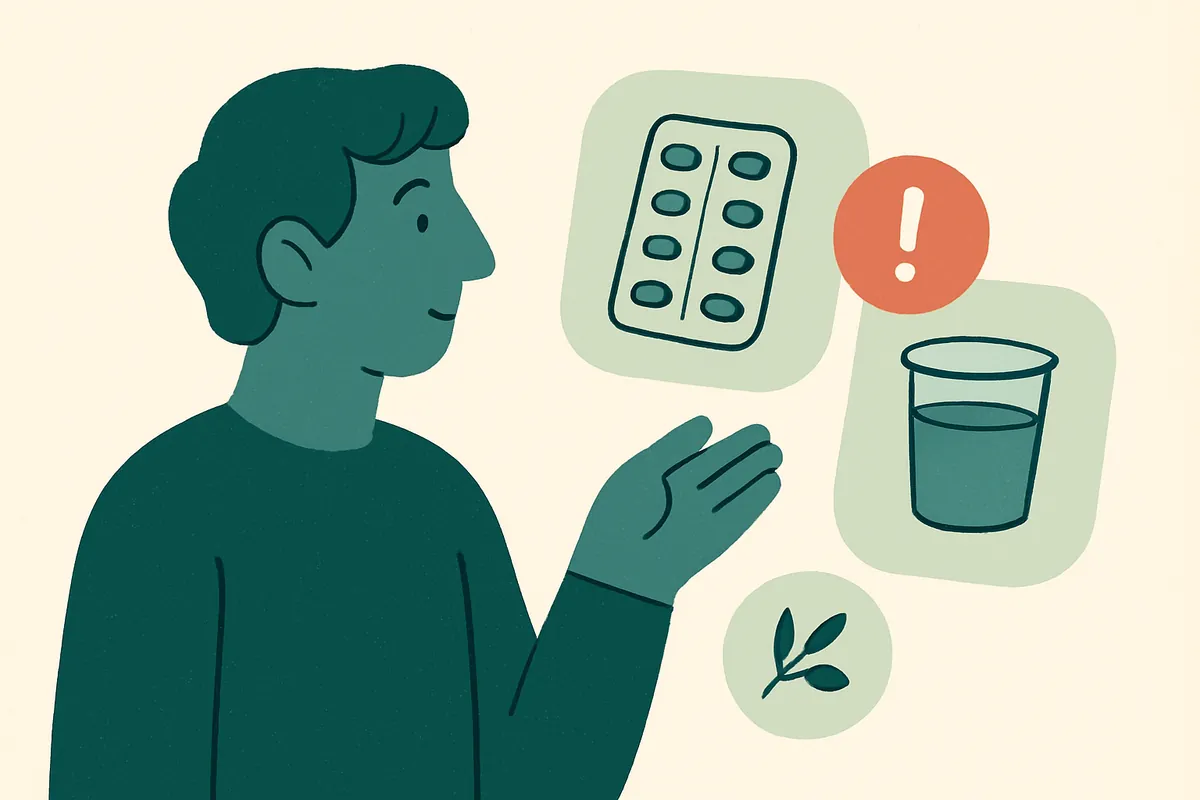
Drinking alcohol with medication or other drugs can also lead to alcohol poisoning. Depressants like opioids, benzodiazepines, or sleep aids slow your breathing and heart rate, and combining them with alcohol can turn deadly. Even mixing alcohol with aspirin can have unwanted effects. Stimulants (cocaine, energy drinks) can make you feel more awake than you actually are, so you might end up drinking way more than you realise. It's easy to lose track and develop alcohol poisoning.
Individual Risk Factors
Everyone processes alcohol differently. Things like body weight, sex, and age all play a part in how fast your BAC climbs. Smaller or younger people usually hit higher BACs with fewer drinks. People with long-term alcohol use disorder may often have a higher tolerance, which can put them at greater risk for alcohol poisoning Women generally have less body water and lower levels of the enzyme that breaks down alcohol, so they end up absorbing more alcohol. Health issues are also a factor. Liver disease, dehydration, or just being exhausted can slow down how fast you process alcohol, making poisoning more likely.
Signs and Symptoms of Alcohol Poisoning
Critical Symptoms to Recognise
Treat alcohol poisoning as a medical emergency. Call emergency services right away if you spot any of these:
- Slow or irregular breathing, fewer than eight breaths a minute, or long pauses.
- Unconsciousness or trouble waking up.
- Seizures (often from low blood sugar or brain disruption).
- Pale, bluish, or clammy skin, a sign of poor oxygen flow.
Physical and Behavioural Indicators
Before things get severe, you might notice slurred speech, clumsiness, or confusion. These are early warnings that alcohol use is already affecting the brain. If things keep getting worse, vomiting is common.
Progression of Symptoms
Alcohol poisoning symptoms can get worse as more alcohol enters your bloodstream. What starts as confusion and poor balance can turn into stupor, vomiting, or not responding at all. If it keeps progressing, breathing and heart rate might slow to dangerous levels. Body temperature drops, sometimes dangerously low. Seizures or total loss of consciousness can happen.

Is someone you love drinking too much?
Families are usually the first to see it and the last to be asked. Talk to a clinician about what you are seeing, in confidence and with no obligation.
What to Do for Someone with Alcohol Poisoning
Experiencing alcohol poisoning is a medical emergency. You need to identify the warning signs, get help, and do what you can to keep the person safe while you wait for help to arrive. Sometimes, just keeping their airway clear or stopping them from choking can make all the difference when someone has alcohol poisoning. The National Health Service has a number of recommendations for such scenarios.
When to Seek Medical Help
Call emergency services right away if someone shows signs of alcohol poisoning. Alcohol poisoning can cause confusion, vomiting, slow or irregular breathing, seizures, or loss of consciousness. When you call, be clear about what's happening, how much alcohol, any other substances, and exactly what symptoms you're seeing. Follow whatever instructions the operator gives you.
Immediate Actions to Take
While waiting for help, your main job is to keep them safe and stable. If they're awake, have them sit up and drink water if they can. Keep them warm with a coat or blanket. Don't give them coffee or more alcohol. Do not try to make them throw up or put them in a cold shower. If they pass out, check their breathing and put them in the recovery position.
The Recovery Position
If they're unconscious but breathing, get them into the recovery position to keep their airway clear and lower the risk of choking. - Kneel beside them. - Straighten their legs, put the nearest arm at a right angle. - Bring the far arm across their chest, hand against their cheek. - Bend the far knee, roll them onto their side. - Tilt their head back a bit to open the airway. Keep checking their breathing. If they stop, and you know how, start CPR until help arrives.
Treatment and Hospital Care
Alcohol poisoning means you'll need fast, careful treatment from medical professionals in a hospital. The focus is on keeping you breathing, maintaining circulation and temperature, and stopping more alcohol from getting into your system.
Monitoring and Supportive Care
Throughout treatment, healthcare staff keep a close eye on your vital signs. They'll also check your blood alcohol concentration and blood glucose pretty regularly, since low sugar isn't unusual after heavy drinking. You might get thiamine (vitamin B1) and glucose via IV, mainly to help protect your brain from Wernicke's encephalopathy. To lower the risk of choking, staff will make sure your airway stays clear.
Recovery and Prognosis
Once things settle down, doctors keep monitoring until your vital signs and mental state look steady again. Sometimes you'll need to stay in the hospital, just in case any withdrawal symptoms or other issues appear. They may also recommend rehab options for alcohol abuse. 8 Tips To Quit Drinking
Last reviewed 2026-07-25. Next review 2027-07-25.

Talk to a clinician today
You will speak to our admissions team, all of them clinicians. Confidential, no obligation, and we will tell you honestly whether our programme fits.
Questions people actually ask
What are the signs and symptoms of alcohol overdose?
You might see confusion, vomiting, seizures, slow or weird breathing, or even loss of consciousness. Sometimes skin goes pale or bluish, especially the lips or under the nails. These are red flags that your body's overwhelmed by alcohol.
How much alcohol consumption is typically necessary to cause poisoning?
There is no set amount. It varies depending on your age, weight, sex, how quickly you're drinking, and whether you've eaten. Even what seems like a small amount, if taken fast, can be dangerous. Drinking faster than your body can process increases risk.
What immediate steps should be taken if someone is suspected of having an alcohol overdose?
Call emergency services right away. Stay with the person and keep them upright if they're awake, or put them in the recovery position if they're unconscious. Don't give them coffee, more alcohol, or try to make them throw up.
Can alcohol poisoning have long-term health effects?
It can. Severe cases might lead to brain damage, liver issues, or heart problems. If it happens more than once, your chances of chronic illness increase. Even after you recover, it can take some time to feel normal again.
What is the difference between being drunk and alcohol poisoning?
Being drunk means you're impaired, but your body's still functional. Alcohol poisoning is a different thing entirely; blood alcohol gets so high that your body starts shutting down functions like breathing and your heartbeat. That's a medical emergency.
How can alcohol poisoning be prevented?
Drinking slowly, grabbing a bite before or during drinks, and switching out alcohol for water every so often can make a difference. It's wise to steer clear of binge drinking.
What counts as binge drinking?
Binge drinking is generally described as five or more drinks for men, or four or more for women, within about two hours. It is a very common route to alcohol poisoning, because drinking that much in a short window pushes blood alcohol up faster than the liver can keep pace. Eating beforehand, pacing yourself and alternating with water may lower risk, but nothing removes it.
How do I put someone in the recovery position?
If they are unconscious but breathing, kneel beside them, straighten their legs and place the nearest arm at a right angle. Bring the far arm across the chest with the hand against the cheek, bend the far knee and roll them onto their side. Tilt the head back slightly to open the airway. Keep checking their breathing, and if it stops and you are trained, start CPR.
What happens in hospital after alcohol poisoning?
Care focuses on keeping breathing, circulation and body temperature stable and stopping more alcohol entering the system. Staff monitor vital signs closely and check blood alcohol concentration and blood glucose regularly, since low blood sugar is not unusual after heavy drinking. Thiamine and glucose may be given by drip to help protect the brain from Wernicke's encephalopathy, and the airway is kept clear to lower the risk of choking.
Why does mixing alcohol with other drugs raise the risk?
Depressants such as opioids, benzodiazepines and sleep aids slow breathing and heart rate, and combining them with alcohol can be deadly. Even mixing alcohol with aspirin can have unwanted effects. Stimulants such as cocaine or energy drinks work the other way, making you feel more awake than you actually are, so it becomes easy to lose track and drink far more than you realise.
Why do some people reach alcohol poisoning on less alcohol than others?
Everyone processes alcohol differently. Body weight, sex and age all shape how quickly blood alcohol climbs, and smaller or younger people often reach higher levels on fewer drinks. Women generally have less body water and lower levels of the enzyme that breaks alcohol down, so they absorb more of it. Liver disease, dehydration or plain exhaustion also slow processing and raise the risk.
 +
+
Talk to a clinician today
You will speak to our admissions team, English-speaking clinicians who know the programme and the people in it. Callback within 24 hours.
Registered health centre. Authorised by the Junta de Andalucía, N.I.C.A. 67331.