

Last checked for clinical accuracy on 30 June 2025. This article is general information and is not a substitute for advice about your own situation.
Stopping drinking at home starts with changing the environment: clear alcohol out of the fridge and cupboards, plan shopping so it does not come back in, and swap the usual routine for something else. Alcohol-free drinks, regular meals, plenty of water and a tracking app or journal all help. Detoxing at home without medical supervision carries real risk, so speak to a doctor before you attempt it.
Before you go further, a safety note
If you are physically dependent on alcohol or on benzodiazepines such as diazepam or alprazolam, do not stop taking them suddenly. Sudden withdrawal from either can cause seizures and can be life threatening. A medically supervised withdrawal is the safe route, and your GP can arrange one.
In an emergency call 999 in the UK, or 112 anywhere in Europe. For urgent advice that is not an emergency, NHS 111 is available in England around the clock.
Whether it's a glass of wine after work or a few drinks to relax in your room, alcohol can easily become a regular part of your daily routine. Over time, though, it can take a toll on one's health and well-being. If you're ready to stop drinking, change begins in your immediate surroundings. In this article, we'll guide you through practical and effective ways to reduce or quit alcohol from the comfort of your own home.
Effective Ways to Avoid Drinking at Home
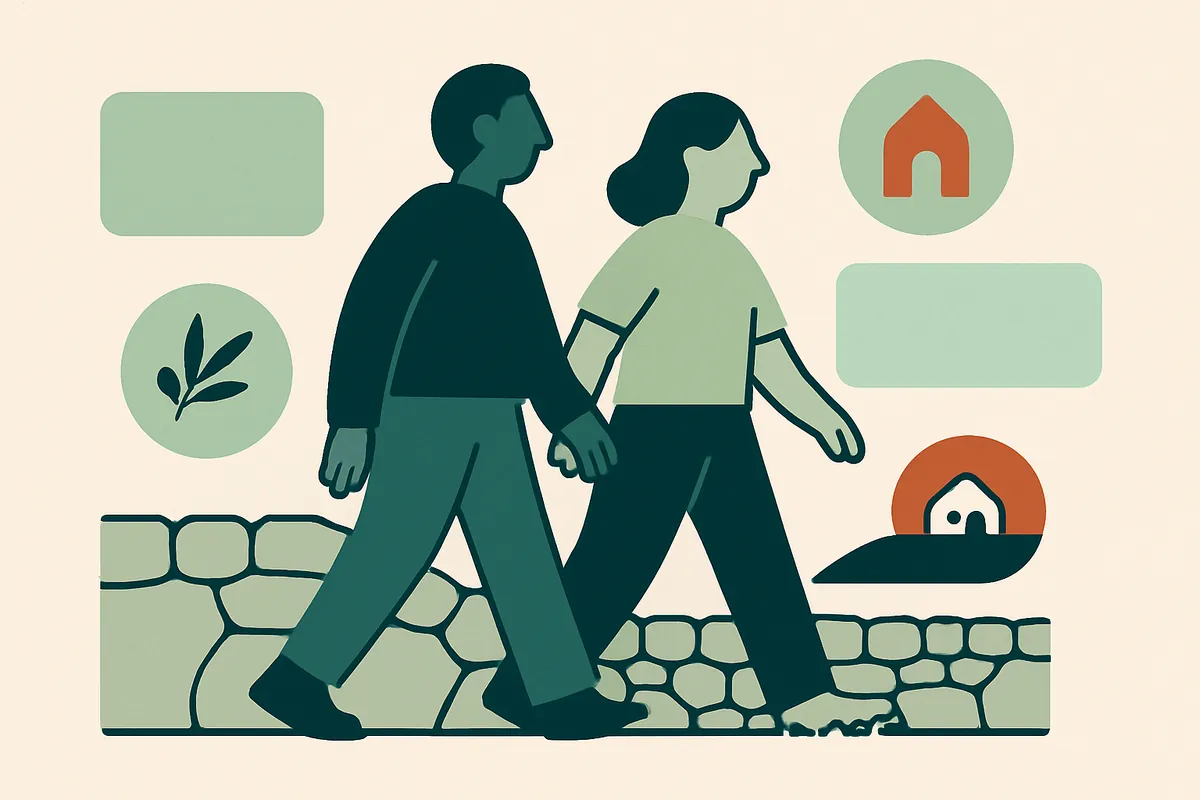
Avoiding alcohol can be challenging, but taking small steps to modify your environment can make a big difference. Here are some practical strategies to help you stay in control of your alcohol consumption at home.
Remove Alcohol from Your Space
Keeping alcohol out of your sight reduces the urge and impulse to drink, especially during moments of distress and boredom. Emptying your fridge and cupboards of alcoholic drinks eliminates easy access and helps in your intention to cut back.
Mind What You Buy
Once you've cleared alcohol from your living space, it's time to be mindful of what you bring home. Plan your grocery trips, create a list in advance and stick to it as much as possible. Avoid the alcohol section in the market and explore healthier food and drink options.
Switch to a Smaller Container
If you feel unready to quit entirely, you can limit your alcohol intake slowly instead. Smaller glasses or single-serve bottles can help you cut down without feeling constrained. This technique promotes self-awareness, accountability, and control management.
Eat Enough Calories
It's easier to drink more and more when you're on an empty stomach, so always make sure you're not skipping meals or eating poorly. Maintain a balanced diet with plenty of fruits, vegetables, whole grains, and protein to keep your body energised and fit.
Keep Hydrated
Sometimes, when you feel the urge to consume alcohol, you're actually just thirsty. Stay hydrated by drinking at least 8 to 10 glasses of water daily and keeping a water bottle nearby. This can lessen the desire for other drinks and support overall health.
Try Alcohol-free Drinks
You don't have to give up the experience of downing something tasty. Many non-alcoholic options offer similar flavours, like mocktails and alcohol-free beers. These can satisfy your taste buds and fulfil whatever reasons you may have to reach for a drink.
Change Your Routine
Many people drink out of habit. If your routine includes pouring a drink after a schedule, try swapping that activity for something more productive. Engaging in regular physical activity, or simply calling a friend, can provide a sense of comfort without alcohol.
Track Your Progress
Use tracking apps or journals to set realistic goals, create new habits, and monitor your improvement. By doing so, you can identify triggers that contribute to your alcohol use and find ways to eradicate these harmful patterns to make meaningful changes.
How to Detox from Alcohol at Home
Detox refers to eliminating toxic substances from the body as the system adapts to normal functioning. While some individuals consider home detox for privacy, this method carries significant risks and is generally not recommended, especially for heavy drinkers or those with prolonged alcohol use. Understanding the detox timeline, home detox risks, and how to manage cravings during the process is essential before attempting to quit alcohol at home.
Alcohol Withdrawal Symptoms Timeline
Withdrawal symptoms typically begin as soon as 6 to 12 hours after the last drink. Early signs may include nausea, vomiting, irritability, insomnia, and sweating. These symptoms often intensify within the next 24 to 48 hours, and seizures may develop. In some cases, Delirium Tremens (DTs) or the most severe form of alcohol withdrawal, can emerge within 72 hours. This is a medical emergency and may involve life-threatening symptoms such as a dangerously rapid heart rate, extreme agitation, intense tremors, hallucinations, confusion, and disorientation. After the peak withdrawal phase, physical symptoms typically begin to subside, but psychological symptoms such as anxiety and depression may persist for weeks or longer.
Risks Associated with Detox at Home
Detox can feel overwhelming, particularly when experiencing withdrawal symptoms, emotional distress and physical discomfort. At-home detox with no medical supervision is quite risky. It should be approached with great caution, as it can cause severe symptoms, some of which may be fatal without immediate medical attention. While some individuals may successfully reduce their alcohol intake gradually through home-based strategies, it is essential to consult a medical professional before attempting any detox. The progression of withdrawal symptoms can be fast and unpredictable, and without proper guidance, the likelihood of adverse consequences only increases.
How to Manage Cravings During Alcohol Detox
Cravings can be intense, especially in the early stages of withdrawal, but they are often temporary and manageable. However, one wrong move can lead to relapse, so thoughtful planning is essential for controlling urges. Identifying and understanding triggers, such as stressful situations, specific people, or certain circumstances, can help individuals build awareness and avoid high-risk environments. Engaging in wholesome distraction techniques like exercise, mindfulness, or wellness activities can also redirect focus from cravings and support the development of new, healthy habits. Emotional support from trusted individuals, such as family members, friends, or others facing similar struggles, can provide comfort during difficult times. A strong support system and knowing someone is there to offer encouragement can make a noticeable impact. Consulting with a healthcare provider before and during detox also allows individuals to receive professional guidance, which may include evidence-based therapies and medications to ease the recovery process.
Treatment for Alcohol Dependence
Medical Detox
It's crucial to seek medical attention to manage withdrawal symptoms properly. A medically supervised detox presents the safest method possible to handle alcohol dependence, as it includes thorough evaluation, effective symptom management, and necessary prescriptions.
Therapy
Individual and group therapy are core elements in addressing mental health problems, particularly alcohol dependence. Through one-on-one and support group sessions with a therapist, a person can explore their concerns and gain valuable insight to support long-term sobriety.
Mental Health Treatment
Many individuals who have problems with alcohol also experience co-occurring mental health issues. By recognising the underlying causes of substance use, individuals can identify triggers and develop coping strategies for managing stress, anxiety, and other emotional challenges.
Residential Treatment
Residential treatment offers intensive care and 24/7 supervision for individuals with unmanageable health conditions. This level of care requires overnight stays and is designed to provide a safe, structured environment away from the triggers and distractions that can impede recovery.

Is someone you love drinking too much?
Families are usually the first to see it and the last to be asked. Talk to a clinician about what you are seeing, in confidence and with no obligation.
Get Help Today
If you or a loved one is struggling with alcohol use or needs support for alcohol addiction, Sierra Recovery is here for you. We offer world-class treatment coupled with our sincere dedication to serving you. You're not alone, and you don't have to be. Healing is within reach. Get Help for Alcohol Addiction
Last reviewed 2026-07-25. Next review 2027-07-25.

Talk to a clinician today
You will speak to our admissions team, all of them clinicians. Confidential, no obligation, and we will tell you honestly whether our programme fits.
Questions people actually ask
What are safe methods to stop drinking alcohol completely?
Stopping alcohol use safely involves two main approaches: tapering off gradually under medical supervision, or quitting cold turkey. Tapering reduces the risk of dangerous withdrawal symptoms, while cold turkey may be appropriate for light or moderate drinkers, but it can be hazardous for those with heavier use
What are the symptoms of alcohol withdrawal, and when do they occur?
Withdrawal symptoms can begin 6 to 12 hours after your last drink with anxiety, headaches, nausea, and sweating. Over 12 to 48 hours, symptoms may intensify, including tremors and insomnia. Severe symptoms like seizures or delirium tremens can appear within 48 to 72 hours
How long does alcohol withdrawal typically last?
Mild symptoms tend to peak around 2 to 3 days and usually subside after 5 to 7 days. Although physical symptoms often resolve within one to two weeks, psychological effects, including cravings, may persist and require ongoing support .
How can you manage alcohol withdrawal at home?
Plan ahead by preparing healthy meals, staying hydrated, tracking symptoms, and avoiding triggers. Engage in distraction activities like light exercise or hobbies. However, heavy or dependent drinkers should only attempt home tapering with medical guidance to avoid complications
Is medical supervision necessary when quitting alcohol?
Yes. Medical supervision is crucial, especially for those with long-term or heavy alcohol use. Withdrawal symptoms can escalate quickly, tapering under supervision significantly reduces risk. Repeated cold-turkey attempts can intensify future withdrawals due to the "kindling" effect
How do I stop alcohol being within easy reach at home?
Emptying the fridge and cupboards of alcoholic drinks removes easy access and reduces the urge to reach for something during boredom or distress. After that, plan grocery trips, write a list in advance and stick to it, and steer clear of the alcohol aisle. If you are not ready to stop entirely, smaller glasses or single-serve bottles can help you cut down gradually.
How can I manage cravings while cutting down?
Cravings are often intense early on, but they tend to be temporary. Identify what sets them off, whether that is stress, certain people or particular situations, and avoid high-risk environments where you can. Distraction helps: exercise, mindfulness or other wellness activities redirect attention and build new habits. Emotional support from family, friends or others going through something similar makes a noticeable difference, and a healthcare provider can advise on further options.
Does drinking water actually reduce the urge to drink alcohol?
It can help. Sometimes the urge to drink is thirst rather than a craving, so staying hydrated takes that trigger out of play. Aim for around eight to ten glasses of water a day and keep a bottle nearby. Eating properly matters too, because drinking tends to escalate on an empty stomach. A balanced diet with fruit, vegetables, whole grains and protein keeps energy steadier.
What is delirium tremens and when can it happen?
Delirium tremens is the severe form of alcohol withdrawal and can emerge within 72 hours. It is a medical emergency and may involve a dangerously rapid heart rate, extreme agitation, intense tremors, hallucinations, confusion and disorientation. Because withdrawal can progress quickly and unpredictably, anyone considering stopping after heavy or prolonged drinking should speak to a medical professional first rather than attempting it alone.
Do the psychological effects go away when the physical ones do?
Not always. After the peak withdrawal phase, physical symptoms usually begin to subside, but psychological symptoms such as anxiety and depression can persist for weeks or longer. That is one reason ongoing support matters after the initial stage. Individual and group therapy help people explore what sits underneath the drinking, and treatment that addresses co-occurring mental health issues alongside alcohol use tends to be more useful than treating either alone.

 +
+
Talk to a clinician today
You will speak to our admissions team, English-speaking clinicians who know the programme and the people in it. Callback within 24 hours.
Registered health centre. Authorised by the Junta de Andalucía, N.I.C.A. 67331.