Home / Cost of rehab / Belgium
The cost of rehab in Belgium
How Much Does Rehab Cost in Belgium?
What addiction treatment actually costs in Belgium, from free public helplines and reimbursed community care to private residential prices, and how treatment abroad compares, with real services and sources.
Checked for accuracy on 28 July 2026. Next review due July 2027. This page is general information about our programme and is not a substitute for advice about your own situation.
You do not have to pay privately to get help with drugs and alcohol in Belgium. Free helplines and community mental-health services exist, and residential care in recognised hospitals is largely covered through your sickness fund (mutualité / ziekenfonds). Private residential rehab in Belgium runs from roughly €5,000 to €20,000 for four weeks on published directories, covering both alcohol rehab and drug rehab needs, higher at the luxury end. Treatment abroad can cost less than a private Belgian stay. Below is the real picture on rehab costs in Belgium, in order, whether you are dealing with drug and alcohol rehab, alcoholism, alcohol addiction or drug addiction.
Stopping alcohol or benzodiazepines abruptly can be dangerous if you are physically dependent, severe drug or alcohol withdrawal can cause seizures. Get medical advice first. In a life-threatening emergency in Belgium call 112. For urgent out-of-hours medical advice, the GP on-call number is 1733, or speak to your own GP (huisarts / médecin généraliste).
The cost of rehab in Belgium, in order
The honest starting point is that the cheapest effective step is usually free, and for many people it is enough. Belgium has a strong public and community system, and treatment only becomes expensive when you move into private or high-comfort residential care. Whichever route you choose, addiction treatment commonly involves individual and group therapy, sometimes medication, and ongoing support for long-term recovery, so it helps to see the treatment options side by side before comparing prices.
Free and public options in Belgium
Start here. These are free or largely reimbursed, they are local, and for a great many people they are the right first step.
| Service | Language / area | Type | Setting | Cost | Access |
|---|---|---|---|---|---|
| De DrugLijn alcohol, drugs, medication, gambling, gaming | Dutch, Flanders | Public helpline | Phone, chat, email | Free | 078 15 10 20 |
| Infor-Drogues information, advice, guidance | French, Brussels & Wallonia | Public helpline | Phone, email | Free | 02 227 52 52 |
| Your GP + community mental-health centre CGG (Flanders) / SSM (Wallonia-Brussels) | Belgium-wide | Public / reimbursed | Community | Free or low cost | Via GP or sickness fund |
| AA & NA meetings | Belgium-wide | Mutual aid | Peer | Free | AA 02 511 40 30 (FR) · 03 239 14 15 (NL) |
Information checked 25 July 2026. De DrugLijn and Infor-Drogues are the recognised Dutch- and French-language information lines. Community mental-health centres (CGG / SSM) and your GP are the main access routes to reimbursed treatment, and mutual-aid groups run alongside any care at no cost.
Who each free service is for
De DrugLijn and Infor-Drogues give anonymous, confidential information and advice, protecting your privacy, including on the stress and practical worries around drug and alcohol use, and can point you to local services, including self-tests and online self-help. Your GP is the gateway to the reimbursed system: assessment, medical support, community treatment, and referral to a recognised hospital or specialist centre where that is the right step. Community mental-health centres (CGG in Flanders, SSM in the Brussels-Wallonia region) provide low-cost, reimbursed outpatient support (ambulatory care) for mental health issues and addiction recovery alike, often through cognitive behavioural therapy, individual therapy sessions or psychotherapy with a psychologist alongside your GP. AA and NA run free meetings across the country, in several languages, and matter for aftercare and staying sober once any structured treatment ends, supporting you through the risk of relapse alongside whatever else you choose. For most people, this is genuinely free rehab, and none of it needs to be paid for privately.
Private and residential rehab in Belgium: the honest reality
Belgium does have residential addiction treatment and drug rehabilitation options for substance use disorder and substance abuse, but it is worth being precise about how it works. Most inpatient rehab runs through recognised psychiatric hospitals with addiction units, accessed by GP referral and substantially covered through the public system and your sickness fund, and the level of care on offer is generally sound. Alongside these sit a small number of private rehab clinics offering additional rehab facilities. In practice, almost all of this care is delivered in Dutch or French, and dedicated English-speaking private residential rehab in Belgium is limited. If English-language treatment matters to you, that is a real consideration, and it is one reason some people look abroad.
If you go the private or high-comfort route, including luxury rehab, the figures below are indicative ranges from published directories and provider information for evidence-based rehab services, not quotations. Every centre sets its own fees, whether the focus is drug rehab, alcohol rehabilitation or another type of rehab, and reimbursement depends on whether a centre is state-recognised and on your health insurance cover.
Indicative costs by type of rehab
| Treatment | Indicative cost | Notes |
|---|---|---|
| Public / community care | Free or largely reimbursed | Via GP, community centre and sickness fund |
| Standalone detox | €1,500 – €4,000 | Withdrawal management only |
| Outpatient programme | €1,000 – €4,000 / month | Non-residential, day support |
| Private residential (4 weeks) | €5,000 – €20,000 | Higher at the luxury end |
Indicative ranges compiled from published directory and provider figures, dated 25 July 2026, to give a realistic sense of how much rehab costs at drug and alcohol rehab centres in Belgium, whether you need rehab for alcohol, drug abuse, or both. Not quotations. Where a centre is state-recognised, part of the cost is usually covered through the public system and your sickness fund, so what you actually pay can be far lower than the headline figure.
What changes the price so much? Largely the same factors as anywhere: whether a stay is state-recognised and therefore reimbursed, staff-to-patient ratios, the level of comfort and privacy in the accommodation, and whether the underlying issue is drug abuse, alcohol consumption, or a combination of drug and alcohol addiction that needs a longer length of stay. An alcohol and drug rehab that includes medical detox, individual and group therapy, and aftercare planning will typically cost more than a short outpatient programme, but it can also mean better long-term outcomes. Ask any centre exactly what is included in the cost, whether that is therapy sessions, medication, or aftercare support, before you compare figures.
Considering residential treatment abroad?
Sierra Recovery, Málaga, Spain
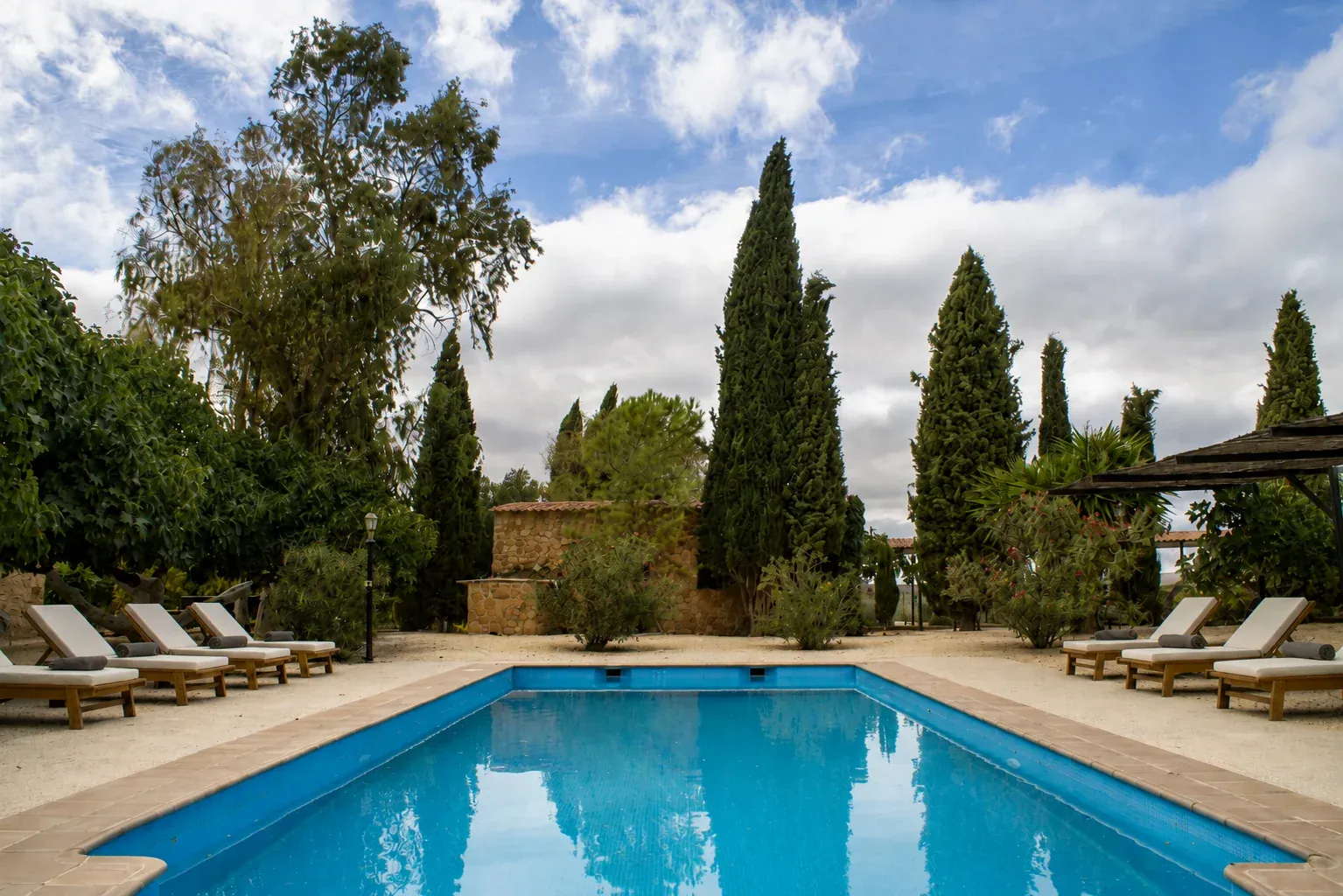
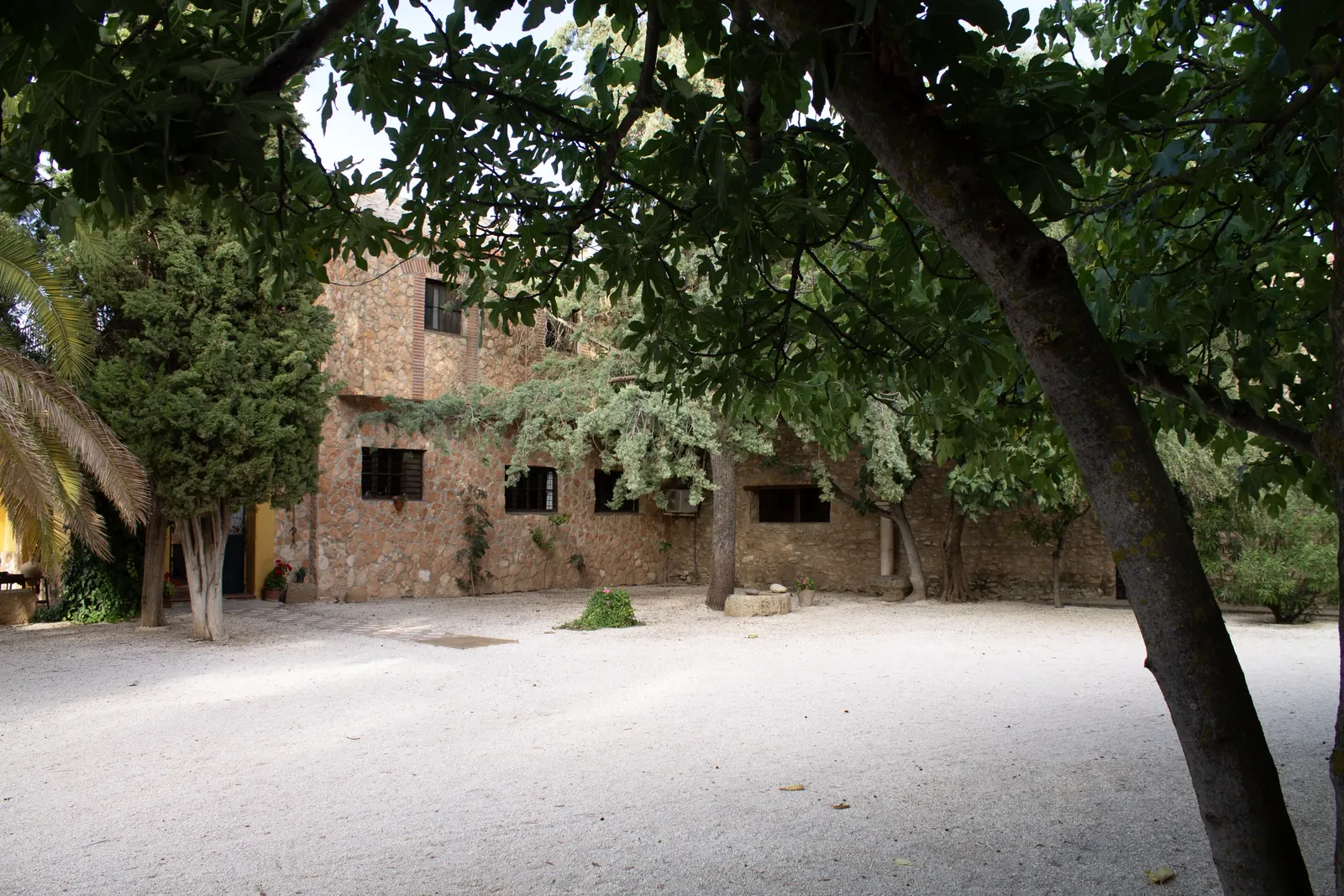
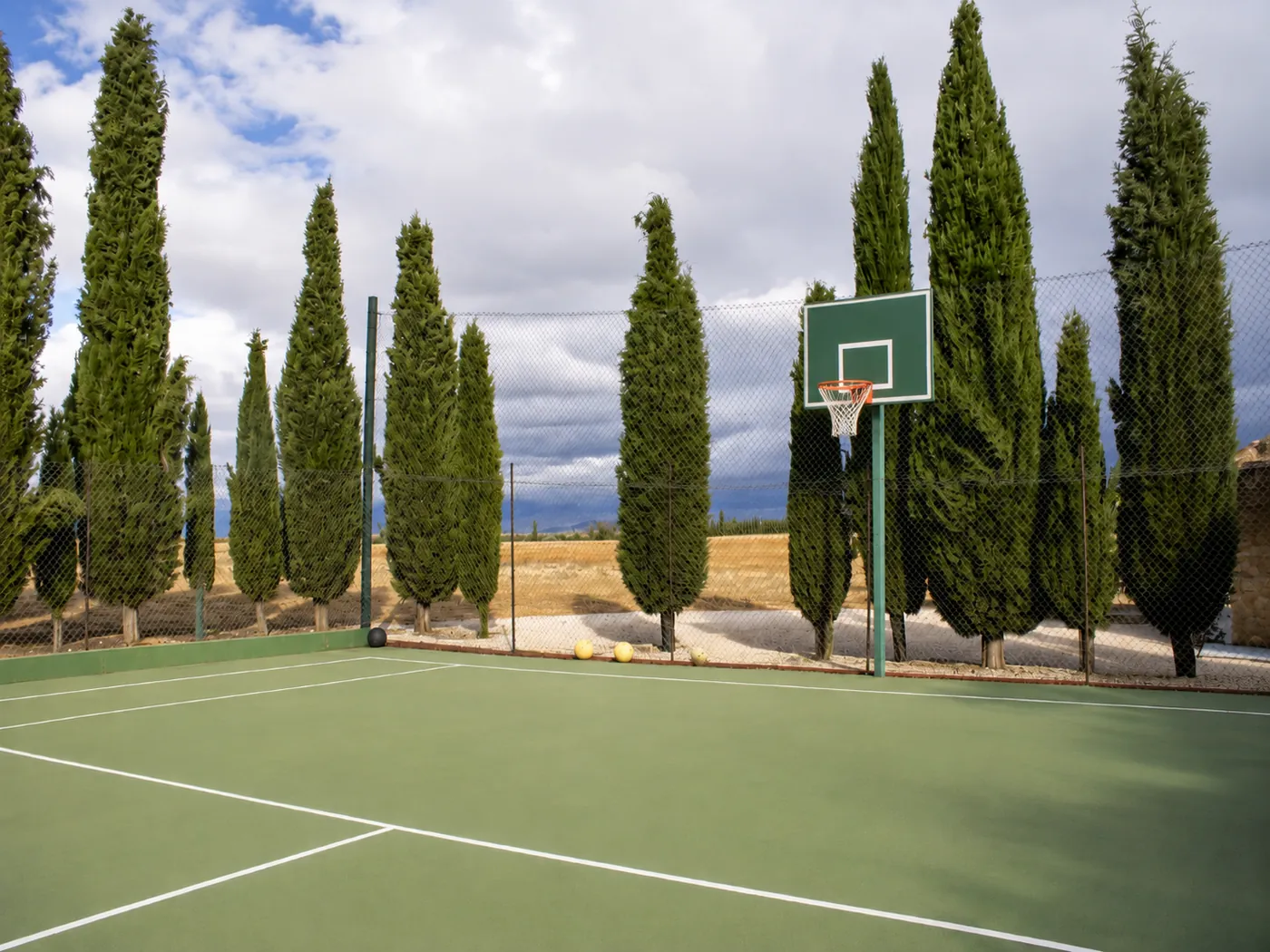
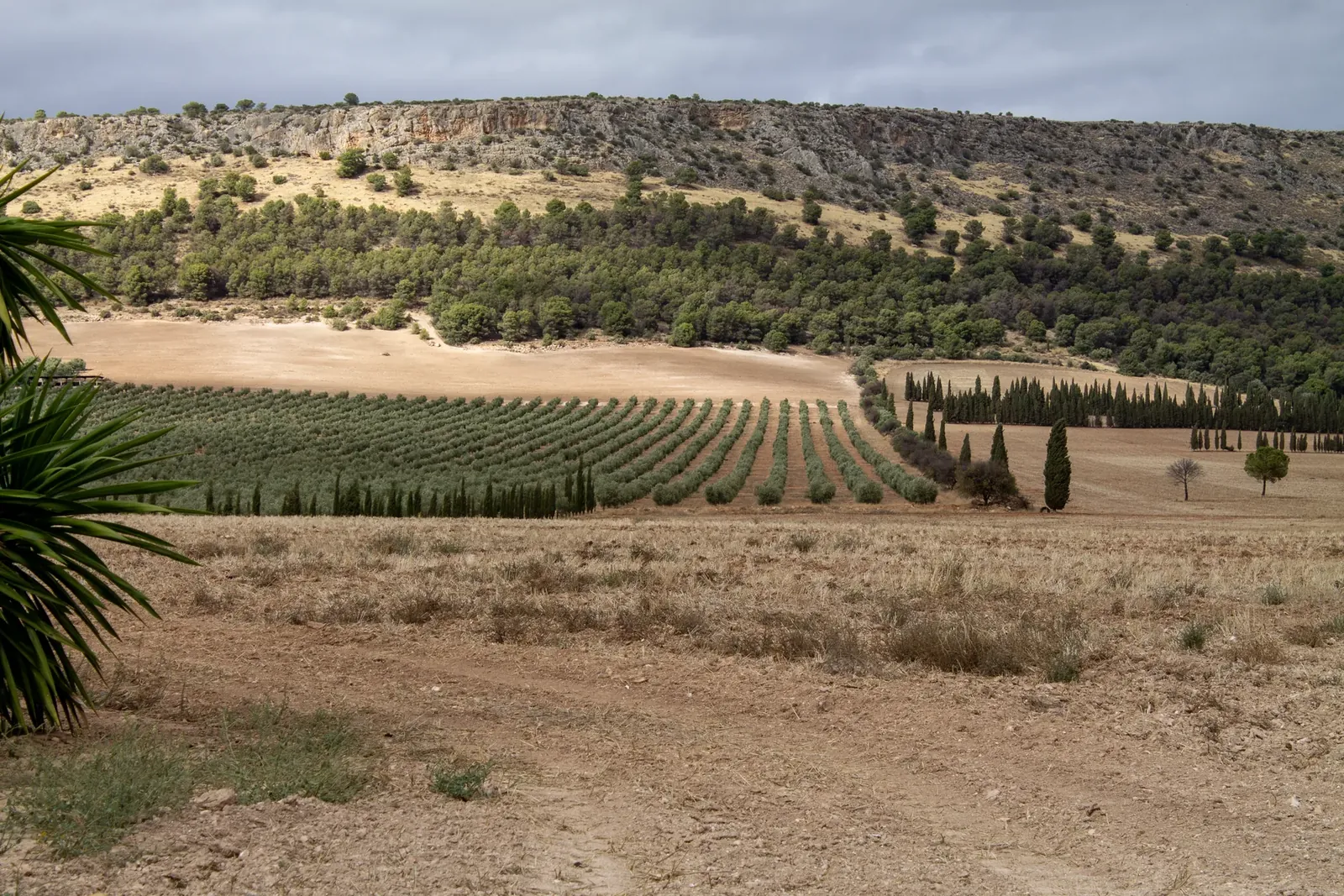
We are a registered health centre in Hümilladero, Málaga, entered with the Junta de Andalucía (NICA 67331), treating in English. Our programme is £9,900 for 28 days, a published price for a fixed length of stay, private room accommodation included (roughly €11,000–€12,000 depending on the exchange rate). We are a rehabilitation centre, not a hospital or a detox unit: where a medically supervised detox is needed it is completed elsewhere, in an appropriate medical setting, before admission, and qualified nurses are part of the team during your stay. Any hospital detox is billed separately. Our clinical work follows the Regulation Model used by PROMIS Clinics in the UK since 1986, directed by Nerea Encinas Sánchez, and we pay no referral fees, so every pound goes to treatment rather than to a broker.
Choosing the right rehab option for you
Start with your GP or a free helpline (De DrugLijn or Infor-Drogues) if you are unsure about your alcohol or drug use, if the cost of drug or alcohol treatment does not fit your budget, or if you want to stay near family and work; this is often the right rehab centre route for a first step, in the sense that it gets you assessed quickly at no cost. The public and reimbursed route, through a recognised hospital or community centre, is the sensible first choice for most people who need residential treatment for drug or alcohol addiction, especially if Dutch or French is comfortable for you. Private rehab in Belgium if you want faster access or more comfort and can meet the cost of treatment, whether that means alcohol rehab treatment, drug rehab, or a broader rehab programme. Treatment abroad, at a private residential rehab such as ours, only if an English-speaking treatment programme matters, distance from your usual environment would help, you can travel, and you do not need an immediate hospital detox. Whichever rehab options you weigh up, use AA or NA alongside whatever you choose, and judge success by your physical and mental health, your coping and well-being, and your long-term recovery, not by the label on the building.
If, after all of that, an English-speaking programme abroad still feels like the right fit, the clearest next steps are the published cost on our pricing page and a confidential conversation through admissions, the usual admission into rehab process, where we will tell you honestly if we think a Belgian route would serve you better on your recovery journey.
Sources and verification
- Healthy Belgium, official overview of addiction care in Belgium
- De DrugLijn, Dutch-language information line, 078 15 10 20
- Infor-Drogues, French-language information line, 02 227 52 52
- Brussels-Capital Region, directory of duty and support services
- Find A Helpline, Belgium, substance-use services and AA / NA meeting finders
- Private residential, detox and outpatient price ranges compiled from published provider and directory figures (indicative, not endorsements)
- Junta de Andalucía register, Sierra Recovery, NICA 67331 · Sierra pricing
All figures dated 25 July 2026. Every price and reimbursement detail should be confirmed with the provider, your GP and your sickness fund before you rely on it.
Questions people ask
How much does rehab cost in Belgium?
It depends on the route. Free public helplines (De DrugLijn, Infor-Drogues), community mental-health centres and mutual-aid groups cost nothing, and residential care in state-recognised hospitals is largely covered through your sickness fund. Private residential rehab runs from roughly €5,000 to €20,000 for four weeks on published directories, higher at the luxury end, while standalone detox is around €1,500 to €4,000 and outpatient programmes around €1,000 to €4,000 a month. These are indicative ranges, not quotations.
Is addiction treatment free in Belgium?
Much of it is. De DrugLijn and Infor-Drogues are free, confidential information lines, AA and NA meetings are free, and community mental-health centres (CGG in Flanders, SSM in the Brussels-Wallonia region) are low-cost and reimbursed. Residential care in a recognised hospital is substantially covered through the public system and your sickness fund (mutualité / ziekenfonds), so you rarely need to pay privately to begin.
Does health insurance cover rehab in Belgium?
Your sickness fund covers part of treatment in state-recognised hospitals and clinics, especially approved or non-profit centres. Some hospitalisation-related costs are not included in basic cover and may need supplementary insurance, and fully private clinics may not be reimbursed. Confirm the exact cover with your own sickness fund and the centre before you commit.
Can I get rehab in English in Belgium?
It is limited. Most residential addiction care in Belgium is delivered through hospitals and centres working in Dutch or French, and dedicated English-speaking private residential rehab is scarce. If English-language treatment matters to you, that is worth weighing, and it is one reason some people consider an English-speaking programme abroad.
Is it safe to stop drinking or taking benzodiazepines on my own?
No, not if you may be physically dependent. Stopping alcohol or benzodiazepines suddenly can cause severe withdrawal, including seizures. Get medical advice first through your GP. In a life-threatening emergency in Belgium call 112, and for urgent out-of-hours medical advice the GP on-call number is 1733. Any medically supervised detox should be completed in an appropriate medical setting.
 +
+
Talk to a clinician today
You will speak to our admissions team, English-speaking clinicians who know the programme and the people in it. Callback within 24 hours.
Registered health centre. Authorised by the Junta de Andalucía, N.I.C.A. 67331.
What rehab costs elsewhere
Or read what a stay actually costs, country by country, and what Sierra Recovery charges.