Home / Rehab costs / Switzerland
Cost of rehab in Switzerland
How Much Does Rehab Cost in Switzerland?
An honest guide to the cost of drug and alcohol rehab in Switzerland: the free and insured routes most people start with, what private rehab clinics really charge in one of the world’s most expensive markets, and where addiction treatment abroad fits in.
Checked for accuracy on 28 July 2026. Next review due July 2027. This page is general information about our programme and is not a substitute for advice about your own situation.
Stopping alcohol or benzodiazepines abruptly can be dangerous if you are physically dependent, because severe withdrawal can cause seizures. Get medical advice before you change your intake. In a life-threatening emergency in Switzerland call 144 for an ambulance, or 112. For anonymous, around-the-clock emotional support you can call 143 (La Main Tendue / Die Dargebotene Hand). Any medically supervised detox should be completed in an appropriate medical setting.
There is no single price for rehab in Switzerland, but there is a free and insured route before there is a private one. With a doctor’s referral, medically necessary addiction treatment is largely covered by compulsory basic health insurance (KVG/LAMal), leaving you with your deductible and a share of the cost. Private residential rehab is a separate market, and Switzerland is widely reported as the most expensive rehab market in the world, with luxury rehab clinics commonly advertised from tens of thousands of Swiss francs a month into six figures. For context, Sierra Recovery’s residential programme in Spain is published at £9,900 for 28 days, a fixed, published alternative to Swiss private rehab prices.
Getting help in Switzerland: the free and low-cost routes
Switzerland has no single national health service in the way the UK has the NHS. Instead, everyone resident is required to hold basic health insurance (KVG/LAMal), and that insurance is the main route to funded treatment, whatever the substance use involved, from alcohol addiction to cocaine addiction or another drug dependency. There are many types of addiction, and the approach to addiction taken by a cantonal service is broadly the same whether the underlying issue is alcohol, another drug, or a behavioural pattern such as gambling. Alongside it sits a strong network of free and anonymous services that cost nothing to approach and are, for many people, the right first step.
- Your GP or a cantonal addiction service. A family doctor (Hausarzt / médecin de famille) or your canton’s specialist addiction service can assess you, arrange a medically supervised detox where needed, and refer you on to inpatient or outpatient addiction treatment. Medically necessary treatment is covered by basic insurance, subject to your deductible and co-payment.
- SafeZone.ch. Free, anonymous online addiction counselling run by the Federal Office of Public Health, with specialists across the country in German, French and Italian, and no appointment needed.
- Sucht Schweiz (Addiction Switzerland). An independent non-profit foundation offering free advice and information for people affected and their families.
- Alcoholics Anonymous in Switzerland. Free peer meetings, including English-speaking groups in Zurich, Geneva and Basel. No dues, no fees, no referral.
- Narcotics Anonymous Switzerland. Free peer meetings and a national helpline for anyone with a drug problem.
- 143, La Main Tendue / Die Dargebotene Hand. A free, confidential emotional-support line available around the clock when you need to talk to someone.
Information checked 25 July 2026. These are national and public services; access details and opening hours change, so confirm on each provider’s own site.
The cost of private rehab in Switzerland
Switzerland does have genuine private rehab clinics, and they are real, not a mirage, but they sit at the very top of the global market. Several of the country’s best-known rehab centres are clustered around Zurich and Geneva, offering inpatient treatment for alcohol addiction, cocaine addiction, other substance use disorders and, where relevant, dual diagnoses alongside a mental health condition, all behind a high level of discretion. Published directory listings routinely place these Swiss clinics among the most expensive rehab options anywhere, with more accessible private rehab in Switzerland advertised from roughly CHF 25,000 a month (around £22,000) and the best-known luxury rehab clinics advertising weekly fees in the tens of thousands of francs and monthly fees well into six figures. The most exclusive, such as Paracelsus Recovery in Zurich, treat a single client at a time and are widely reported to charge on the order of CHF 100,000 a week, which places them among the most expensive treatment providers anywhere in the world. These are indicative, published ranges for rehab in Switzerland, not quotations, and every clinic sets its own fees.
Outpatient and community addiction treatment through the insured route costs far less out of pocket, because the medical portion is carried by basic insurance once a doctor has established that it is necessary. The large numbers you see quoted for private rehab in Switzerland are almost always the self-pay, high-amenity, discreet end of the market, whether inpatient or outpatient, not what treatment for addiction has to cost. Outpatient programmes in Switzerland, and rehab options in Switzerland more broadly, span everything from a few hours a week of therapy to a full residential stay, so the rehab facilities and clinics in Switzerland you are quoted depend heavily on which of those you need.
Ranges drawn from published provider and directory figures, dated above. Typical listings, not quotations.
What drives the price
Whatever the country, several things move the figure most: the setting and staffing ratio (a small private clinic with high one-to-one input and a personalised, bespoke treatment plan costs more than a group therapy programme), the length of stay (a 28-day residential programme is a different cost from a week of detox), whether a medically supervised detox is included (detox is a medical process for managing withdrawal symptoms safely, billed separately from therapy), and amenities, including any holistic therapy such as yoga or mindfulness alongside individual and group therapy. Much of Switzerland’s price premium is the last of these, the alpine setting, the discretion and the exclusivity, rather than a difference in the underlying, evidence-based approach to addiction and rehabilitation, or in the aftercare and relapse-prevention planning that should follow any residential treatment.
Talking therapy of some kind sits at the centre of almost every rehab programme, private or insured, whether that is one-to-one therapy with a psychologist or psychiatrist, group therapy with peers, or family therapy sessions. What differs between a standard rehab centre and a luxury Swiss clinic is usually the ratio of therapy hours to residents, not whether therapy happens at all. A drug rehab or alcohol rehab in Switzerland that also treats mental health issues alongside substance abuse, sometimes marketed as bespoke care, will typically charge more than a straightforward drug addiction treatment programme with no dual-diagnosis input.
Funding your treatment
For residents, basic health insurance (KVG/LAMal) is the primary funding route: medically necessary detox and addiction treatment, prescribed by a doctor and delivered by an authorised provider, is largely covered once you have paid your annual deductible (franchise) and the standard share of costs. Supplementary private insurance can broaden the choice of rehab clinic and room. Self-funding is how most people access the luxury private clinics, and many rehab centres, in Switzerland and abroad, offer payment plans. If cost is the barrier, start with your GP and the insured route rather than the private one.
This applies whether the addiction in Switzerland you are funding treatment for is alcohol and drug addiction, drug and alcohol addiction more generally, or a single substance such as cocaine or alcohol on its own. Rehabs and rehabilitation clinics vary in how they bill, so always ask a named admissions contact, not a directory, for a written quote before you commit.
Is treatment abroad worth considering?
For some people it is. Treatment in another country can cost a fraction of a top-tier Swiss private rehab stay, the distance puts real space between you and the people, places and routines tied to your using, and a warm climate supports sleep, exercise and mood in early recovery. It is not right for everyone. If you need an immediate hospital detox, are not fit to fly, or your treatment is already well covered through KVG/LAMal, staying in Switzerland is very likely the better choice. Treatment abroad suits people who are struggling with addiction, can travel, do not need urgent inpatient medical care, and want an intensive, evidence-based residential rehab programme, addressing both the physical and psychological sides of addiction, without a six-figure bill.
Considering residential treatment abroad?
Sierra Recovery: a licensed option in Spain
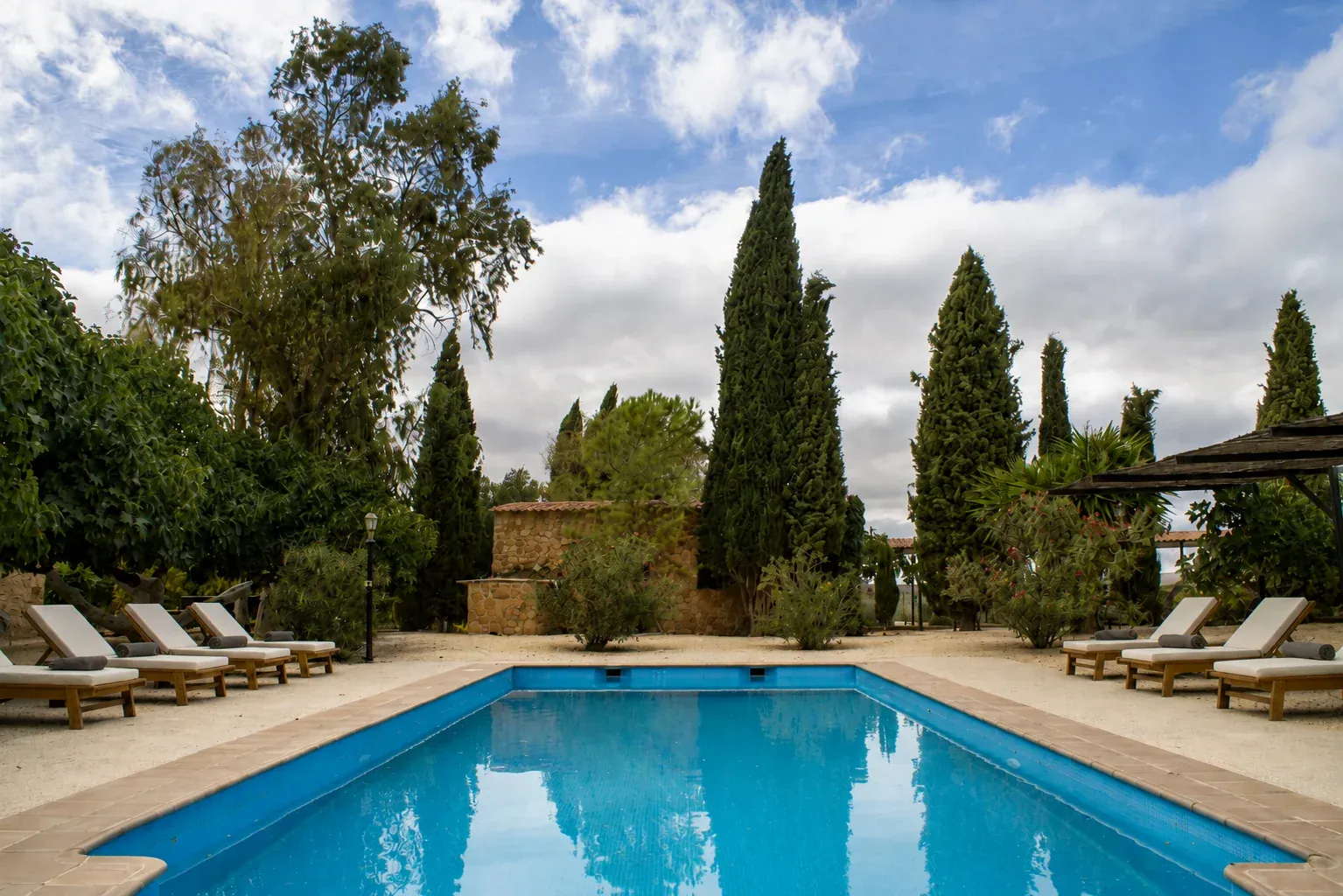
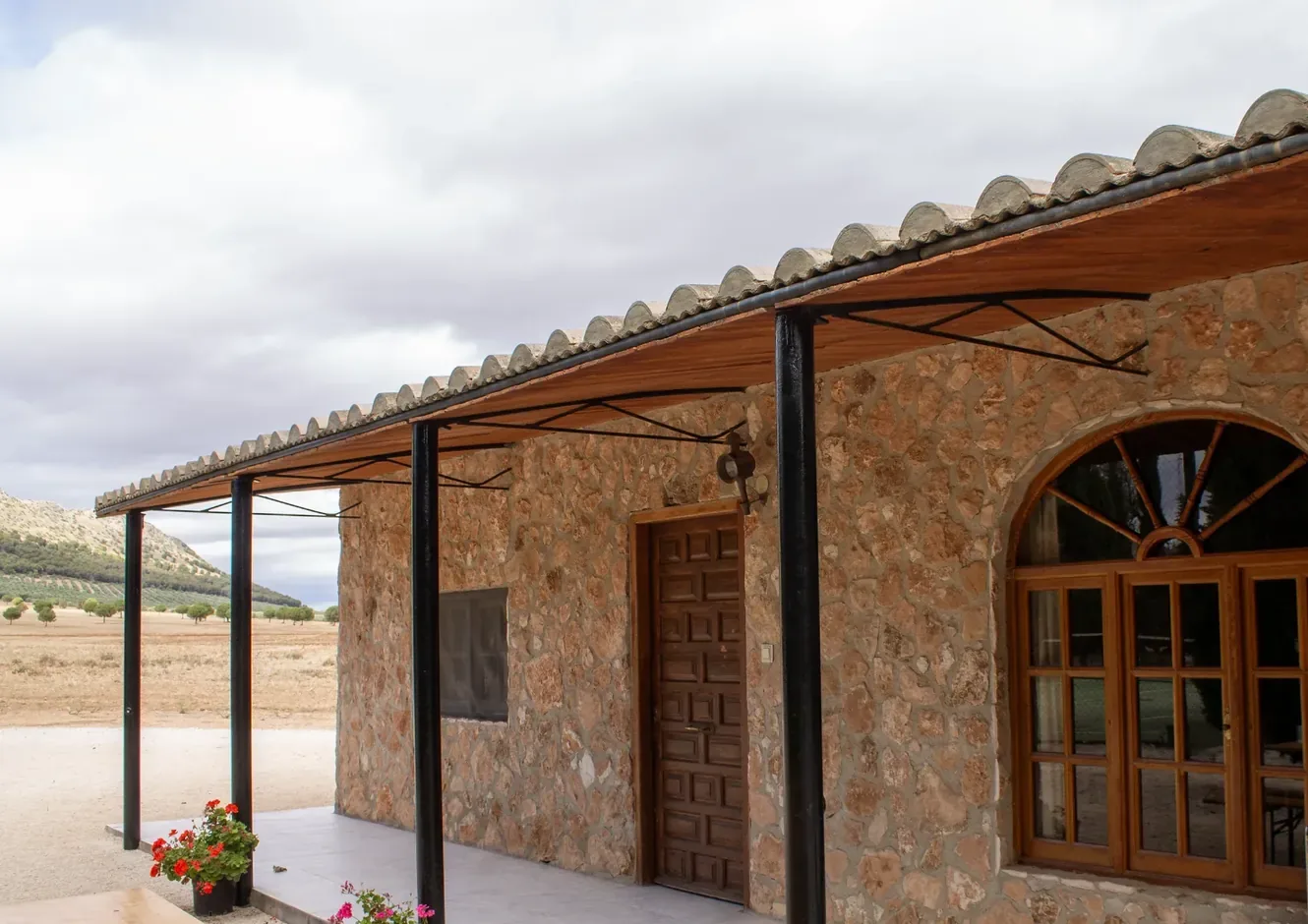
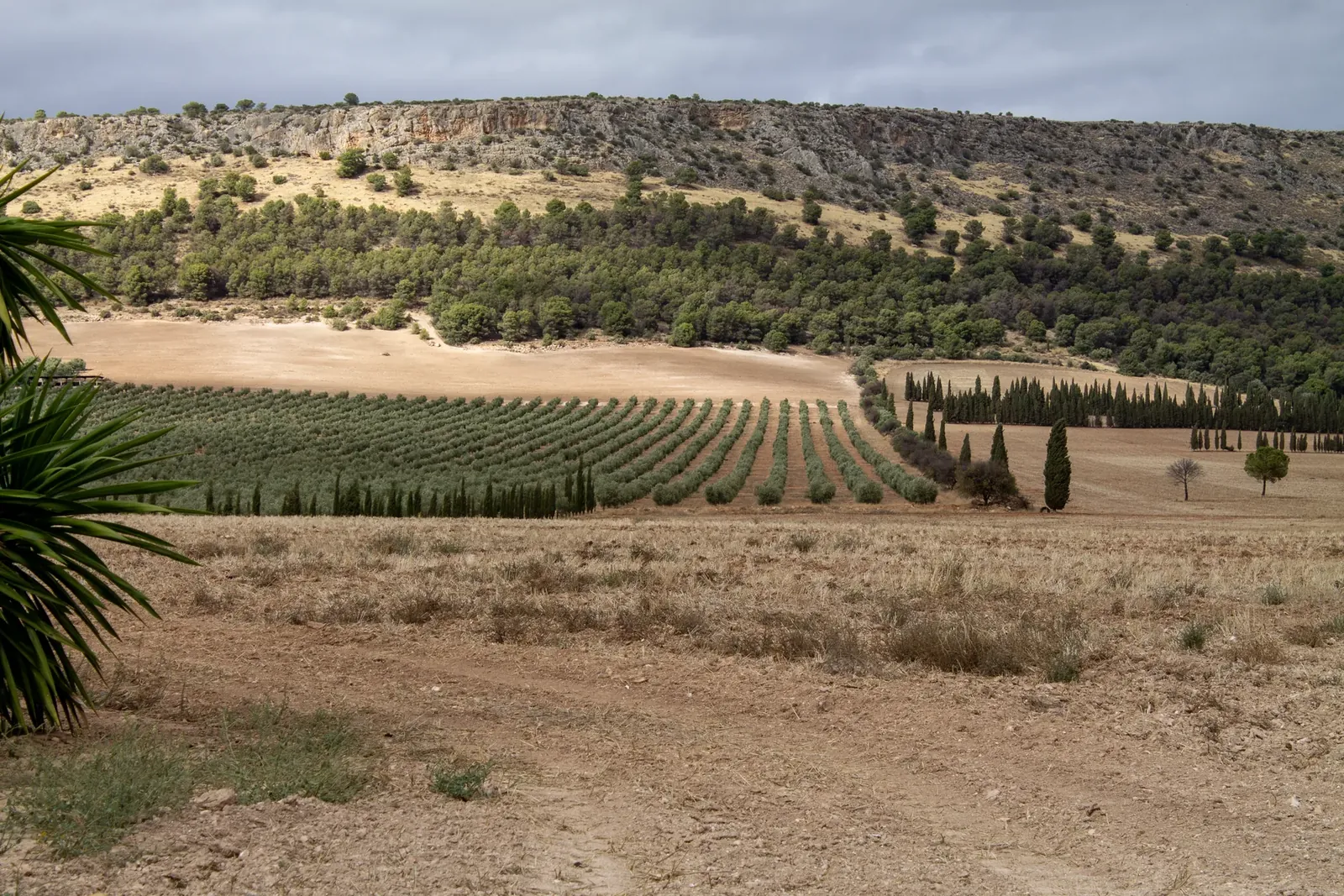
Sierra Recovery is a registered health centre in Humilladero, Málaga, licensed by the Junta de Andalucía. We treat in English, and our clinical model is adapted from PROMIS in the UK, established in 1986. The residential programme is published at £9,900 for 28 days, private room included, with any hospital detox billed separately.
To be clear about what we are: we are a rehabilitation centre, not a hospital or a detox unit. Where a medically supervised detox is needed, it is completed elsewhere, in an appropriate medical setting, before admission; nurses are part of our team. We charge no referral fees, and our methodology is the Regulation Model, led by our director, Nerea Encinas Sánchez.
See exactly what £9,900 includes · Read about our regulation and licensing.
Which option is right for you
Start with your GP or a cantonal service and the insured route if cost is the barrier, if you want to stay near family and work, or if you may need a medical detox soon. Use SafeZone, Sucht Schweiz, AA or NA alongside whatever addiction treatment services you choose, at any stage, for free. Consider a private Swiss rehab clinic if amenities, discretion and setting matter to you and budget is not the constraint. Consider treatment abroad only if you can travel, do not need an immediate hospital detox, and want an intensive residential rehab programme at a lower cost than the top of the Swiss market. Finding the right rehab, whatever the types of addiction treatment you need, is about matching the clinical approach to the person, not the postcode. Good addiction and mental health treatment, whether that is treatment in Switzerland or rehab for alcoholism abroad, should always start with an honest assessment, not a sales call.
If you would like to understand how a residential stay abroad actually works, from first call to arrival, our admissions page walks through every step, honestly and without obligation.
A note on accreditation and quality: whichever route you take, ask how the service is regulated, who the treating clinicians are, and whether they can support co-occurring anxiety or another mental health condition alongside physical dependence, not just the substance use itself. A good recovery model treats the whole person, not only the addiction.
Sources and verification
- SafeZone.ch, free anonymous online addiction counselling, Federal Office of Public Health
- Sucht Schweiz / Addiction Switzerland, advice for individuals and families
- Gemeinsame Einrichtung KVG, compulsory basic health insurance (KVG/LAMal) explained
- Alcoholics Anonymous, Switzerland meeting finder · Narcotics Anonymous Switzerland
- 143, La Main Tendue / Die Dargebotene Hand, free confidential support line
- Swiss private residential price ranges, compiled from published provider and directory listings (not endorsements)
- Junta de Andalucía register, Sierra Recovery, N.I.C.A. 67331 · Sierra pricing
All figures dated 25 July 2026. Confirm each price on the provider’s own page before you rely on it.
Questions people ask
How much does rehab cost in Switzerland?
There is no single figure. Medically necessary treatment is largely covered by compulsory basic health insurance (KVG/LAMal) once a doctor has referred you, so your out-of-pocket cost is mainly your deductible and co-payment. Private residential rehab is a separate market, and Switzerland is widely reported as the most expensive in the world, with published listings ranging from tens of thousands of Swiss francs a month into six figures at the best-known clinics. These are indicative directory figures, not quotations.
Can you get free addiction help in Switzerland?
Yes. You can approach your GP or a cantonal addiction service, use SafeZone.ch for free anonymous online counselling, contact Sucht Schweiz for advice, or attend free Alcoholics Anonymous and Narcotics Anonymous meetings, including English-speaking AA groups in Zurich, Geneva and Basel. The 143 line offers free, confidential support around the clock. For many people these are the right first step.
Does Swiss health insurance cover rehab?
Basic health insurance (KVG/LAMal) covers treatment that is medically necessary, effective and appropriate, when prescribed by a doctor and delivered by an authorised provider. You still pay your annual deductible and a share of the costs. Supplementary private insurance can widen your choice of clinic and room. Confirm the exact cover with your own insurer before you commit.
Is it cheaper to go to rehab abroad than to a private clinic in Switzerland?
Often, yes. Top-tier Swiss private clinics sit at the very top of the global market, and a residential programme in another country can cost a fraction of that. Sierra Recovery in Spain, for example, publishes a 28-day residential programme at 9,900 pounds. Abroad is not right for everyone: if you need an immediate hospital detox, cannot fly, or your care is already covered through KVG/LAMal, staying in Switzerland is usually the better choice.
Is Sierra Recovery based in Switzerland?
No. Sierra Recovery is a registered health centre in Humilladero, Malaga, Spain, licensed by the Junta de Andalucía (N.I.C.A. 67331). We are included on this page as one honest option for people who would consider treatment abroad, and we are clearly marked as such. We are a rehabilitation centre, not a hospital or detox unit; where a medical detox is needed it is completed elsewhere before admission.
 +
+
Talk to a clinician today
You will speak to our admissions team, English-speaking clinicians who know the programme and the people in it. Callback within 24 hours.
Registered health centre. Authorised by the Junta de Andalucía, N.I.C.A. 67331.
What rehab costs elsewhere
Or read what a stay actually costs, country by country, and what Sierra Recovery charges.