Home / Rehab costs & comparisons / Denmark
The cost of rehab in Denmark
How Much Does Rehab Cost in Denmark?
What addiction treatment actually costs in Denmark, from free municipal care and mutual-aid groups to private residential rehab, plus one honest option abroad, with the real figures and where they come from.
Checked for accuracy on 28 July 2026. Next review due July 2027. This page is general information about our programme and is not a substitute for advice about your own situation.
In Denmark you do not have to pay to get help with addiction treatment. Municipal alcohol and drug treatment is free, confidential and open to self-referral, and for most people it is the right first step. Private residential rehab does exist in Denmark and is paid for privately at a private rehab centre, with published directory ranges of roughly 35,000–120,000 DKK (about £4,000–£13,800) for a 30-day stay. Treatment abroad is a further rehab option: Sierra Recovery in Spain runs a 28-day residential rehab programme for £9,900. Below, the treatment options side by side, with sources.
Stopping alcohol or benzodiazepines abruptly can be dangerous if you are physically dependent, because severe withdrawal can cause seizures. Get medical advice before you cut down. In a life-threatening emergency in Denmark call 112. For urgent non-emergency advice, call the medical helpline 1813 in the Capital Region, or contact your own doctor (egen læge) or the regional out-of-hours line (lægevagt) elsewhere.
How addiction treatment is organised in Denmark
Denmark treats addiction mainly as a public-health matter. Responsibility for alcohol and drug treatment sits with the country’s 98 municipalities (kommuner) under the Danish Health Act, and it is funded from general taxation, so it is free at the point of use, providing comprehensive addiction treatment without means-testing. You do not need private health insurance to access it, and you can approach your municipality yourself without a referral to get treatment. Access to drug treatment is intended to begin within 14 days of a first request. Because this public route is genuinely free and comprehensive, private residential rehab in Denmark is a smaller, self-pay part of the picture, used by people who want a higher level of care, more privacy, or a faster start than local waiting lists allow. This mirrors the funding principle behind the NHS in the UK, where the cost of rehab in the UK likewise starts with a free, tax-funded route, though referral and waiting times depend on local commissioning, and private rehab centres fill the same gap that they do in Denmark. Comparing the cost in the UK against Denmark shows both countries lead with a free, publicly funded outpatient programme before any private fee applies, whether the underlying issue is alcohol addiction, drug and alcohol addiction, or another substance. Whichever it is, the same public route applies, and you are not restricted to drug rehab or alcohol-focused care alone.
Free and public options in Denmark
Start here. These are free, national treatment options, and for a great many people they are enough.
- Your municipality (kommune), free treatment under the Danish Health Act. Assessment, outpatient alcohol and drug treatment, withdrawal support where clinically suitable, and referral on to a higher level of care, such as residential treatment, where that is the right step. Free, confidential and open to self-referral. Contact your local kommune directly, or start through your doctor.
- Your own doctor (egen læge) or the regional out-of-hours line (lægevagt / 1813). The usual access route: medical advice, a first conversation, and referral into municipal or hospital treatment where needed. Free.
- The Danish Health Authority (Sundhedsstyrelsen). National information and guidance on alcohol and drugs, and on where to find help locally. Free to use.
- Alcoholics Anonymous (Anonyme Alkoholikere). Free peer-support meetings across Denmark for anyone seeking help for addiction, with regular English-language meetings in Copenhagen and other cities. Walk in, no referral, no cost.
- Narcotics Anonymous (NA Danmark). Free meetings nationwide for anyone who wants to stop using drugs. Walk in, no referral, no cost.
Information checked 25 July 2026. Municipal treatment is provided under the Danish Health Act; your municipality can tell you what is available locally and how self-referral works. AA and NA run alongside any treatment, they do not replace medical care.
Private residential rehab in Denmark
Unlike some countries, Denmark does have private rehab centres offering inpatient care, so if you want a residential stay you do not have to leave the country to find one. People fund private rehab in Denmark in different ways, either paying themselves, through an employer or, in some cases, through a municipal arrangement, and some centres offer payment plans. As a guide to overall cost, published treatment-directory listings put private residential rehab, sometimes called inpatient rehab, at roughly 35,000–120,000 DKK (about £4,000–£13,800) for a 30-day stay, so a typical alcohol rehab treatment stay can cost anywhere within that range, with the figure depending on the setting, the length of programme, and what is included in the cost. Private day and outpatient treatment, for people who can live at home during treatment, is lower, commonly quoted at around 10,000–35,000 DKK a month (about £1,150–£4,000). As with any drug and alcohol rehab, treatment costs vary depending on the type of treatment and the level of care provided, and as with most private services, costs can vary and can range considerably between one alcohol and drug rehab and the next, so the cost of alcohol and drug rehab is never a single fixed figure. Residential rehab typically includes accommodation, meals and therapy as standard, while outpatient sessions typically cost less per week than staying at the centre.
No individual Danish centre is named here. To compare them fairly, look each one up, ask exactly what the treatment package includes, check what the cost covers, and ask whether the detox cost is part of the fee or billed separately, since this can change the overall rehab cost significantly. Private rehab in Denmark can cost anywhere within the ranges above, so always get the figure confirmed in writing before you commit.
Cost ranges are indicative figures drawn from published directory listings dated above, not quotations. Every centre sets its own fees, so confirm directly before you rely on any figure.
What drives the cost
- Setting. Free municipal and outpatient care costs nothing; residential care, whether public-referred or private, costs more because it includes accommodation and round-the-clock staffing.
- Length of stay. Most residential programmes are priced by the week or the month, so a 28 to 90 day treatment programme scales accordingly, and inpatient rehab costs and the cost of drug rehab both rise with a longer stay.
- Whether medical detox is included. A supervised detox protects your physical health during withdrawal and is often priced separately from the therapeutic programme. Always ask.
- Level of privacy and amenity. Shared versus private rooms and the general standard of the rehab centres you compare move the price more than the clinical model does.
Considering residential treatment abroad?
Sierra Recovery, Málaga, Spain
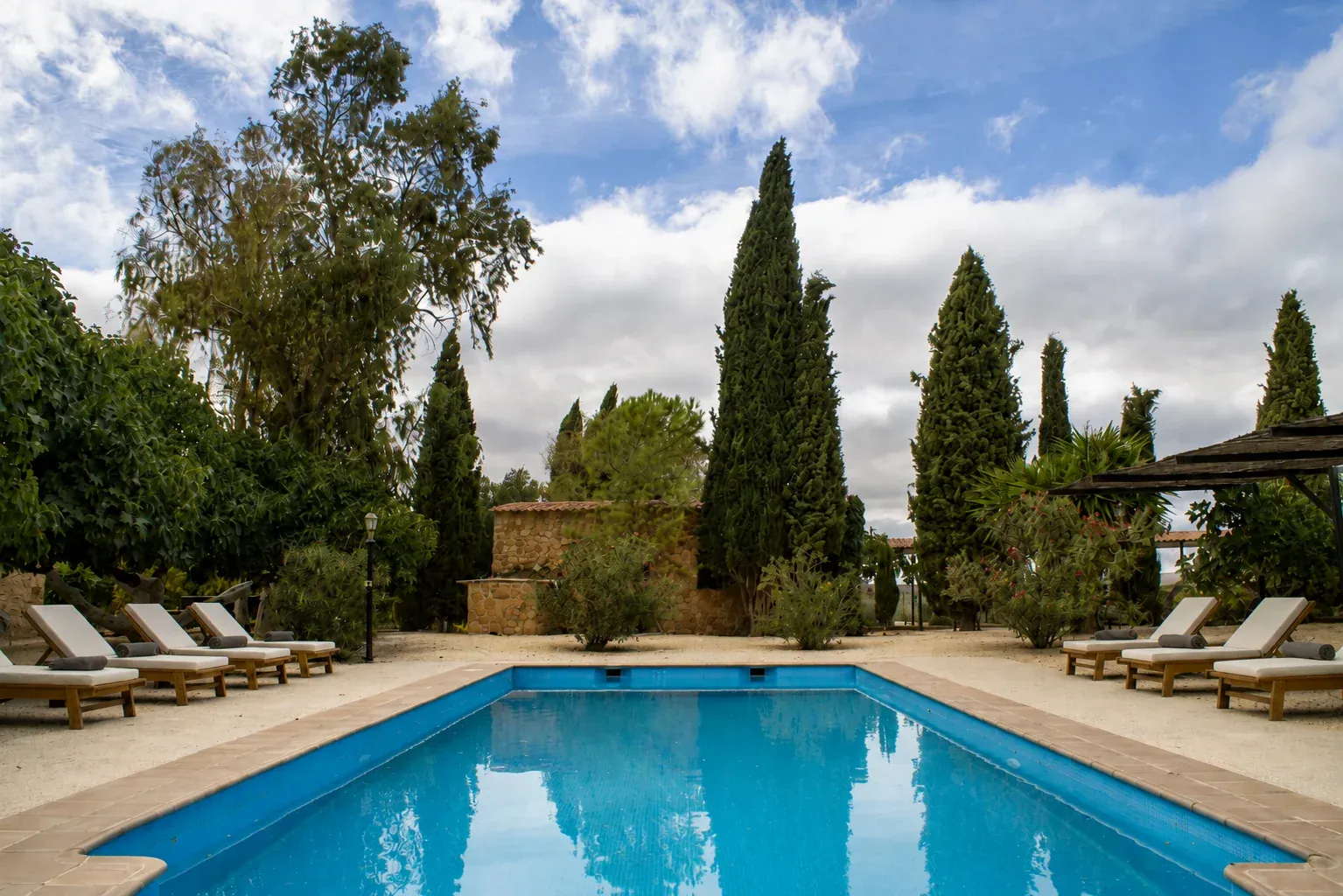
We are a registered residential health centre in the Spanish countryside, treating in English, working to the PROMIS clinical model adapted to Sierra, as used in the UK since 1986, combining structured individual and group therapy with aftercare that continues when you get home. Our director is Nerea Encinas Sánchez. £9,900 for the 28-day residential rehab programme, published and inclusive of the room; hospital detox is billed separately. We are a rehabilitation centre, not a hospital or detox unit: where a medically supervised detox is needed it is completed first, in an appropriate medical setting, before admission. We charge no referral fees. Our programme is designed as treatment for individuals who need structured residential support, and if you are considering rehab abroad, or considering addiction rehab of any kind, we set out honestly whether it is the right rehab for you or whether a Danish option would suit you better.
See what is included and the full price · how we are regulated and licensed.
Which option is right for you
Choosing the right rehab option comes down to your own circumstances, not a fixed rule, and comparing your rehab options honestly is worth the time before you decide to go to rehab. Start with your municipality’s free treatment if you are unsure, if cost is the barrier, or if you want to stay near family and work while getting treatment for drug or alcohol problems. It is free, confidential, and for most people it is genuinely enough. Use your own doctor or the out-of-hours line as the way in, and in an emergency call 112. Private residential in Denmark if you want a residential setting, more privacy, or a faster start, and you can afford rehab at that level. Treatment abroad only if you would value distance from your usual surroundings, you can travel, and you do not need an immediate hospital detox. Use AA or NA alongside whatever you choose, wherever you are in your recovery journey. If you would like help weighing it up, our admissions team will talk it through honestly as part of your addiction recovery, including when a Danish option is the better call. Read how admission to Sierra works.
Sources and verification
- Danish Health Authority (Sundhedsstyrelsen), alcohol, smoking habits and narcotics
- Statistics Denmark, drug abuse treatment (municipal responsibility and access within 14 days)
- Sønderborg Municipality, an example of free, confidential municipal substance-use help
- Anonyme Alkoholikere (AA Denmark), English pages · AA Copenhagen English meetings
- NA Danmark, Narcotics Anonymous meeting finder
- Medical Helpline 1813 (Capital Region) · emergency 112
- Private residential and outpatient price ranges compiled from published treatment-directory listings (indicative figures, not endorsements)
- Junta de Andalucía register, Sierra Recovery, N.I.C.A. 67331 · Sierra pricing
All figures dated 25 July 2026. Each price should be confirmed on the provider’s own page before you rely on it. Currency conversions are approximate.
Questions people ask
Is addiction treatment free in Denmark?
Yes. Alcohol and drug treatment is organised by Denmark's 98 municipalities under the Danish Health Act and funded from taxation, so it is free at the point of use, confidential and open to self-referral. Drug treatment is intended to start within 14 days of a first request. For most people this free public route is the right first step, and it is genuinely enough.
How much does private rehab cost in Denmark?
Private residential rehab in Denmark is self-pay. Published treatment-directory listings put it at roughly 35,000 to 120,000 DKK (about £4,000 to £13,800) for a 30-day stay, depending on the setting, the length of the programme and what is included. Private day or outpatient treatment is lower, commonly around 10,000 to 35,000 DKK a month. These are indicative figures, not quotes, so confirm directly with any centre.
Can I get addiction treatment in English in Denmark?
Public treatment is delivered in Danish, though many clinicians speak English. Alcoholics Anonymous runs regular English-language meetings in Copenhagen and other cities, and treatment abroad, such as Sierra Recovery in Spain, is delivered entirely in English. If English-language care matters to you, it is worth asking each service what it can offer before you commit.
Do I need a detox before residential rehab?
If you are physically dependent on alcohol or benzodiazepines, a medically supervised detox usually comes first, and you should never stop suddenly, as severe withdrawal can cause seizures. Some centres include detox in the fee and some bill it separately, so always ask. Sierra Recovery is a rehabilitation centre, not a detox unit, so any needed detox is completed in an appropriate medical setting before admission.
How quickly can I start treatment?
Access to municipal drug treatment in Denmark is intended to begin within 14 days of a first request, and your own doctor or the out-of-hours line can start the process straight away. Private treatment, in Denmark or abroad, can often begin sooner. In a life-threatening emergency call 112, and for urgent non-emergency advice call 1813 in the Capital Region or your regional out-of-hours line.
 +
+
Talk to a clinician today
You will speak to our admissions team, English-speaking clinicians who know the programme and the people in it. Callback within 24 hours.
Registered health centre. Authorised by the Junta de Andalucía, N.I.C.A. 67331.
What rehab costs elsewhere
Or read what a stay actually costs, country by country, and what Sierra Recovery charges.