Home / Cost of rehab / Norway
The cost of rehab in Norway
How Much Does Rehab Cost in Norway?
What treatment for a drug or alcohol problem actually costs in Norway: the free public route through the health service, helplines and mutual-aid groups, indicative private rehab prices, and one honest option abroad, with sources.
Checked for accuracy on 28 July 2026. Next review due July 2027. This page is general information about our programme and is not a substitute for advice about your own situation.
In Norway you do not have to pay for addiction treatment. Specialist care through the public health service (TSB) is free, or close to it, once you are referred, and there is free help by phone and in mutual-aid groups. Private residential rehab is faster to access but is charged privately, indicatively around NOK 50,000–150,000 (roughly £3,700–£12,000) for a 28-day stay. Whether the substance involved is alcohol, opioids such as heroin, cocaine, cannabis or another drug, treatment abroad can cost less than a private Norwegian stay. Below are the options, side by side.
Stopping alcohol or benzodiazepines abruptly can be dangerous if you are physically dependent, because severe withdrawal can cause seizures, and in some cases confusion or hallucinations. Alcohol detox in particular can involve significant withdrawal symptoms, which is why medical supervision matters for anyone with substance addiction or drug and alcohol addiction affecting their physical health. Get medical advice first. In a life-threatening emergency in Norway call 113 (ambulance) or 112 (police); for urgent out-of-hours medical help call 116 117 to reach your local legevakt.
The addiction picture in Norway
Norway treats substance use as a health matter, and most people who need help are treated within the public system rather than paying privately. Care is organised on two levels: your municipality (kommune) provides community support and early help, and the specialist health service provides interdisciplinary specialist addiction treatment, known in Norwegian as tverrfaglig spesialisert rusbehandling, or TSB. TSB covers detoxification, inpatient and day treatment, outpatient clinics and emergency care, and is designed to address both the mental and physical health effects of a substance use disorder. Alcoholism and drug addiction are recognised as chronic health conditions rather than a moral failing, and where anxiety, depression or another mental health condition is also present, sometimes called dual diagnosis, the pathway aims to address both together. For most people the sensible first step is a conversation with a GP (fastlege), who can help agree an individual treatment plan, not a payment. Left untreated, physical and psychological addiction to alcohol or drugs can affect every part of life, which is why the public system offers a broad range of addiction treatment services rather than a single type of treatment. Good care addresses the physical, psychological and social aspects of addiction together, drawing on evidence-based methods and, where useful, counselling and other talking therapies, so that people can seek help and seek treatment in whatever form suits them, whether that is alcohol use support, help with drug or alcohol addiction, or wider treatment options for addiction and mental health concerns together.
Free and public options in Norway
Start here. These are free, or nearly so, and for a great many people they are enough. Support does not stop at detox: many pathways also build in relapse prevention and aftercare, so that gains are not lost once formal rehab treatment ends.
- Your GP (fastlege). The main route in. Your GP can assess you and refer you into specialist addiction treatment (TSB). Referrals can also come from NAV social services or the municipal health service.
- Public specialist addiction treatment (TSB). Delivered by the regional health authorities and hospitals through a national patient pathway, this covers detox, residential and outpatient rehab care, usually involving psychologists, psychiatrists and other specialist clinicians. It is publicly funded; outpatient user fees are modest and capped, and once you reach the annual cap a frikort (exemption card) makes further care free for the rest of the year.
- Municipal drug and alcohol services (kommune). Community support, follow-up and early help, close to home and free.
- RUSinfo / Rustelefonen, the national helpline. Free, anonymous information and guidance on alcohol and drugs, for you or a family member, on 915 08 588, with chat available online.
- Anonyme Alkoholikere (AA Norway). The Norwegian fellowship of Alcoholics Anonymous, offering free peer-support meetings across the country, no referral needed. Information line 911 77 770.
- Anonyme Narkomane (NA Norway). Around 300 free meetings a week nationally, no referral, no cost.
- Emotional-crisis support. If things feel overwhelming, the mental-health helpline is 116 123, and the public health service lists further talking services.
Information checked 25 July 2026. Details of TSB, referral and user fees are drawn from the Norwegian Directorate of Health and Helsenorge; helpline and meeting details from each organisation’s own pages, listed in Sources below.
Private and residential rehab in Norway
Private and non-profit residential clinics do operate in Norway, offering inpatient rehab programmes alongside outpatient treatment. Many of them deliver publicly funded TSB places under contract with the regional health authorities, which means you can sometimes reach a residential bed through the free public route rather than paying for it. A smaller number of purely self-pay rehab clinics also exist. In other words, a private-looking rehab centre is not automatically a private bill, so it is worth asking whether a place can be funded through the public pathway before you commit to paying. For people who want a residential alcohol rehab or a broader drug and alcohol rehab setting rather than an outpatient one, this route offers a defined treatment programme with a fixed length of stay. Residential rehabilitation of this kind, delivered in a rehabilitation facility or treatment centre away from day-to-day pressures, can offer a safe and secure environment in which to focus on your recovery from alcohol or other drugs, alongside rehab centres that provide broader rehabilitation services.
As a guide to self-pay cost, published international rehab directories put private residential treatment in Norway at roughly NOK 50,000 to NOK 150,000 for a 28-day programme (about £3,700–£12,000), with inpatient day rates commonly quoted around NOK 1,500–3,000. Some private rehab clinics accept Norwegian health insurance or offer payment plans, which matters if you are wondering how to pay for rehab privately rather than through the public route, and this is one of the clearest differences between free public care and self-pay drug rehab. Treatment approaches at this level commonly combine medical support for withdrawal with talking therapies such as cognitive behavioural therapy, relapse-prevention planning and aftercare. These are indicative ranges from directory listings, not quotations.
What rehab in Norway costs, in short
- Public specialist treatment (TSB): free once referred, apart from modest capped outpatient user fees.
- Helplines and AA/NA: free.
- Private residential (self-pay): indicatively NOK 50,000–150,000 for 28 days (about £3,700–£12,000).
- Private outpatient sessions: commonly NOK 300–1,000 each.
Considering residential treatment abroad?
Sierra Recovery, Málaga, Spain
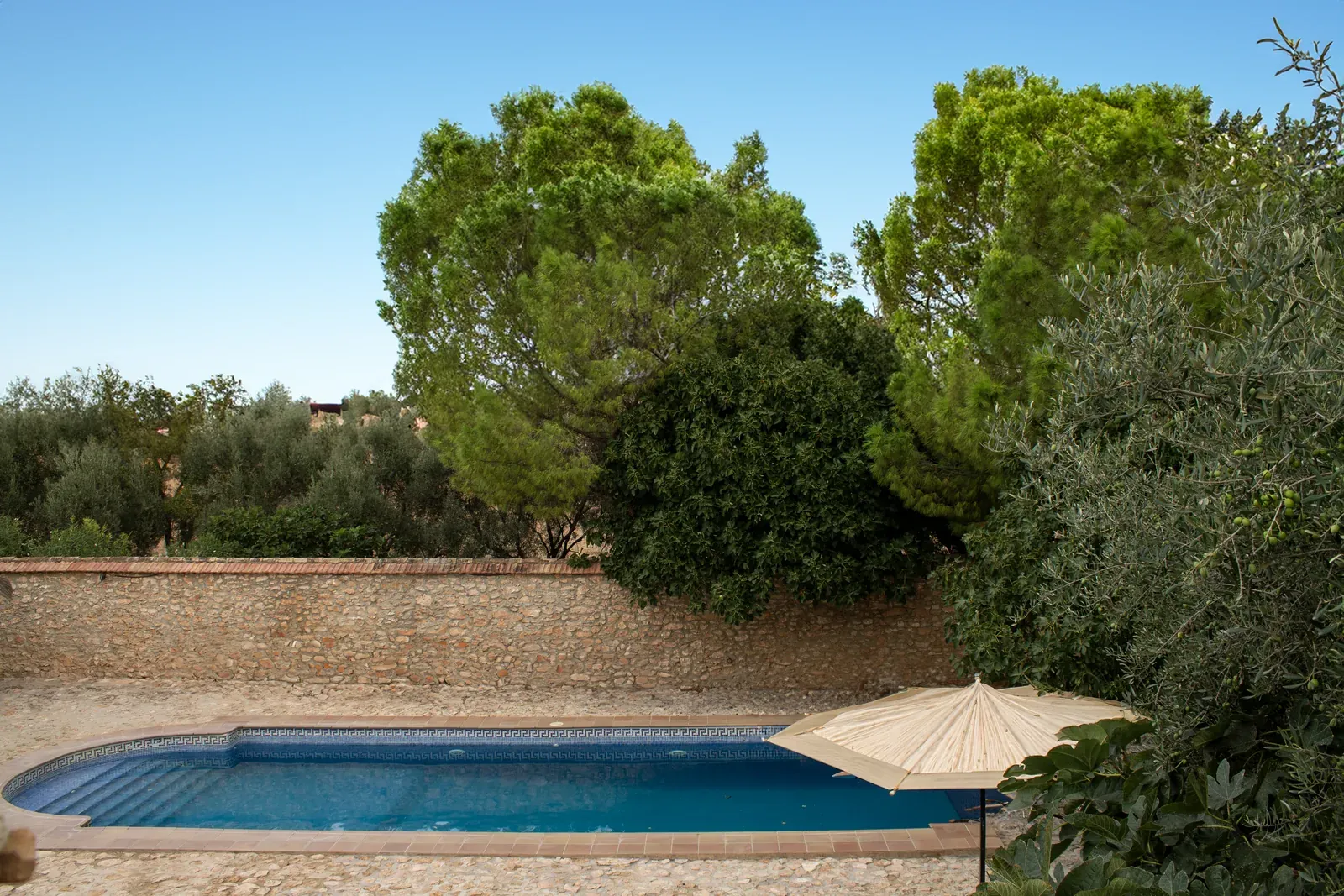
Some people in Norway look at treatment abroad, usually because a private stay is out of reach, because distance from the places and people tied to a habit helps, or because they want to be treated in English. If that is you, here are the honest facts about us, so you can compare like with like.
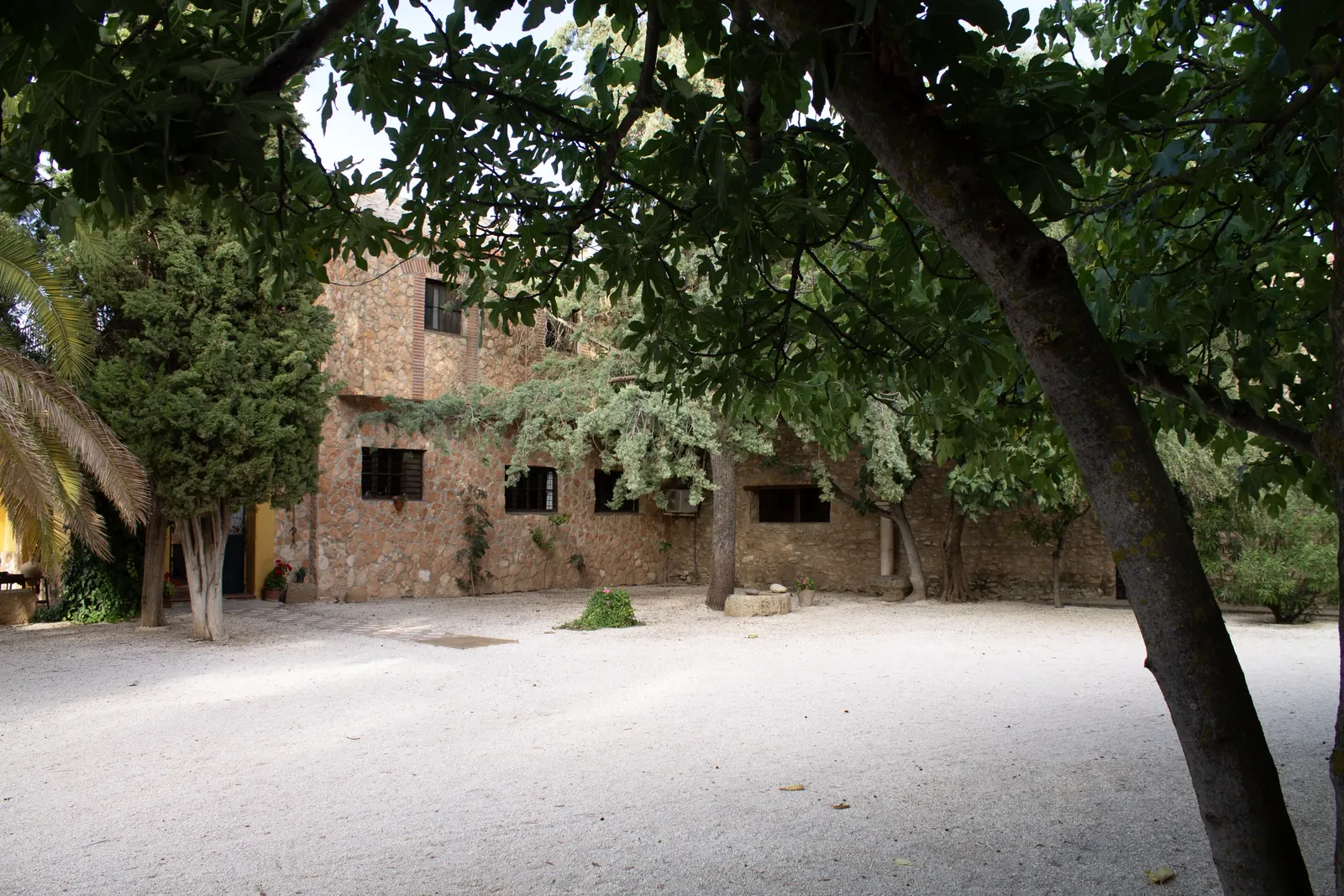
Sierra Recovery is a registered health centre in Humilladero, Málaga, in southern Spain, entered on the Junta de Andalucía health register. Our clinical model is adapted from PROMIS Clinics in the UK, which has run this way of working since 1986, and our director is the registered psychologist Nerea Encinas Sánchez. Our methodology is the Regulation Model.
The published price is £9,900 for the 28-day residential programme, private room included. We are a rehabilitation centre, not a hospital or a detox unit: where a medically supervised detox is needed, it is completed elsewhere, in an appropriate medical setting, before admission, and any hospital detox is billed separately. Qualified nurses are part of the team during your stay. We charge no referral fees. A residential rehab centre setting like this can suit people who want a complete change of scene while they work on long-term recovery.
See exactly what is included on our pricing page, and how we are regulated on regulation and licensing.
Which option is right for you
Start with your GP and the public system if cost is the barrier, if you are unsure, or if you want to stay near family and work; specialist treatment through TSB is free once you are referred, and a residential place can sometimes be funded that way too. Use RUSinfo, AA or NA alongside whatever you choose, at any stage. Consider private residential rehab in Norway if you want faster access and can meet the cost or have insurance. Consider treatment abroad only if a private stay at home is out of reach, distance would help, you can travel, and you do not need an immediate hospital detox. If a Norwegian route would serve you better, we will tell you. Many people who struggle with addiction do overcome it and go on to build lasting recovery, whether they start with public rehabs, a private rehab centre, or treatment abroad; what matters most is finding the type of rehab and course of comprehensive treatment that fits your life, receiving treatment that lowers the risk of relapse, and staying engaged with addiction recovery for the long term. Whether the difficulty is a mental health disorder alongside substance use, or someone wanting to recover from alcohol or drugs on their own, everyone deserves a genuine path to recovery. Whichever route you choose, support is available at every stage of the recovery journey, including aftercare once a residential or outpatient programme ends.
If treatment abroad still feels like the right fit after reading the local picture, the clearest next step is a confidential conversation through admissions, where we will be honest about whether we are the right place for you.
Sources and verification
- Helsedirektoratet, interdisciplinary specialist addiction treatment (TSB): roles, referral and the patient pathway
- Helsenorge, user fees at hospitals and outpatient clinics, and the frikort exemption
- RUSinfo / Rustelefonen, national drug and alcohol helpline, 915 08 588 (free, anonymous)
- Anonyme Alkoholikere (AA Norway), meeting finder and information line 911 77 770 · Anonyme Narkomane (NA Norway), meeting list
- Helsenorge, someone to talk to, and mental-health helpline 116 123
- Private residential and outpatient price ranges, compiled from published international rehab directory figures (not endorsements or quotations)
- Junta de Andalucía register, Sierra Recovery, N.I.C.A. 67331 · Sierra pricing
All figures dated 25 July 2026. Norwegian krone amounts are approximate in pounds and should be confirmed at the current rate. Confirm every price with the provider before you rely on it.
Questions people ask
How much does rehab cost in Norway?
For most people in Norway, specialist addiction treatment through the public health service (TSB) is free once you are referred, apart from modest outpatient user fees that are capped each year. Helplines and AA or NA meetings are free. Private residential rehab is charged privately, indicatively around NOK 50,000 to NOK 150,000 (roughly £3,700–£12,000) for a 28-day stay, and private outpatient sessions are commonly NOK 300 to NOK 1,000 each. These private figures are indicative ranges from published directories, not quotations.
Is addiction treatment free in Norway?
Largely, yes. Once your GP (fastlege) or another authorised referrer sends you into interdisciplinary specialist addiction treatment (TSB), care is publicly funded. Outpatient user fees are modest and capped, and after you reach the annual cap a frikort exemption card makes further care free for the rest of the year. Community help through your municipality, the national helpline and mutual-aid groups are also free.
How do I access public rehab in Norway?
Start with your GP (fastlege), who can assess you and refer you into specialist addiction treatment (TSB). Referrals can also come from NAV social services or the municipal health service. You then enter a national patient pathway that covers detox, residential and outpatient care, designed to reduce unnecessary waiting. If it is urgent and out of hours, 116 117 reaches your local legevakt; in a life-threatening emergency call 113.
Is it cheaper to go to rehab abroad than in Norway?
It can be. A private residential stay in Norway is indicatively NOK 50,000 to NOK 150,000 for 28 days. Sierra Recovery in Spain publishes a price of £9,900 for its 28-day residential programme, private room included, which can be lower than a self-pay Norwegian stay. That said, if you have not yet used the free public route, or you need an immediate hospital detox, staying in Norway may serve you better, and we will say so honestly.
Does Sierra Recovery arranges detox before admission?
No. Sierra Recovery is a registered health centre in Málaga, Spain, but it is not a hospital or a detox unit. Where a medically supervised detox is needed, it is completed elsewhere in an appropriate medical setting before admission, and any hospital detox is billed separately. Qualified nurses are part of the team during your stay. If you are dependent on alcohol or benzodiazepines, do not stop suddenly; seek medical advice first.
 +
+
Talk to a clinician today
You will speak to our admissions team, English-speaking clinicians who know the programme and the people in it. Callback within 24 hours.
Registered health centre. Authorised by the Junta de Andalucía, N.I.C.A. 67331.
What rehab costs elsewhere
Or read what a stay actually costs, country by country, and what Sierra Recovery charges.