Home / Cost of rehab guides / Germany
How much does rehab cost in Germany?
How Much Does Rehab Cost in Germany? The honest guide
What residential and community addiction treatment really costs in Germany, who pays for it, the free counselling available in almost every town, and where a programme abroad can fit, with the sources to check each figure yourself.
Checked for accuracy on 28 July 2026. Next review due July 2027. This page is general information about our programme and is not a substitute for advice about your own situation.
In Germany you usually do not pay privately for rehab. Most residential addiction treatment for drug and alcohol addiction is funded by the statutory pension insurance, the Deutsche Rentenversicherung, and free, confidential addiction counselling is available in almost every town, alongside free rehab access routes through the statutory system. For insured treatment you typically pay a co-payment of around €10 a day. Where people do choose to pay privately, published directory figures put German private rehab and alcohol rehabilitation costs at roughly €1,200 to €12,000 a week. Below is the real picture of how much rehab costs, the rehab treatment options available, and where a residential programme abroad can fit.
Stopping alcohol or benzodiazepines abruptly can be dangerous if you are physically dependent, because severe withdrawal can cause seizures. Get medical advice first. In a life-threatening emergency in Germany call 112. For urgent but non-emergency medical help, the on-call medical service is 116 117. Any medically supervised withdrawal should be completed in an appropriate medical setting before a residential programme begins, wherever that programme is.
The addiction picture in Germany
Germany has one of the more developed publicly funded addiction treatment systems in Europe, covering alcohol addiction, drug addiction, substance abuse and other substance use disorder presentations, whatever the alcohol or drug problem someone is facing. Treatment is organised around a clear split: a medically supervised detox (Entgiftung), usually in hospital and covered by statutory health insurance, followed by a rehabilitation or weaning programme (Entwöhnung), most of which is funded by the pension insurer. Rehabilitation centres in this system can be residential (inpatient) or day-attendance (outpatient), and most combine individual and group therapy with medical support and aftercare planning once the main treatment programme ends. For most people, cost is not the first barrier. Knowing where to start, and being ready to take the step, usually is.
Free and public options in Germany
Start here. This is where the genuinely free rehab and low-cost rehab services sit, available across the country, and for a great many people affected by drugs and alcohol they are enough or are the right first step, whether what is needed is outpatient counselling, structured therapy sessions, or a route into funded residential rehab for drug or alcohol addiction.
- Suchtberatungsstellen (addiction counselling centres) – free, confidential counselling in almost every town, run by public agencies and charities such as Caritas, Diakonie, AWO and the DRK. You can find your nearest centre through the German Centre for Addiction Issues (DHS) directory. Counselling at public and church-run centres is free of charge, anonymously if you wish.
- Sucht & Drogen Hotline – national telephone counselling for people affected and their families, on 01806 313031, open daily. Calls carry a small charge of about €0.20 each. The BZgA also runs an addiction-prevention information line on 0221 892031.
- suchtberatung.digital – free, anonymous online addiction counselling for adults, relatives and parents.
- Anonyme Alkoholiker (AA) and Narcotics Anonymous (NA) – free peer-support meetings across Germany, in person and online, with no membership fee. Voluntary donations only.
- Your GP (Hausarzt) or the statutory system – the usual access route to a funded detox and a funded rehabilitation place.
Information checked 25 July 2026. Counselling centres, hotlines and mutual-aid groups are listed as access routes and support, not as a ranking. Confirm current details with each service.
The private residential reality in Germany
Germany does have private residential clinics, and public directories list dozens of private rehab and treatment centre options, alongside dedicated alcohol rehab, drug rehab, alcohol and drug rehab centres and combined drug and alcohol rehab centres, from a standard rehab clinic to a small number of private residential rehab and luxury rehab providers. But this is different from the UK or Spain private market. The large majority of residential addiction rehab and inpatient rehab in Germany is delivered through specialist clinics (Fachkliniken), each a treatment and rehabilitation centre in its own right, and each rehab programme is paid for by the statutory system, not out of pocket. By law, most of this rehabilitation is funded by the Deutsche Rentenversicherung, with statutory health insurance covering the hospital detox that comes first, and the local welfare agency as a fallback where neither applies.
The private-pay market exists mainly for people who want faster access than the application route allows, more privacy, a higher level of care, or amenities beyond the standard clinic, including accommodation more comparable to a private rehab centre abroad. It is a genuine option, but for many German residents the funded route is both free at the point of use and clinically strong, which is why it should be the first thing you check.
What rehab actually costs in Germany
Rehab costs in Germany depend almost entirely on which route into treatment and rehabilitation you take. Through the statutory route, the direct cost to you is small. Where a rehabilitation is funded by the pension insurer or health insurance, the patient co-payment is typically around €10 a day, and it can be reduced or waived in cases of hardship. The system, not the individual, carries the treatment cost.
Through the private route, the recovery.com directory lists private residential rehab in Germany across a wide band, from around €1,200 to €12,000 a week depending on the clinic, with private clinic day fees commonly reported between €150 and €300 or more and a typical length of stay of about 28 days. The luxury end runs considerably higher. These are indicative published ranges for the cost of treatment, not quotations, and every clinic sets its own fees and what is included in the cost, so ask each provider directly.
Whether the underlying issue is drug and alcohol consumption together or one alone, the cost of drug or alcohol rehab treatment through the private route sits within the ranges above, and your admission into rehab can usually be arranged directly with the clinic once you have chosen it.
Cost ranges checked the date above. Typical published figures from public directories, not quotations. Confirm any price directly with the provider.
Considering residential treatment abroad?
Sierra Recovery, Málaga, Spain

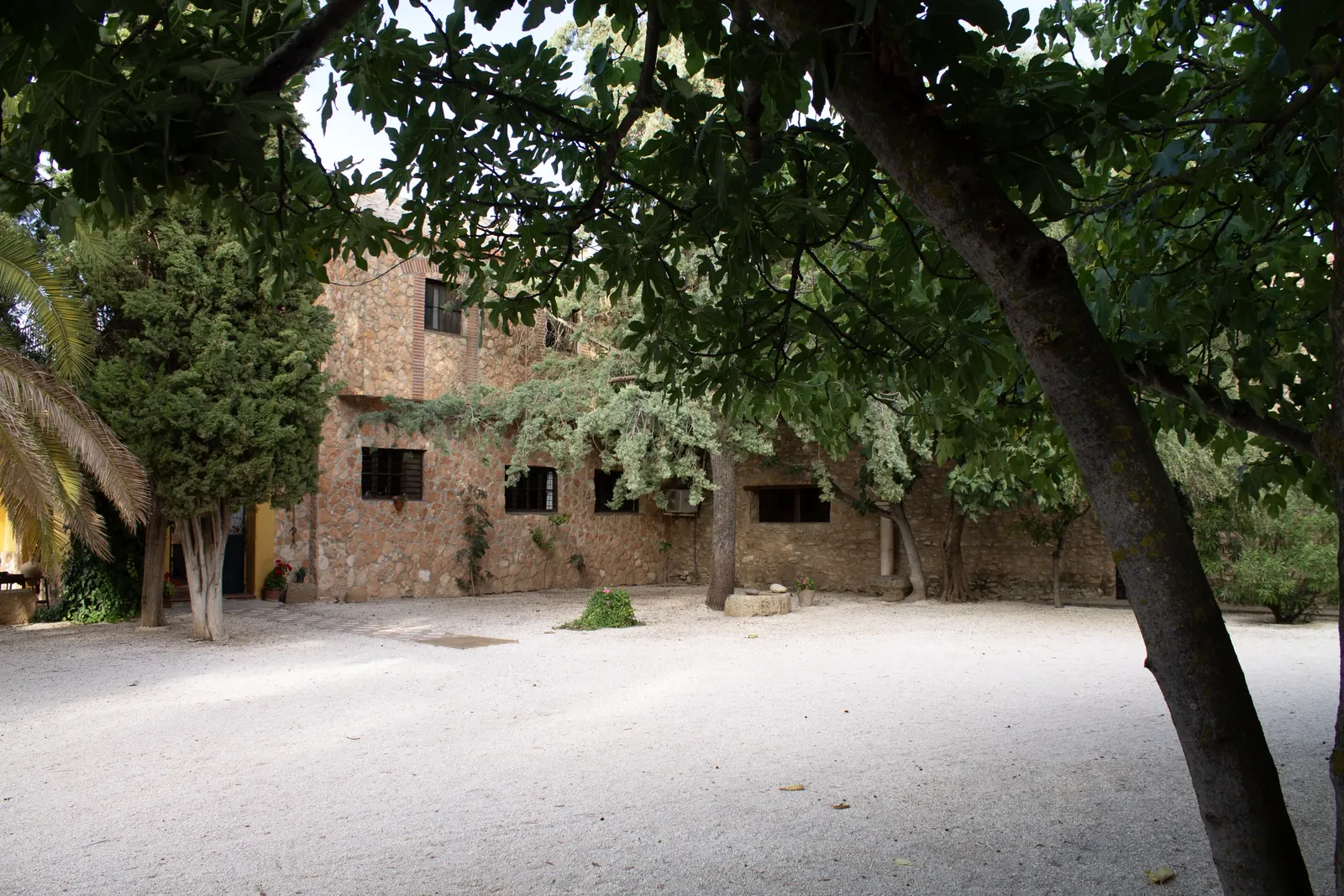
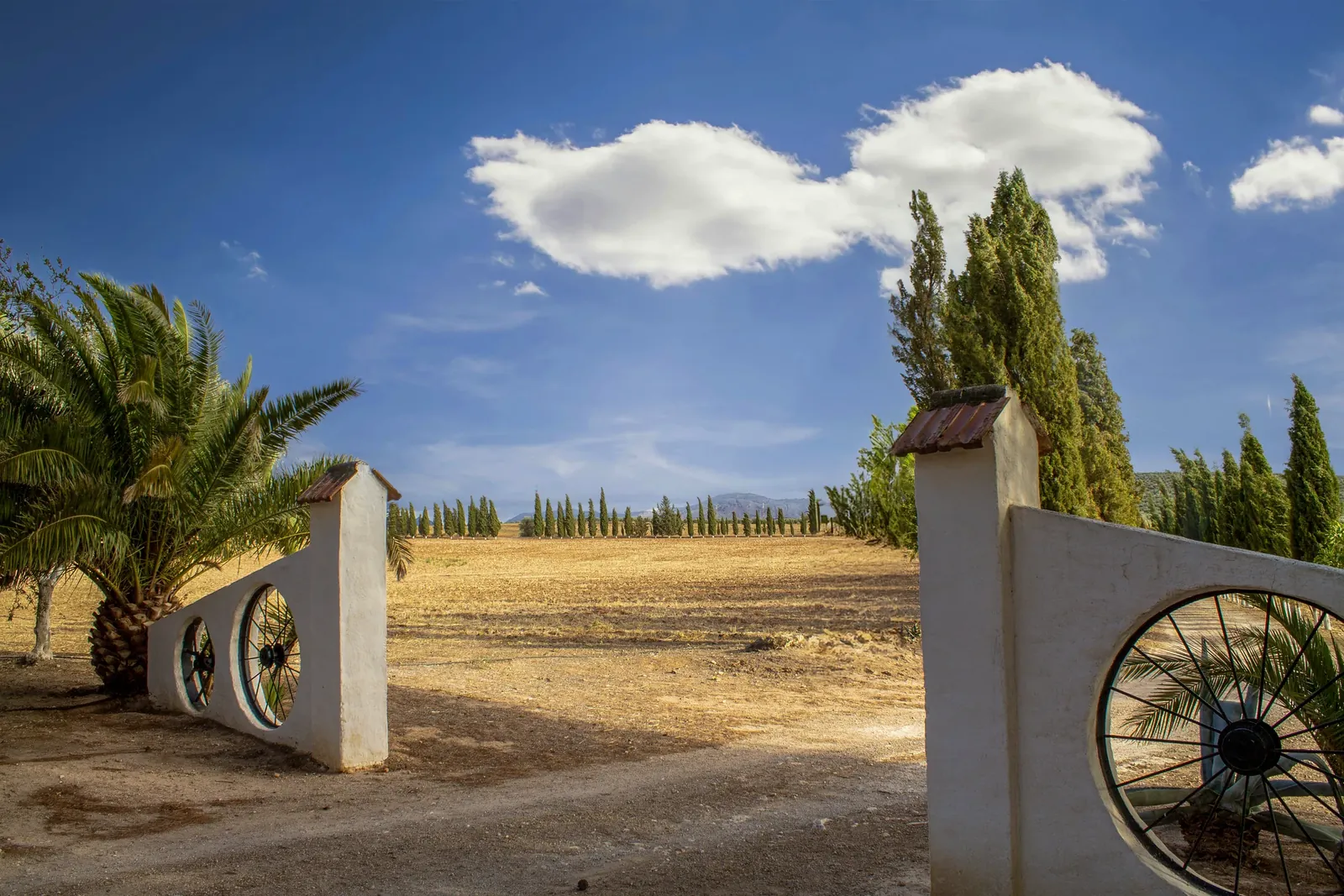
Some people want residential treatment away from the places and routines tied to their addiction, and are willing to travel for it. Sierra Recovery is a registered health centre in Humilladero, Málaga, authorised by the Junta de Andalucía. We treat in English, and our clinical model is adapted from the evidence-based PROMIS model used in the UK since 1986, built around individual and group therapy. Our director is Nerea Encinas Sánchez.
The published price is £9,900 for a 28-day residential treatment programme, with accommodation included. We are a registered health centre, not a hospital or a detox unit: where a medically supervised detox is needed it is completed elsewhere, in an appropriate medical setting, before admission, and qualified nurses are part of the team during your stay. Hospital detox is billed separately. Aftercare planning is part of the programme, and we charge no referral fees.
What is included and the published price · Our regulation and licensing.
Which option is right for you
There is no single right rehab centre or right type of rehab for everyone deciding to seek treatment for drug or alcohol addiction; the honest answer depends on your situation, any mental health issues alongside the drug abuse or alcohol consumption, your physical and mental health more broadly, and how ready you are to start the recovery journey toward long-term recovery. Start with a free Suchtberatungsstelle if you are unsure where to begin, if you are a German resident, or if you want to stay near family and work. Use the statutory route, through your GP and the Deutsche Rentenversicherung or your health insurer, if you are eligible, since it funds strong residential care with only a small co-payment. Consider a private German clinic if you want faster access, more privacy, or amenities beyond the standard route and can meet the fees. Consider treatment abroad only if distance from your home environment would genuinely help, you can travel, and you do not need an immediate hospital detox. Use AA or NA alongside whatever you choose to support staying sober and to reduce the risk of relapse. Whichever of these rehab options and addiction recovery facilities you weigh up, if you would like to talk through your treatment options, you can reach us confidentially through admissions, and we will tell you honestly if a route inside Germany would serve you better.
Sources and verification
- Deutsche Hauptstelle für Suchtfragen (DHS), national addiction-help directory (Suchthilfeverzeichnis)
- suchtberatung.digital, free anonymous online addiction counselling
- Sucht & Drogen Hotline (BZgA), telephone counselling on 01806 313031; BZgA addiction-prevention line 0221 892031
- Anonyme Alkoholiker (AA Germany) · Narcotics Anonymous Germany, free meeting finders
- Deutsche Rentenversicherung and gesund.bund.de, on who funds medical rehabilitation and the patient co-payment
- recovery.com Germany directory, indicative private residential price ranges (not an endorsement)
- Junta de Andalucía register, Sierra Recovery, N.I.C.A. 67331 · Sierra pricing
All figures dated 25 July 2026. Each price and funding rule should be confirmed on the provider’s or authority’s own page before you rely on it.
Questions people ask
How much does rehab cost in Germany?
For most people, very little directly. Residential addiction rehabilitation in Germany is largely funded by the statutory pension insurer, the Deutsche Rentenversicherung, with health insurance covering the hospital detox that comes first. Where treatment is funded this way, the patient co-payment is typically around €10 a day and can be reduced in hardship. Private residential clinics, by contrast, are listed on public directories at roughly €1,200 to €12,000 a week. These are indicative published figures, not quotations.
Is addiction help free in Germany?
Yes, a great deal of it is. Addiction counselling centres (Suchtberatungsstellen) run by public agencies and charities such as Caritas, Diakonie and AWO offer free, confidential counselling in almost every town, anonymously if you wish. There is also a national telephone hotline, free online counselling at suchtberatung.digital, and free AA and NA peer meetings. You can find your nearest counselling centre through the DHS directory.
Who pays for rehab in Germany?
Funding follows an order set in law. Most residential addiction rehabilitation is paid for by the Deutsche Rentenversicherung (the pension insurer), which funds the large majority of these places. Statutory health insurance (Krankenkasse) covers the medically supervised detox that usually comes first, and the local welfare agency can step in where neither applies. Your GP and a counselling centre can help you start the application.
Should I go abroad for rehab instead of staying in Germany?
For most German residents, the funded statutory route or a free counselling centre is the sensible first step, and often it is enough. Treatment abroad is worth considering only if distance from your home environment would genuinely help, you can travel, and you do not need an immediate hospital detox. Sierra Recovery in Spain is one such option, clearly marked, but we will say honestly when a route inside Germany would serve you better.
What is the emergency number in Germany for an overdose or withdrawal crisis?
Call 112 for any life-threatening emergency in Germany, including a suspected overdose or a severe withdrawal reaction such as seizures. For urgent but non-emergency medical help, the on-call medical service is 116 117. Do not stop drinking alcohol or taking benzodiazepines suddenly if you are physically dependent, because sudden withdrawal can be dangerous. Seek medical advice first.
 +
+
Talk to a clinician today
You will speak to our admissions team, English-speaking clinicians who know the programme and the people in it. Callback within 24 hours.
Registered health centre. Authorised by the Junta de Andalucía, N.I.C.A. 67331.
What rehab costs elsewhere
Or read what a stay actually costs, country by country, and what Sierra Recovery charges.