Home / Local guides / Rehab cost in South Korea
Cost of rehab in South Korea
How Much Does Rehab Cost in South Korea?
An honest look at what addiction treatment costs in South Korea, the public and low-cost help to use first, and where a licensed residential programme abroad fits in.
Checked for accuracy on 28 July 2026. Next review due July 2027. This page is general information about our programme and is not a substitute for advice about your own situation.
There is no fixed price for rehab in South Korea, and for many people the first useful step costs nothing at all. Public addiction support through South Korea’s Addiction Management Integrated Support Centres and mental health welfare centres is free or heavily subsidised for residents, and hospital treatment is largely covered by National Health Insurance. Private and English-speaking residential care is a different picture: published directory listings put it in the region of £4,000 to £16,000+ for a month, and genuinely foreigner-focused residential rehab is scarce inside the country. This page sets out the real local options first, then explains, clearly and honestly, where a programme abroad like ours fits in.
If you are physically dependent on alcohol or on benzodiazepines such as diazepam or alprazolam, do not stop suddenly. Abrupt withdrawal from either can cause seizures and, in the worst cases, can be life-threatening. In a medical emergency in South Korea call 119. For mental health crisis support, the Ministry of Health and Welfare crisis line is 1577-0199, and if you do not speak Korean the 24-hour Korea Travel Helpline on 1330 can interpret. Any medically supervised withdrawal should be completed in an appropriate medical setting before a residential programme begins, wherever that programme is.
Before we go further: who we are, and are not
We are not based in South Korea. Sierra Recovery is a residential centre in inland Málaga, Spain. We are not a South Korean clinic, not a directory, and not paid to place you anywhere. We have written this page because a lot of “rehab in South Korea” results are thin listings designed to capture an enquiry, and someone weighing up treatment deserves the plain local picture whether or not they ever contact us. Where a service inside South Korea is the right answer for you, we say so. Sierra appears once, near the end, clearly marked, so you can judge it against the local options rather than instead of them.
The picture in South Korea
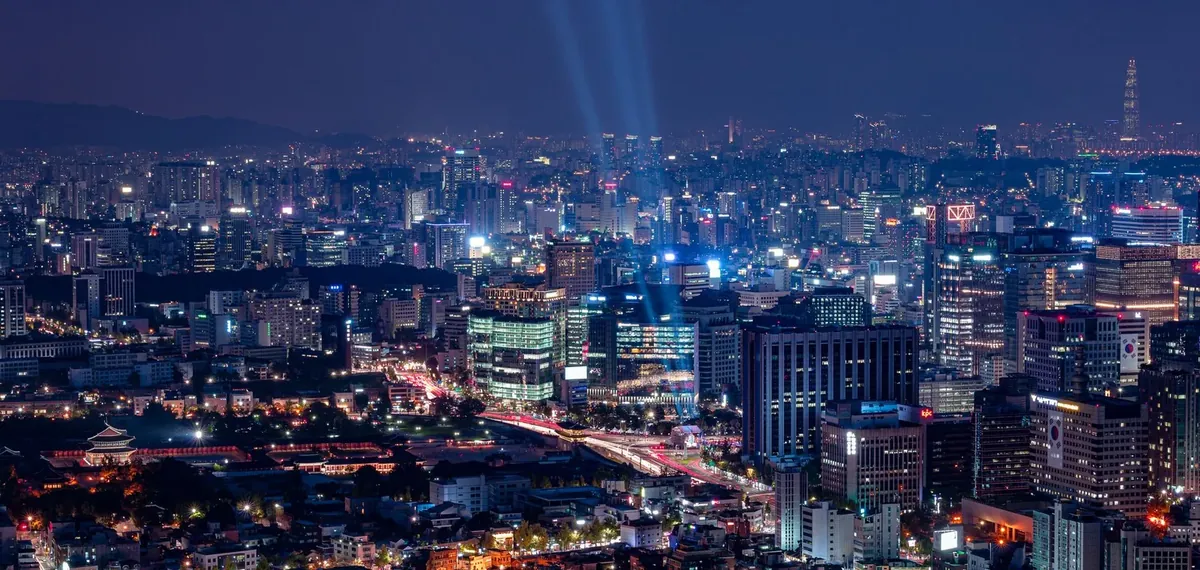
South Korea has a well-developed public health system, and addiction is treated within it rather than as something separate. Alcohol is the dominant concern by a wide margin, with a strong drinking culture and long-standing hospital-based treatment for alcohol dependence. Concern about illicit drugs and about behavioural addictions, particularly internet and gaming, has grown, and the public response has grown with it. Most formal treatment happens in psychiatric departments of general hospitals and in specialist addiction hospitals, and the majority of it is delivered in Korean.
Free and low-cost public options
These are the services to try first. For residents they are free or low-cost, and they are the recognised first step, not a lesser one.
- Addiction Management Integrated Support Centres (중독관리통합지원센터). A national network of community centres funded by the Ministry of Health and Welfare, offering free counselling, assessment and case management for alcohol, drug, gambling and internet addiction. Your district office or public health centre can point you to your nearest one.
- Mental health welfare centres (정신건강복지센터). Regional public centres offering counselling, crisis support and referral for mental health and dual-diagnosis needs, including where addiction sits alongside depression, anxiety or trauma.
- Mental Health Crisis Helpline, 1577-0199. The Ministry of Health and Welfare’s round-the-clock counselling and crisis line, with referral into local services.
- Korea Association Against Drug Abuse. A long-standing, government-supported body running drug prevention, counselling and rehabilitation support and a national helpline. Its services and contact details are published at drugfree.or.kr.
- National Health Insurance. Psychiatric assessment, inpatient treatment for alcohol and drug dependence, and medically supervised detox in a hospital are largely covered by National Health Insurance for eligible residents, which keeps the cost of clinically necessary treatment low.
- Mutual-aid groups. Alcoholics Anonymous and Narcotics Anonymous both run meetings in South Korea, free to attend, including some English-language meetings in Seoul. Alcoholics Anonymous Korea publishes its schedule online.
- Korea Travel Helpline, 1330. Not an addiction service, but a genuinely useful 24-hour line with live interpretation if you do not speak Korean and need help finding and reaching any of the above.
The honest private reality
Here is the part the listings tend to skip. South Korea does have respected specialist hospitals for alcohol dependence and private psychiatric clinics, and some large university and general hospitals run international clinics with English-speaking staff. What it does not have, in any real number, is Western-style private residential rehab built around long-stay, English-speaking care of the kind UK, Irish, Australian and other international clients often picture. Most residential treatment is hospital-based and delivered in Korean, and English-speaking private care tends to be outpatient, comes at a premium and is not covered by insurance. If you are a non-Korean speaker looking specifically for an immersive residential programme in your own language, you will find the choice inside the country limited, which is one honest reason people look further afield.
What it costs: indicative ranges
Treat the figures below as indicative ranges drawn from published directories, not quotes. Real cost depends on your insurance status, whether care is public or private, whether detox is medically needed, and the length of stay.
- Public and insurance-covered hospital treatment: for eligible residents, National Health Insurance covers much of the cost of psychiatric and addiction inpatient care, so out-of-pocket cost for clinically necessary treatment can be modest by international standards.
- Private residential or wellness-style programmes: published listings put these in the region of £4,000 to £16,000+ for around a month, varying widely by facility and level of comfort.
- Private outpatient therapy: individual sessions in Seoul are commonly listed at roughly £60 to £120 a session, and English-speaking therapy typically sits at the higher end and is generally not covered by insurance.
Two honest caveats. First, eligibility for insurance-covered care depends on your residency and enrolment status, so a short-term visitor and a long-term resident face very different bills for the same treatment. Second, a low headline price for outpatient work is not the same thing as residential rehab; compare like with like before you compare countries.
Considering treatment abroad?
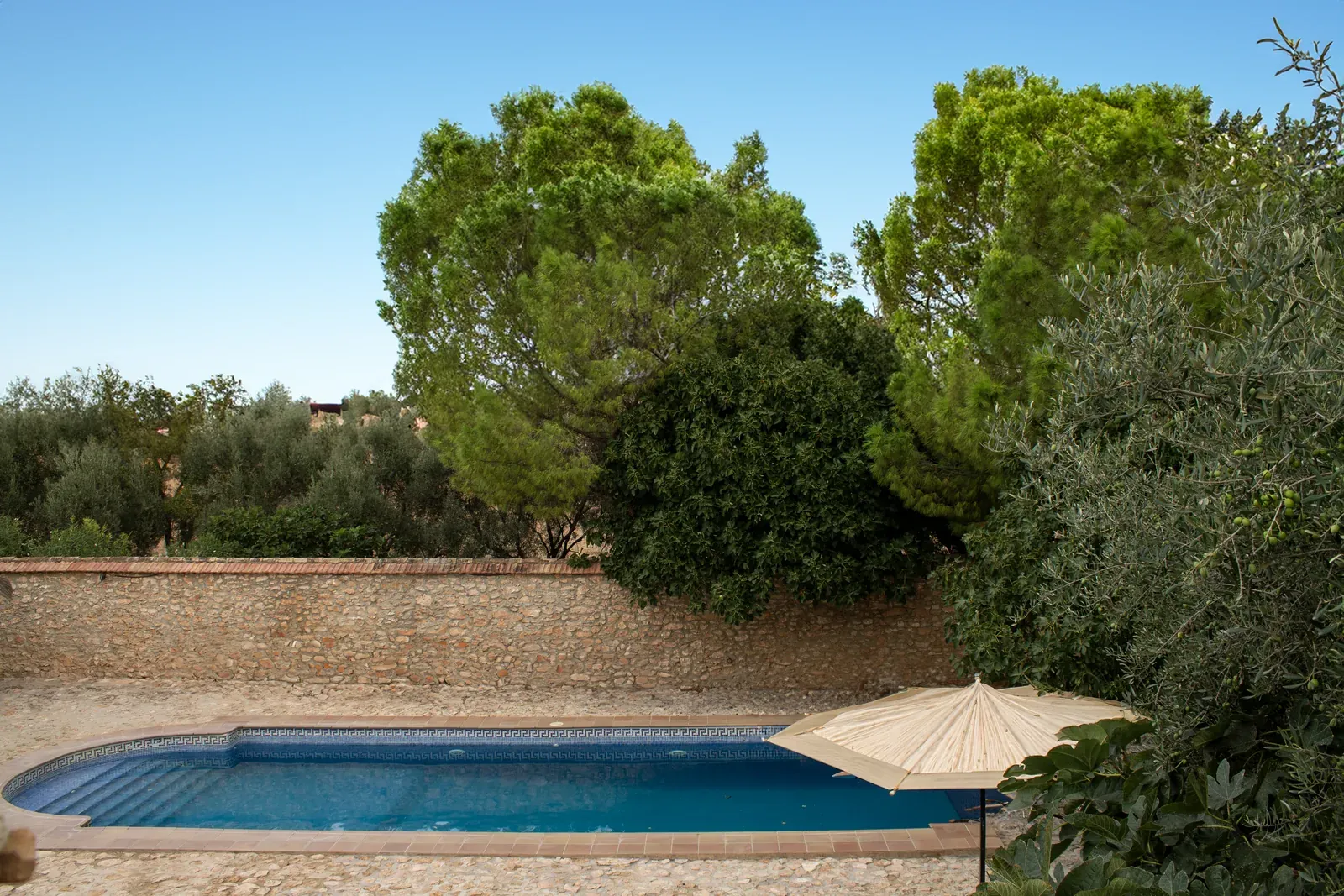
This is the one section about us, and it comes after the local picture on purpose. If the free and public routes above suit you, use them. Some people, though, want a residential programme in English, away from the environment tied to their drinking or using, and cannot find that easily inside South Korea. That is the gap a centre like ours is built for, and here are the plain facts so you can weigh it honestly.
Sierra Recovery is a registered health centre in Humilladero, Málaga, Spain, licensed by the Junta de Andalucía (NICA 67331). We are not a hospital and not a detox unit: where a medically supervised detox is needed, it is completed elsewhere before admission, and qualified nurses are part of the team during your stay. Our residential programme is £9,900 for 28 days, published in full, with any hospital detox arranged and billed separately rather than hidden inside a headline figure. The clinical work follows the Regulation Model used by PROMIS Clinics in the UK, who have treated addiction since 1986, and it is directed by Nerea Encinas Sánchez. We take direct admissions only and pay no referral fees, so no broker or helpline is quietly paid to send you our way. You can see exactly what the fee includes on our pricing page, and check what our licence does and does not cover, with links to verify it yourself, on regulation and licensing.
One thing we will not do is pretend distance is nothing. A programme in Spain means flights, time zones and being away from home, and for someone with young children, a job they cannot leave, or a clinical need for a hospital close by, that distance is a real cost rather than a benefit. For others, the space between themselves and the places tied to the habit is part of what makes early recovery possible. Only you can judge which of those describes you.
Which option is right for you
Start with the free step. If you are in South Korea, a call to the Mental Health Crisis Helpline on 1577-0199, a visit to your nearest Addiction Management Integrated Support Centre, or a first meeting of AA or NA costs nothing and is the right beginning for many people. If you need medically complex inpatient detox, a hospital-based route inside South Korea, with insurance cover, is likely both safer and cheaper than travelling. If your main barrier is language, ask a general or university hospital about its international clinic, or use the 1330 line to find English-speaking help.
A residential programme abroad makes sense in a narrower set of cases: when you specifically want immersive, English-speaking residential care that is hard to find locally, when real distance from your usual environment would help rather than hinder, and when detox, if needed, can be completed safely before you travel. Where that describes you, the next steps are the published cost on our pricing page and a confidential conversation through admissions, where we will tell you plainly if we think a local route would serve you better.
Sources & verification
Public and free services named on this page, for you to check directly. Every service named here is an official or free one.
- Korea Association Against Drug Abuse – drugfree.or.kr (drug prevention, counselling and rehabilitation support).
- National Health Insurance Service – nhis.or.kr/english (coverage for psychiatric and addiction treatment).
- Alcoholics Anonymous Korea – aakorea.org (free meetings, including some in English).
- The Korea Times, “Where to go for mental health services if you can’t speak Korean” – koreatimes.co.kr (crisis line 1577-0199 and English-language options).
- Find a Helpline – South Korea – findahelpline.com/countries/kr (verified crisis and substance-use helplines).
- U.S. Embassy in the Republic of Korea, medical assistance – kr.usembassy.gov (emergency number 119 and hospital guidance).
Cost figures are indicative ranges compiled from published treatment directories and are not quotes. Verify any price with the provider before deciding.
Questions people ask
How much does rehab cost in South Korea?
There is no single price. For eligible residents, psychiatric and addiction treatment in hospital is largely covered by National Health Insurance, so out-of-pocket cost for clinically necessary care can be modest. Private residential or wellness-style programmes are listed in the region of £4,000 to £16,000+ for around a month, and private English-speaking outpatient therapy commonly runs at roughly £60 to £120 a session and is generally not insured. These are indicative directory ranges, not quotes.
Is there free addiction help in South Korea?
Yes. The Addiction Management Integrated Support Centres and mental health welfare centres offer free or low-cost counselling and assessment for residents, funded by the Ministry of Health and Welfare. The Mental Health Crisis Helpline on 1577-0199 runs around the clock, the Korea Association Against Drug Abuse provides drug counselling and support, and Alcoholics Anonymous and Narcotics Anonymous meetings, including some in English, are free to attend. For many people these are the right first step and cost nothing.
Can English speakers find residential rehab in South Korea?
It is limited. South Korea has respected addiction hospitals and private psychiatric clinics, and some large hospitals run international clinics with English-speaking staff, but most residential treatment is hospital-based and delivered in Korean. Western-style long-stay residential rehab in English is scarce, and English-speaking private care tends to be outpatient, at a premium, and not insured. If you need Korean-language hospital care the local system is strong; if you specifically want immersive English-speaking residential care, choice inside the country is narrow.
Is it safe to stop drinking or taking benzodiazepines on my own?
No. If you are physically dependent on alcohol or on benzodiazepines such as diazepam or alprazolam, stopping suddenly can cause seizures and can be life-threatening. Any withdrawal should be medically supervised. In a medical emergency in South Korea call 119, and for mental health crisis support call 1577-0199. If you do not speak Korean, the 24-hour Korea Travel Helpline on 1330 can interpret and help you reach the right service.
Why would someone in South Korea consider rehab abroad?
Usually for one of two reasons: they want an immersive residential programme in English, which is hard to find inside the country, or they want real distance from the environment tied to their drinking or using. Sierra Recovery is a registered residential centre in Málaga, Spain (Junta de Andalucía NICA 67331), running a published 28-day programme at £9,900, with any hospital detox completed before admission and billed separately. It is not right for everyone, and for medically complex detox or Korean-language care a local hospital route is often the better and cheaper choice.
 +
+
Talk to a clinician today
You will speak to our admissions team, English-speaking clinicians who know the programme and the people in it. Callback within 24 hours.
Registered health centre. Authorised by the Junta de Andalucía, N.I.C.A. 67331.
What rehab costs elsewhere
Or read what a stay actually costs, country by country, and what Sierra Recovery charges.